

Opening Hours Mon - Fri: 8:00 AM - 3:00 PMSat - Sun: Closed
New Orleans’ Trusted Renovation Experts — Transform Your
Home with Confidence- Get Your Free Estimate
Opening Hours Mon - Fri: 8:00 AM - 3:00 PMSat - Sun: Closed

Talk to an Expert504-294-8616
Opening Hours Mon - Fri: 8:00 AM - 3:00 PMSat - Sun: Closed

Quick Summary
For most Greater New Orleans homeowners, composite decking outlasts pressure-treated pine by a decade or more in IECC Climate Zone 2A, where Formosan subterranean termites, subtropical humidity, and Gulf Coast UV exposure all shorten wood’s lifespan faster than national averages. Pressure-treated pine decks typically survive 10 to 15 years with regular sealing, while quality composite products from Trex, TimberTech, and Fiberon carry 25-to-30-year warranties and resist Formosan termite damage. Ipe tropical hardwood offers 40-to-75-year lifespan at higher cost with annual oiling required. Big Easy Renovations builds outdoor decks across Greater New Orleans and surrounding parishes, including permit coordination and HDLC review for historic district properties.
Last Updated: June 2026
Composite decking outlasts pressure-treated pine in New Orleans by a wide margin, and the reason starts with what the local climate does to wood between seasons. Greater New Orleans sits in IECC Climate Zone 2A, a hot-humid zone that combines temperatures exceeding 90 degrees through five months of the year, more than 60 inches of annual rainfall, and the highest Formosan subterranean termite concentration of any metro in the United States. Big Easy Renovations, licensed by the Louisiana State Licensing Board for Contractors (LSLBC) under Residential Contractor License #890459, builds outdoor decks and covered structures across Orleans, Jefferson, and St. Tammany parishes, and the decking material choice shapes performance and maintenance costs for the next two to three decades.
The decision between composite and wood is not mainly aesthetic. It determines how much time and money a homeowner spends maintaining the structure through hurricane seasons, wet springs, and summers that push surface temperatures to extremes. Big Easy Renovations handles the full scope of outdoor construction, from deck framing and board installation to pergola covers and screened enclosures, so a material choice fits within a larger outdoor living plan rather than standing as an isolated decision.
Three material categories dominate the New Orleans deck market: pressure-treated pine, composite decking, and tropical hardwoods like ipe. Each performs differently in Zone 2A conditions, demands a different maintenance rhythm, and produces a different cost curve when you project expenses over 15 to 25 years. Homeowners who build outdoor deck and patio structures in the New Orleans area do better running those numbers before choosing a material rather than after the first refinishing season.
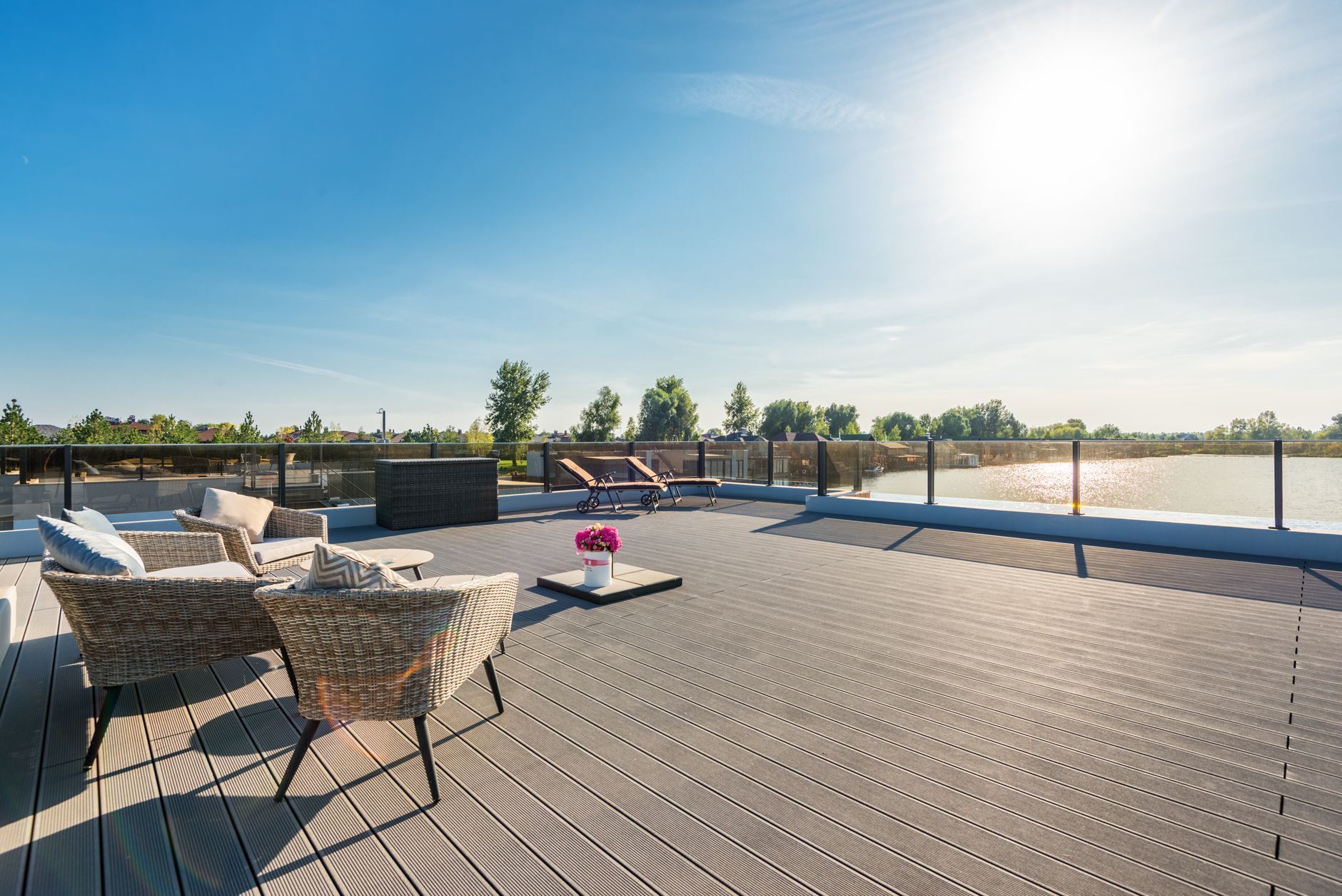
Composite decking is the longest-lasting low-maintenance option for most Greater New Orleans properties. Quality products carry 25-to-30-year warranties and resist moisture absorption, warping, and Formosan termite damage without annual sealing or staining. Pressure-treated pine in a humid New Orleans backyard can struggle to reach 12 to 15 years without consistent refinishing. Ipe hardwood can last 40 to 75 years in Gulf Coast conditions but requires annual oiling and significantly higher upfront investment.
Pressure-treated southern yellow pine is the least expensive material at the point of purchase and remains the most widely installed deck board in this region. A pressure-treated pine deck in a humid, shaded New Orleans backyard may not reach the 12-year mark without refinishing every two to three years. The wet-dry cycle from each rainy season accelerates checking and splitting in exposed boards, and UV exposure bleaches and dries the surface between treatment cycles.
Ipe, a tropical hardwood from South America, holds a natural resistance to rot and Formosan termite damage that no treated softwood can match. Its dense cellular structure maintains dimensional stability in high-humidity environments, and contractors who install ipe in Metairie and the Garden District cite its low warping rate as a specific advantage in Zone 2A conditions. The tradeoff is cost: ipe runs $45 to $75 per square foot installed in the Greater New Orleans market, and every fastener location requires pre-drilling because the wood is too dense for standard screws.
Composite decking sits between those two options in price and holds a clear advantage in low-maintenance performance. It does not absorb moisture, it does not split or cup under humidity cycling, and it contains no cellulose to attract Formosan colonies. Brands like Trex, TimberTech, and Fiberon manufacture composite boards with 25-to-30-year warranties against fading, staining, and structural degradation. Maintenance amounts to periodic soap-and-water cleaning rather than annual staining, sanding, or board replacement.
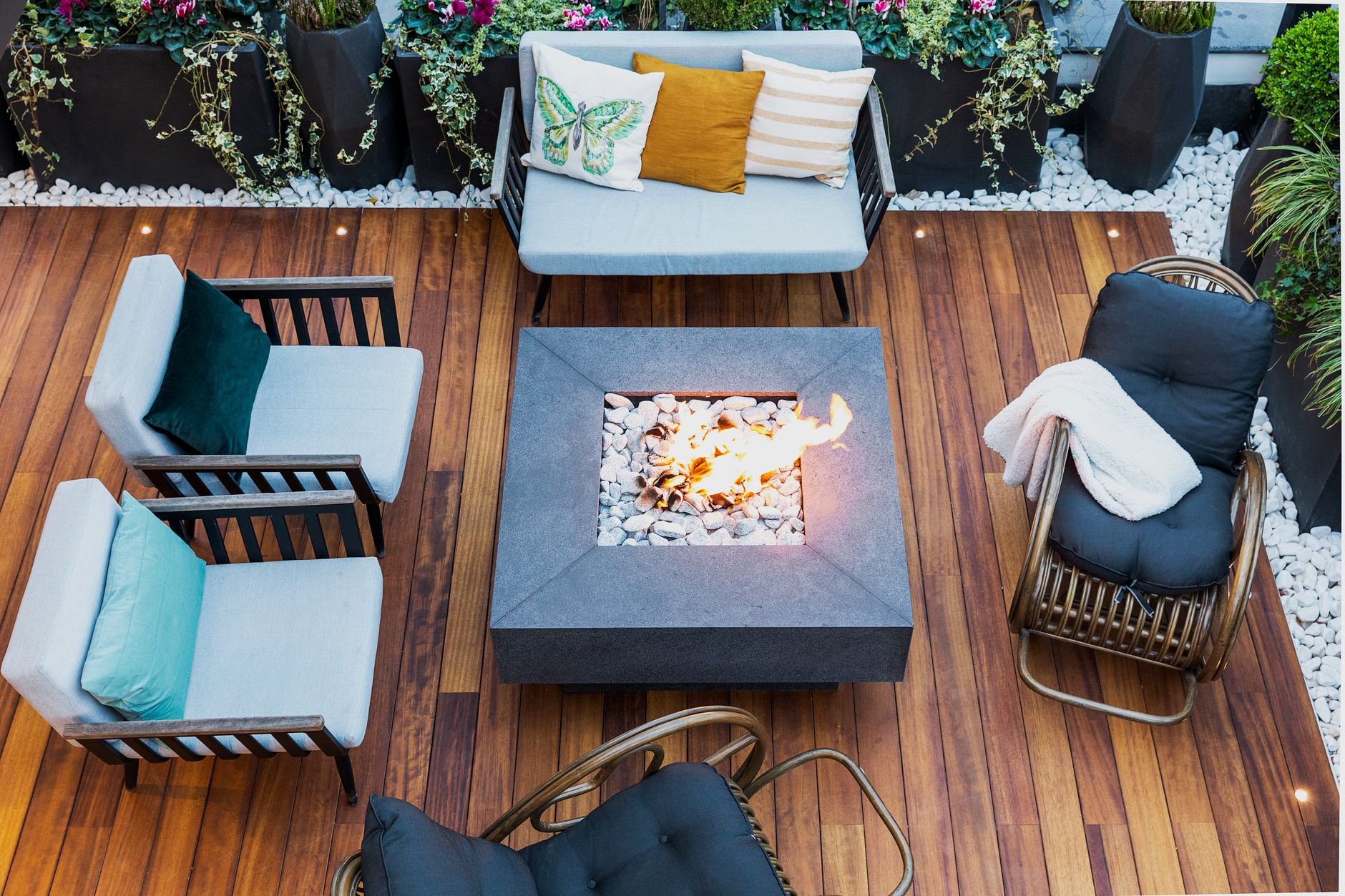
Formosan subterranean termites (Coptotermes formosanus Shiraki) are the most destructive structural pest in Greater New Orleans and a primary factor in how quickly wood decks deteriorate in this market. Residents and businesses in the area spend an estimated $300 million annually on Formosan termite control and damage repair, according to the LSU AgCenter. Composite decking contains no cellulose, which removes it entirely as a Formosan food source.
USDA Forest Service research on pressure-treated wood exposed at Louisiana field sites found that Formosan subterranean termites attacked specimens even at chemical treatment concentrations that normally deter native subterranean termites (Reticulitermes spp.). That distinction matters for deck framing as much as for surface boards. Big Easy Renovations specifies ground-contact-rated treated lumber for framing members near grade and recommends annual substructure inspections regardless of the decking material on top.
Composite decking costs more upfront than pressure-treated pine, but lower annual maintenance costs and a longer lifespan close that gap over a 10-to-15-year horizon in Louisiana’s climate. A wood deck requiring staining every two years and board replacement after termite or rot damage can exceed composite total costs well before the structure reaches the end of its usable life.
| Material | Installed Cost (per sq ft) | Annual Maintenance | Expected Lifespan (Zone 2A) |
|---|---|---|---|
| Pressure-treated pine | $15 to $25 | Stain and seal every 2 to 3 years; board replacement possible after year 8 | 10 to 15 years |
| Composite (mid-grade) | $30 to $50 | Periodic cleaning; no staining or sealing required | 25 to 30 years |
| Ipe hardwood | $45 to $75 | Annual oiling to retain color; natural silver patina develops if left untreated | 40 to 75 years |
These ranges reflect Greater New Orleans contractor pricing, not manufacturer retail. Actual project cost depends on deck size, height above grade, substructure complexity, and any design review for properties in HDLC-regulated historic districts. Homeowners planning a kitchen renovation alongside an outdoor deck project can often coordinate both on the same scheduling window to reduce disruption.
Standard composite decking in full sun can reach surface temperatures 34 to 76 degrees Fahrenheit above the surrounding air temperature. On a 95-degree New Orleans afternoon in July or August, that puts certain composite surfaces past 165 degrees, hot enough to be uncomfortable barefoot. Lighter-colored boards absorb significantly less heat than dark boards from the same product line. Heat-reducing technologies like Trex SunComfortable and MoistureShield CoolDeck cut heat absorption by up to 35 percent compared to standard composite boards.
Adding a pergola, shade sail, or covered structure over a full-sun deck reduces surface temperature and extends the usable space through summer. Homeowners who want to incorporate an outdoor kitchen into the deck design often find that a covered roof structure solves both heat and rain exposure in a single step. Pressure-treated wood also heats in direct summer sun, so this is not a clear performance advantage for wood over composite.
The Orleans Parish Building Department requires a building permit for most residential deck construction under the 2021 International Residential Code (IRC) as adopted in Louisiana. A deck qualifies for an exemption only when it meets all four conditions simultaneously: it covers no more than 200 square feet, sits no more than 30 inches above grade, is not attached to the dwelling, and does not serve a required exit door. Most attached residential decks exceed at least one threshold and require a permit before work starts.
Homeowners in HDLC districts also considering ironwork or gate additions around the property can often coordinate both the deck permit and gate COA review in a single project submission. The nola.gov building permit guide lists current fee schedules and submission requirements for Orleans Parish.
How long does a composite deck last in New Orleans?
Quality composite decking from brands like Trex, TimberTech, or Fiberon carries a 25-to-30-year warranty against fading, staining, and structural degradation. In Greater New Orleans, where Formosan termite pressure and IECC Climate Zone 2A humidity shorten pressure-treated pine’s lifespan significantly, composite decking outperforms wood by a decade or more without requiring annual staining or sealing.
Are Formosan termites a real risk for wood decks in New Orleans?
Yes. Greater New Orleans residents and businesses spend an estimated $300 million annually on Formosan termite control and damage repair, per the LSU AgCenter. USDA Forest Service research found that Formosan subterranean termites attack pressure-treated lumber in Louisiana even at concentrations that deter native species. Composite decking eliminates termite risk at the board level because it contains no wood cellulose.
Do I need a permit to build a deck in New Orleans?
The Orleans Parish Building Department requires a building permit for most deck construction under the 2021 IRC as adopted in Louisiana. An exemption applies only to decks under 200 square feet, not more than 30 inches above grade, not attached to the dwelling, and not serving a required exit. Unpermitted work carries a 200 percent penalty on top of standard permit fees regardless of whether the work passes inspection afterward.
Does composite decking get too hot to use in a New Orleans summer?
Standard composite boards in direct sun can reach 34 to 76 degrees Fahrenheit above ambient temperature, creating uncomfortable conditions on hot Louisiana afternoons. Lighter-colored composite products and heat-resistant lines like Trex SunComfortable and MoistureShield CoolDeck reduce heat buildup by up to 35 percent. A pergola or covered roof structure over the deck area is the most effective way to keep surface temperatures manageable through summer.
Does Big Easy Renovations build decks in New Orleans and surrounding parishes?
Big Easy Renovations builds outdoor decks, covered structures, and outdoor living areas across Greater New Orleans, Metairie, Kenner, Gretna, Mandeville, Covington, and surrounding parishes. The company holds LSLBC Residential Contractor License #890459 and Commercial Contractor License #3667, and handles permit coordination with the Orleans Parish Building Department and HDLC review for historic district properties.
Ready to build? Call Big Easy Renovations at (504) 294-8616 to discuss material options, permit requirements, and project timeline across Greater New Orleans and surrounding parishes. Schedule a site visit through the project consultation page or call to get started.
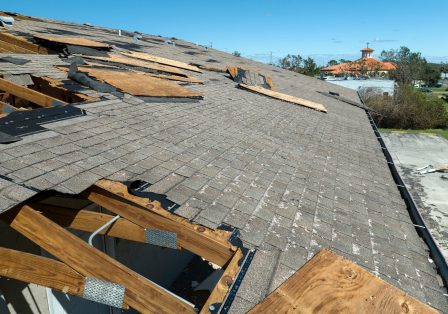
After hurricane roof damage in New Orleans, your first priorities are personal safety, preventing further water intrusion, and documenting everything before you touch it. Tarp exposed areas, photog...
A FORTIFIED roof in Louisiana costs $4.40-$6.90 per square foot, or roughly $8,800-$13,800 for a 2,000 sq ft home, only 10-15% more than a standard replacement. The Louisiana Fortify Homes Program ...
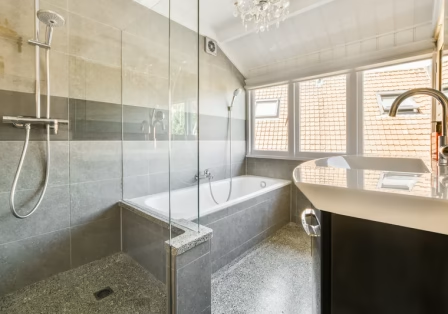
A bathroom renovation in New Orleans costs $2,500 to $50,000 or more in 2026 depending on scope, materials, and whether the project involves plumbing relocation. Big EZ Renovations handles bathroom...
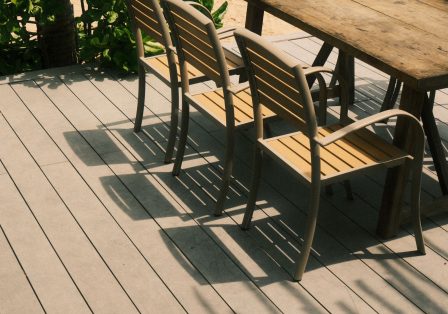
Quick Summary Composite decking outlasts pressure-treated wood by 10 to 15 years in Greater New Orleans because IECC Climate Zone 2A's sustained humidity, summer heat, and tropical rainfall accele...
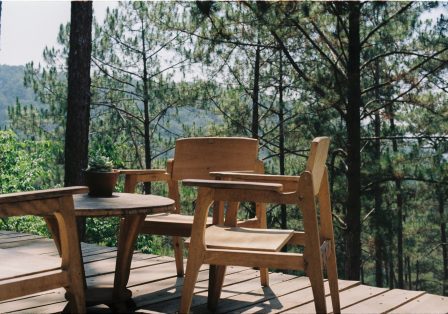
What You Need to Know Composite decking outlasts pressure-treated wood by 15 to 35 years in New Orleans' hot-humid subtropical climate, and it does so without the annual sealing, staining, or rot ...
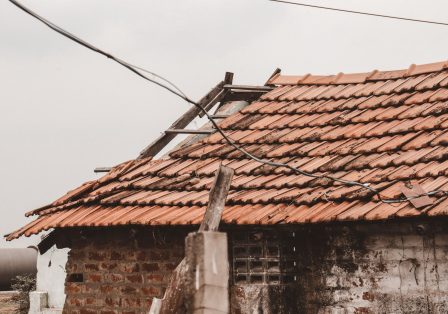
What You Need to Know Big Easy Renovations is an LSLBC-licensed roofing contractor (Residential License #890459, Commercial License #3667) serving Orleans Parish, Jefferson Parish, and St. Ta...
 By BigEZRenovations
  0 Comment
  Jun 30, 2026
  By
BigEZRenovations
By
BigEZRenovations  0 Comments