

Opening Hours Mon - Fri: 8:00 AM - 3:00 PMSat - Sun: Closed
New Orleans’ Trusted Renovation Experts — Transform Your
Home with Confidence- Get Your Free Estimate
Opening Hours Mon - Fri: 8:00 AM - 3:00 PMSat - Sun: Closed

Talk to an Expert504-294-8616
Opening Hours Mon - Fri: 8:00 AM - 3:00 PMSat - Sun: Closed

Quick Summary
Composite decking outlasts pressure-treated wood by 10 to 15 years in Greater New Orleans because IECC Climate Zone 2A’s sustained humidity, summer heat, and tropical rainfall accelerate wood rot and Formosan subterranean termite damage faster than in most U.S. markets. Capped composite and PVC decking products require no annual sealing or staining and contain no cellulose, making them a poor food source for Formosan colonies that the LSU AgCenter identifies as the most destructive termite species in North America. Big Easy Renovations builds outdoor decks across New Orleans, Metairie, Kenner, and the surrounding parishes, and handles Orleans Parish Building Department permits and Historic District Landmarks Commission Certificate of Appropriateness reviews where required.
Last Updated: June 2026
Composite decking is the more practical long-term choice for most New Orleans homeowners, and the performance gap between the two materials is wider here than in most of the country. Outdoor decks across Greater New Orleans face a climate combination that pressure-treated pine and cedar handle poorly without constant maintenance: sustained humidity above 70 percent, summer temperatures routinely above 90 degrees Fahrenheit, and Formosan subterranean termite pressure that does not exist at this intensity anywhere else in the continental United States. Big Easy Renovations installs both materials across Orleans Parish, Jefferson Parish, and the North Shore, and the choice typically comes down to budget, maintenance tolerance, and how long the homeowner plans to stay.
Residential Contractor License #890459 and Commercial Contractor License #3667, both issued by the Louisiana State Licensing Board for Contractors (LSLBC), cover the full scope of outdoor deck construction across the company’s renovation work in the Greater New Orleans metro, from material selection through permitting and installation.
Capped composite and PVC decking outlast pressure-treated wood by a significant margin in New Orleans. Composite products typically last 25 to 30 years in Zone 2A conditions with minimal upkeep. Pressure-treated wood lasts 10 to 15 years when homeowners seal and stain it every year, and considerably less if that maintenance schedule slips even one or two seasons.
IECC Climate Zone 2A designates Greater New Orleans as a hot-humid region, which governs both building envelope requirements and material performance expectations for outdoor structures. Wood absorbs moisture during the wet season, expands and contracts with temperature swings, and develops surface mold and mildew when it stays damp for extended periods. Repeated cycles of saturation and drying break down wood fibers from the inside.
Capped composite decking surrounds a wood-plastic core on all four sides with a protective polymer shell that blocks moisture intrusion. Products like TimberTech AZEK use a full PVC construction that eliminates the wood core entirely and provide the best moisture resistance available for Zone 2A conditions. Surface temperatures on dark composite boards can reach 140 degrees Fahrenheit in direct summer sun, which matters in a city where uncovered decks face full afternoon exposure through July and August. Lighter-colored capped composite boards and full-PVC products stay 20 to 30 degrees cooler than standard dark composites under the same conditions.
Ipe hardwood occupies a separate category from pressure-treated pine. Its extreme fiber density resists moisture and salt air along the Gulf Coast, and ipe decks last 40 to 50 years with periodic oiling rather than annual sealing. The material cost runs higher per square foot and requires specialized fasteners, but it remains the strongest natural wood option for Zone 2A conditions. Homeowners researching Zone 2A exterior material performance often find the same humidity-resistance logic applies when evaluating siding materials for New Orleans homes — climate conditions affect every surface on the building envelope.
New Orleans has the worst Formosan subterranean termite infestation in the continental United States, according to the LSU AgCenter and the USDA Agricultural Research Service. Formosan colonies can contain several million members and consume wood at roughly ten times the rate of native subterranean termite species. A moderately infested wood deck can sustain severe structural damage within three to six months of initial colony contact.
Pressure-treated pine uses copper azole (CA) or alkaline copper quaternary (ACQ) preservatives that deter but do not eliminate Formosan activity. Treatment concentrates at the surface, and any cut made on site exposes untreated interior wood. Composite boards contain no cellulose, so Formosan colonies will not infest them directly. Wood framing beneath a composite deck surface remains at risk if those members use inadequately rated lumber.
The practical implication for Greater New Orleans homeowners is that even a composite-surfaced deck requires a properly treated substructure. Ground-contact framing should use pressure-treated lumber rated UC4B or UC4C, or steel framing where budget allows. The LSU AgCenter’s integrated pest management research on termites recommends combining treated framing, physical barriers, and professional termite monitoring around any wood-contact structure in Zone 2A.
Pressure-treated wood costs less upfront, but composite decking typically costs less over a 15-year period once annual maintenance expenses are included. The gap in total cost narrows considerably once sealing, staining, and the earlier replacement cycle for wood in Zone 2A are factored in.
| Cost Factor | Pressure-Treated Wood | Capped Composite / PVC |
|---|---|---|
| Installed cost (per sq. ft.) | $8 to $14 | $18 to $32 |
| Annual maintenance | $200 to $600 (sealing/staining) | Minimal (soap and water) |
| Expected lifespan in Zone 2A | 10 to 15 years | 25 to 30+ years |
| Termite damage risk | High without active monitoring | Low (boards); moderate (substructure) |
A 300-square-foot pressure-treated deck runs approximately $3,300 to $6,000 installed in the New Orleans metro. A comparable composite deck runs $5,400 to $9,600. Over 15 years, cumulative wood deck sealing and repair costs add another $3,000 to $6,000, and the deck will likely need full replacement by then. The composite deck remains serviceable. Homeowners staying longer than seven years generally recover the composite premium through lower maintenance costs and avoided replacement.
Yes. The Orleans Parish Building Department requires a building permit for any deck exceeding 200 square feet in area or rising more than 30 inches above grade. The permit fee starts at $60 plus $5 per $1,000 of construction value. Unpermitted work triggers a penalty equal to 200 percent of all standard permit fees when discovered, which adds up quickly on a project valued at $10,000 or more.
Properties in New Orleans historic districts face an additional review layer. The Historic District Landmarks Commission (HDLC) governs exterior alterations including deck construction on properties in the Marigny, Treme, Bywater, Garden District, Mid-City, Lakeview, Holy Cross, and more than a dozen additional Orleans Parish historic districts. Rear-yard decks that are not visible from the public right-of-way receive more permissive treatment, but a Certificate of Appropriateness from the Historic District Landmarks Commission is a separate requirement from the building permit, and both must be approved before any work begins. The HDLC review adds 30 to 90 days to the permitting timeline in most cases.
French Quarter properties fall under the Vieux Carré Commission (VCC) rather than the HDLC, and VCC review has its own design compatibility standards. Jefferson Parish homeowners use Jefferson Parish Inspection and Code Enforcement, and North Shore homeowners go through St. Tammany Parish Permits and Inspections. Permit coordination across all jurisdictions is included in every outdoor deck build.
Homeowners who pair a deck with an outdoor kitchen built for Louisiana’s heat and humidity typically match composite or ipe decking to the kitchen surround materials for visual continuity and compatible maintenance schedules. Running pressure-treated wood decking alongside a low-maintenance composite kitchen surround creates mismatched upkeep requirements in the same outdoor space, which becomes noticeable within a few seasons.
Wrought iron railing and gate connections are common at New Orleans deck perimeters, and those ironwork installations on historic New Orleans properties carry their own HDLC design review when the property sits in a regulated district. Integrating the deck and ironwork permit applications can shorten the combined approval timeline when both trades are handled under the same contractor license.
How long does composite decking last in New Orleans?
Capped composite and PVC decking last 25 to 30 years or longer in Greater New Orleans when installed with a properly treated substructure. IECC Climate Zone 2A’s sustained humidity and summer heat accelerate degradation in uncapped composites and pressure-treated wood, so cap quality and installation method matter as much as brand name.
Is wood decking a good choice for New Orleans homes?
Pressure-treated pine works structurally in New Orleans but requires annual sealing and staining to withstand Zone 2A humidity and Formosan subterranean termite pressure. Ipe hardwood performs significantly better in humid conditions and can last 40 to 50 years with periodic oiling, making it the strongest natural wood option for the Greater New Orleans climate.
Does Big Easy Renovations handle deck permits in New Orleans?
Big Easy Renovations manages the complete permit process for outdoor deck builds across Orleans Parish, Jefferson Parish, and the North Shore, including Historic District Landmarks Commission Certificate of Appropriateness review for properties in HDLC-regulated New Orleans districts. Both the Orleans Parish Building Department permit and any required HDLC approval must be obtained before construction begins.
What composite decking works best in New Orleans’ summer heat?
Fully capped composite and full-PVC decking perform best in New Orleans because they block moisture intrusion on all four surfaces. Lighter board colors reduce deck surface temperatures by 20 to 30 degrees compared to dark boards that can reach 140 degrees in direct summer sun. TimberTech AZEK PVC-core products eliminate the wood component entirely, providing maximum moisture resistance in Zone 2A.
Do Formosan termites damage composite decking in Louisiana?
Formosan subterranean termites do not infest composite decking boards because composite contains no cellulose. Wood framing beneath a composite deck surface remains at risk if framing members use under-treated lumber. Ground-contact pressure-treated framing rated UC4B or UC4C, combined with a professional termite monitoring program, protects the substructure from Formosan colony activity across Greater New Orleans.
Do I need HDLC approval to build a deck in the Marigny or Bywater?
Properties in the Marigny, Bywater, Treme, and other HDLC-regulated Orleans Parish historic districts require a Certificate of Appropriateness from the Historic District Landmarks Commission before deck construction begins. Rear-yard decks with no street visibility receive more permissive review, but both the COA and a building permit from the Orleans Parish Building Department are required before any work starts.
Ready to plan your outdoor deck? Call Big Easy Renovations at (504) 294-8616 or book your on-site consultation online. The team handles outdoor deck construction, material selection, Orleans Parish permitting, and HDLC coordination for historic district properties across New Orleans, Metairie, Kenner, Gretna, and the surrounding parishes.
Big EZ Renovations applies professional roof coatings across Greater New Orleans, and the cost ranges from $0.50 to $7.00 per square foot installed in 2026 depending on the coating type, roof size,...
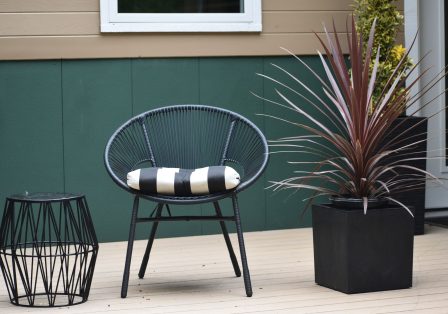
Quick Summary For most Greater New Orleans homeowners, composite decking outlasts pressure-treated pine by a decade or more in IECC Climate Zone 2A, where Formosan subterranean termites, subtropic...
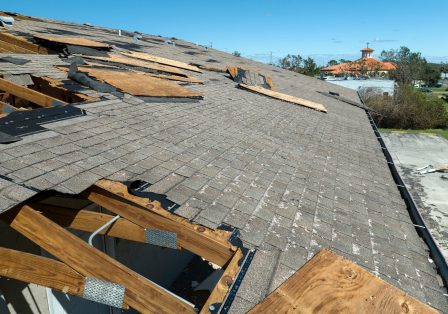
After hurricane roof damage in New Orleans, your first priorities are personal safety, preventing further water intrusion, and documenting everything before you touch it. Tarp exposed areas, photog...

New Orleans roofs face unique challenges from hurricanes, humidity averaging 74%, intense UV exposure, and 62 inches of annual rainfall. Asphalt shingle roofs typically last 10-15 years here versus...
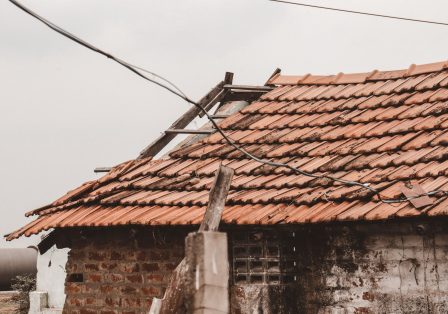
What You Need to Know Big Easy Renovations is an LSLBC-licensed roofing contractor (Residential License #890459, Commercial License #3667) serving Orleans Parish, Jefferson Parish, and St. Ta...
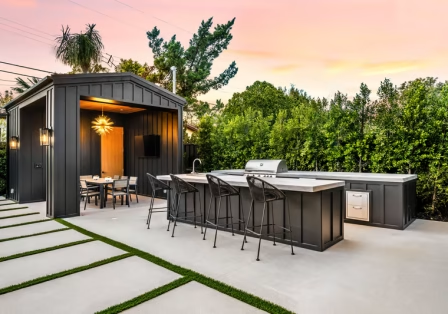
An outdoor kitchen in New Orleans costs $5,000 to $50,000 or more in 2026 depending on size, materials, appliances, and whether the project requires gas, water, and electrical connections. Big EZ R...
 By BigEZRenovations
  0 Comment
  Jun 30, 2026
  By
BigEZRenovations
By
BigEZRenovations  0 Comments