

Opening Hours Mon - Fri: 8:00 AM - 3:00 PMSat - Sun: Closed
New Orleans’ Trusted Renovation Experts — Transform Your
Home with Confidence- Get Your Free Estimate
Opening Hours Mon - Fri: 8:00 AM - 3:00 PMSat - Sun: Closed

Talk to an Expert504-294-8616
Opening Hours Mon - Fri: 8:00 AM - 3:00 PMSat - Sun: Closed

What You Need to Know
Composite decking outlasts pressure-treated wood by 15 to 35 years in New Orleans’ hot-humid subtropical climate, and it does so without the annual sealing, staining, or rot repair that wood requires. Greater New Orleans also carries one of the highest concentrations of Formosan subterranean termites in the continental United States, according to the LSU AgCenter, and those colonies can structurally compromise a wood deck within months. Big Easy Renovations builds outdoor decks across Orleans Parish, Jefferson Parish, and the surrounding metro under Residential Contractor License #890459 issued by the Louisiana State Licensing Board for Contractors (LSLBC). For most homeowners comparing materials in this market, capped composite wins on total cost, durability, and long-term time investment.
Last Updated: June 2026
Composite decking costs more at the point of installation, but that gap closes quickly once New Orleans’ climate starts working on a wood deck. Outdoor deck construction across the Greater New Orleans metro involves a set of climate pressures that contractors in drier regions do not encounter at the same pace: year-round humidity above 70 percent, intense Gulf Coast UV exposure, frequent tropical rainfall, and a termite population unlike any other in the continental United States. Pressure-treated pine, the default wood choice for cost-conscious homeowners, starts showing rot and surface cracking within a few years without consistent maintenance. By year 10 to 15, most wood decks in this region face either a full rebuild or expensive board-by-board replacement.
Big Easy Renovations holds Residential Contractor License #890459 and Commercial Contractor License #3667, both issued by the Louisiana State Licensing Board for Contractors (LSLBC), and builds decks across New Orleans, Metairie, Kenner, Slidell, and the surrounding parishes. The material question comes up on every deck consultation, and the right answer depends on budget, intended length of stay, and the property’s specific sun and moisture exposure.
Pressure-treated wood decking in New Orleans typically lasts 10 to 15 years before requiring full replacement, and that estimate assumes consistent annual maintenance. IECC Climate Zone 2A, which covers Greater New Orleans and the surrounding parishes, combines average annual relative humidity above 70 percent with summer temperatures that regularly push past 95 degrees Fahrenheit. That combination accelerates wood decay faster than most of the continental United States experiences.
The damage pattern is predictable. Wood absorbs moisture during the city’s frequent rainstorms and then expands through the heat, contracts during drier spells, and develops checking, which are surface cracks along the grain, within the first two to three years even on protected boards. Pressure-treated pine resists fungal decay better than untreated lumber, but it still requires resealing every one to two years in Zone 2A to maintain that chemical protection. Skipping one cycle in New Orleans’ climate can allow moisture to penetrate and begin rotting the board core while the surface still looks functional.
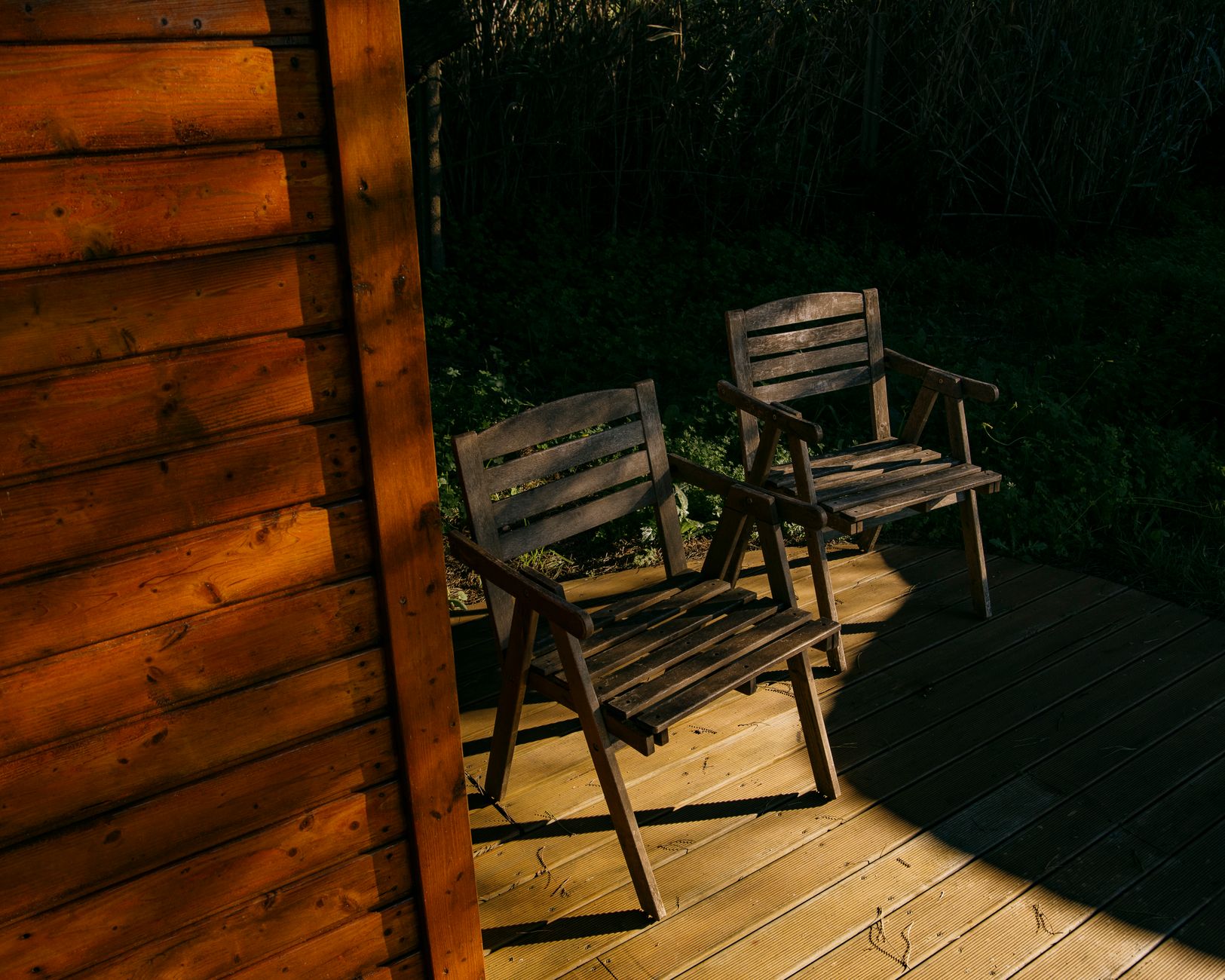
Warping follows a similar timeline. Boards that sit in standing water after the region’s heavy thunderstorms will cup or bow even when properly sealed, particularly in deck sections with limited airflow beneath the frame. The LSU AgCenter’s guidance on wood decay and outdoor structures in Louisiana recommends maximizing ventilation and soil clearance beneath deck frames to reduce decay risk, though even well-maintained wood structures face cumulative moisture damage in Zone 2A over time.
Capped composite decking resists moisture, rot, and surface mold far better than wood in IECC Climate Zone 2A, and quality products carry 25-year to lifetime warranties that pressure-treated pine cannot approach. The structural difference is straightforward: composite boards do not absorb water the way wood fibers do. The expansion-and-contraction cycle that cracks and warps wood boards affects composite far less, and the maintenance requirement drops from annual sealing to an occasional wash with soap and water.
Not all composite performs equally in sustained humidity. Uncapped composite, an older product category that blends wood fibers and recycled plastic without a full polymer shell, can still develop surface mold and staining in consistently wet, shaded environments common in Greater New Orleans backyards. Capped composite products enclose the board in a solid polymer shell on three or four sides, which blocks moisture from reaching the wood-fiber core entirely. Products with four-sided capping, such as TimberTech PRO and Fiberon’s premium lines, offer measurably better mold resistance in sustained humidity than three-sided alternatives and are generally the better specification for properties in Orleans Parish and Jefferson Parish.
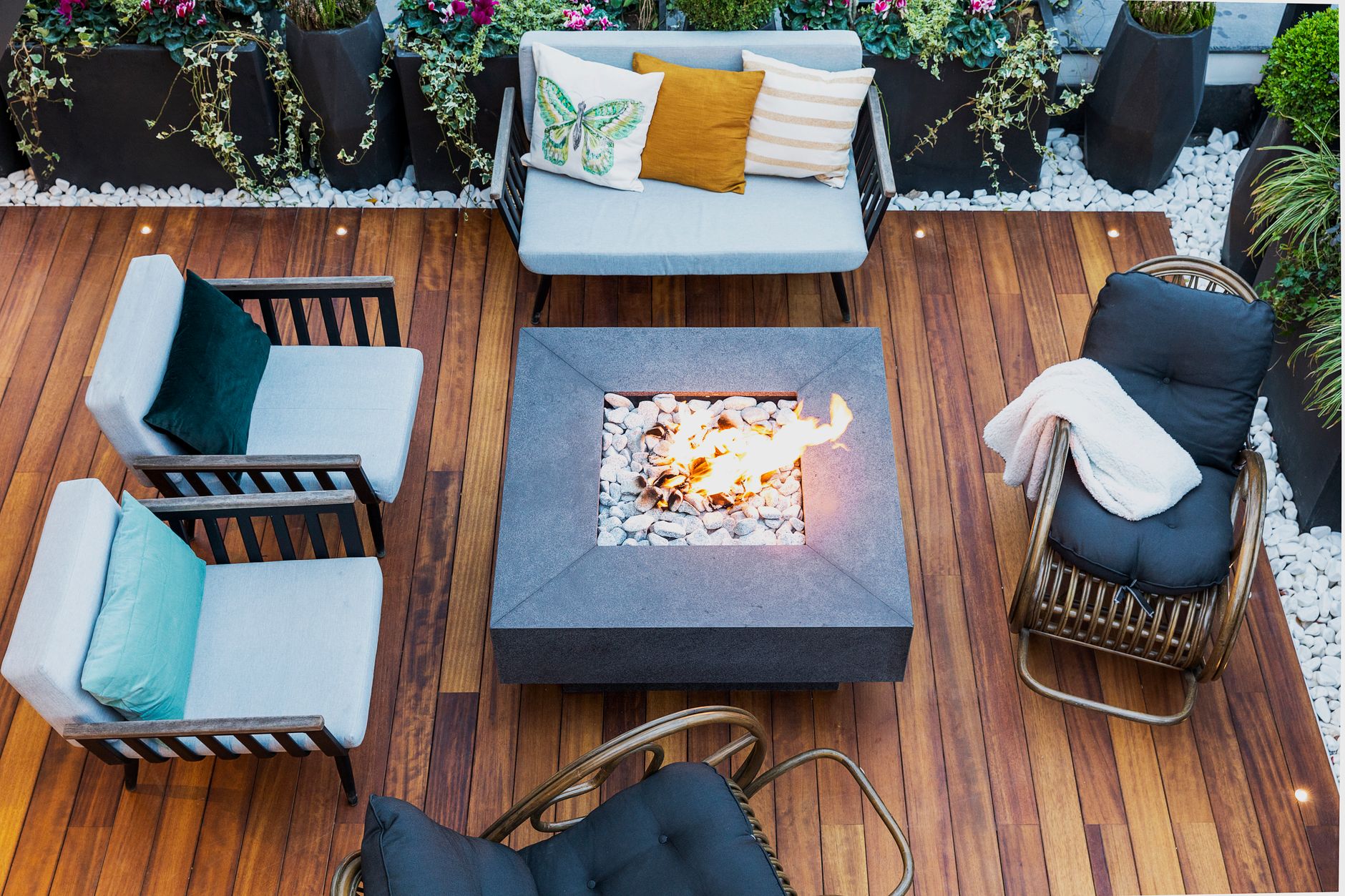
Heat retention is a real tradeoff worth understanding before finalizing a material choice. Composite deck surfaces in direct Gulf Coast sun can reach 140 to 150 degrees Fahrenheit on an 80-degree day, which is noticeably warmer underfoot than natural wood in the same conditions. Lighter board colors and products engineered with UV-reflective pigment technology reduce surface temperatures and resist color fading more effectively over years of intense Louisiana sun. Most homeowners across the metro pair composite decking with a pergola or covered structure for that reason, and the same shade planning applies whether the project also includes an outdoor kitchen built alongside the deck or added in a later phase.
New Orleans and Lake Charles have the highest concentrations of Formosan subterranean termites in the continental United States, according to the LSU AgCenter, and Formosan colonies can cause severe structural damage to a wood structure in as little as six months. That specific threat changes the risk profile of a wood deck in Greater New Orleans in a way that most national decking comparisons do not account for.
The Formosan subterranean termite arrived in New Orleans after World War II and spread through the region’s mature tree canopy and historic housing stock. Unlike native subterranean termite species, Formosan colonies are large enough to consume wood from the inside out faster than annual inspections reliably catch the damage. Deck posts set near soil contact are especially vulnerable because they give foraging colonies direct ground-to-wood access. The LSU AgCenter estimates Formosan termites cause $1 billion in property damage annually across the United States, with Louisiana carrying a disproportionate share. Homeowners who are also evaluating exterior material choices for their New Orleans home’s siding often encounter this same pest calculus across multiple project types.
Composite decking boards contain no cellulose in their outer polymer shell, which means termites cannot consume the deck surface itself. The substructure, including pressure-treated joists, ledger boards, and posts, still requires proper chemical treatment and periodic inspection regardless of what the deck surface is made of. Eliminating termite access to the most visible and most frequently damaged component of the outdoor structure is a meaningful risk reduction in this specific market. Big Easy Renovations addresses substructure protection as part of every deck installation across New Orleans and the surrounding parishes.
Composite decking costs more per square foot at installation than pressure-treated wood, but the 25-year total ownership cost typically favors composite once maintenance and replacement expenses are included. The figures below reflect verified 2026 pricing ranges from HomeGuide and Angi for the Greater New Orleans market.
| Material | Installed Cost (per sq ft) | Expected Lifespan in Zone 2A | Ongoing Maintenance |
|---|---|---|---|
| Pressure-Treated Pine | $17 to $35 | 10 to 15 years | Annual sealing, staining, rot repairs |
| Capped Composite | $40 to $80 | 25 to 50 years | Periodic wash with soap and water |
| Tropical Hardwood (Ipe) | $30 to $55 | 20 to 25 years | Annual oiling required |
A 400-square-foot pressure-treated wood deck built for $10,000 to $14,000 will likely require a full rebuild by year 12 to 15 in New Orleans’ climate, plus annual sealing and staining over its life. A composite deck at the same size costs $16,000 to $32,000 installed and carries a 25-year warranty with essentially no structural replacement cost in that window. For homeowners planning to stay in their Greater New Orleans property long term, composite typically costs less over 25 years than two rounds of wood construction. For shorter-term owners or investors with tighter upfront budgets, pressure-treated wood remains a practical choice with a predictable replacement cycle.
Homeowners in neighborhoods regulated by the Historic District Landmarks Commission (HDLC), including the Marigny, Treme, Bywater, Mid-City, and Uptown, must obtain a Certificate of Appropriateness (COA) from the HDLC before adding or substantially modifying any outdoor deck visible from the public right-of-way. The commission reviews proposed materials, colors, and design for compatibility with the historic character of the surrounding block, and no exterior work proceeds legally without the COA in place. Rear-yard deck additions on non-contributing structures typically move through a more streamlined HDLC review, but the COA requirement applies regardless of the structure’s location on the lot.
Standard building permits are also required across the metro. Homeowners in Orleans Parish apply to the Orleans Parish Building Department; Jefferson Parish homeowners go through Jefferson Parish Inspection and Code Enforcement; properties in Mandeville, Covington, or Slidell submit applications to St. Tammany Parish Permits and Inspections. Starting a consultation before finalizing a project budget gives homeowners time to identify which approvals apply and factor permit timelines into the project schedule before materials are ordered.
Composite decking is generally compatible with HDLC design guidelines for secondary and rear-yard structures, particularly in natural wood-tone colors that complement the historic character of the surrounding neighborhood. The commission focuses on visual compatibility and material profile rather than prohibiting specific product chemistries. Homeowners planning deck projects alongside insulation or interior upgrades in older New Orleans homes often find that permit coordination across multiple trades works most efficiently through a single licensed contractor handling both the outdoor and interior scopes.
Ready to start planning your deck? Call Big Easy Renovations at (504) 294-8616 to discuss materials, permitting, and project scope. The team serves New Orleans, Metairie, Kenner, Slidell, and the surrounding parishes and handles outdoor deck construction from initial site assessment through final inspection under Residential Contractor License #890459.
How long does a wood deck last in New Orleans?
Pressure-treated wood decking in New Orleans typically lasts 10 to 15 years with annual maintenance that includes sealing and staining every one to two years. IECC Climate Zone 2A’s year-round humidity above 70 percent, intense Gulf Coast UV, and frequent rainfall accelerate wood decay faster than most other U.S. markets. Skipping even one sealing cycle in this climate can allow rot to begin before the surface shows visible damage.
Is composite decking worth the higher upfront cost in Louisiana?
For most Greater New Orleans homeowners planning to stay in their property five or more years, capped composite decking costs less than wood over a 25-year window once maintenance and replacement expenses are factored in. The 25-to-50-year lifespan, near-zero maintenance requirements, and resistance to Formosan subterranean termites at the deck surface level make composite the more economical choice in Louisiana’s Zone 2A climate.
Does composite decking get too hot to walk on in New Orleans summers?
Composite deck surfaces in direct sun can reach 140 to 150 degrees Fahrenheit on an 80-degree New Orleans day. Lighter board colors and products engineered with UV-reflective pigment technology reduce surface temperatures meaningfully. Adding a pergola or shade structure over the deck is the most effective mitigation and a standard design combination for outdoor living projects across the Greater New Orleans metro.
Do I need a building permit to add a deck in New Orleans?
Most deck additions in New Orleans require a building permit from the Orleans Parish Building Department. Homeowners in Jefferson Parish apply through Jefferson Parish Inspection and Code Enforcement. Properties in the Marigny, Treme, Bywater, or other HDLC-regulated neighborhoods also need a Certificate of Appropriateness from the Historic District Landmarks Commission before any construction begins, which is separate from the standard building permit requirement.
Are Formosan termites a real risk for wood decks in New Orleans?
Yes. New Orleans has one of the highest Formosan subterranean termite concentrations in the continental United States, according to the LSU AgCenter, and Formosan colonies can cause severe structural damage to a wood structure in as little as six months. Composite decking boards contain no cellulose in their outer shell, eliminating termite access to the deck surface itself, though the wood substructure still requires proper treatment and regular inspection.
Does Big Easy Renovations build decks in Jefferson Parish and St. Tammany Parish?
Big Easy Renovations builds outdoor decks across Orleans Parish, Jefferson Parish, St. Tammany Parish, and the surrounding Greater New Orleans metro under Residential Contractor License #890459 and Commercial Contractor License #3667, both issued by the Louisiana State Licensing Board for Contractors (LSLBC). The company handles permit coordination and material selection for both wood and composite deck installations throughout the service area.
New Orleans homes lose paint adhesion fastest on walls that trap moisture behind the coating, and the culprit is almost always vapor rather than a bad paint job. Big EZ Renovations, licensed by the...
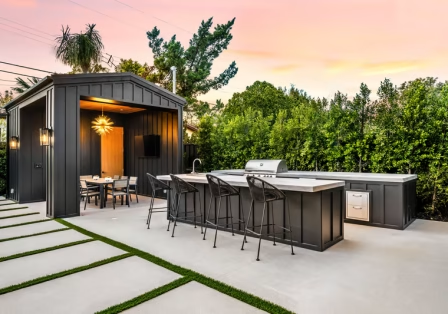
An outdoor kitchen in New Orleans costs $5,000 to $50,000 or more in 2026 depending on size, materials, appliances, and whether the project requires gas, water, and electrical connections. Big EZ R...
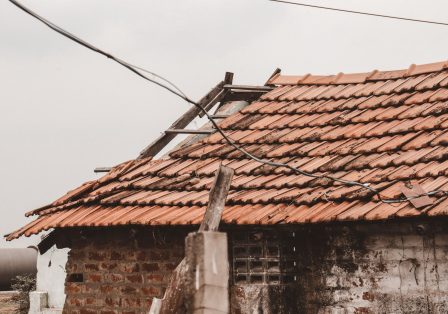
What You Need to Know Big Easy Renovations is an LSLBC-licensed roofing contractor (Residential License #890459, Commercial License #3667) serving Orleans Parish, Jefferson Parish, and St. Ta...
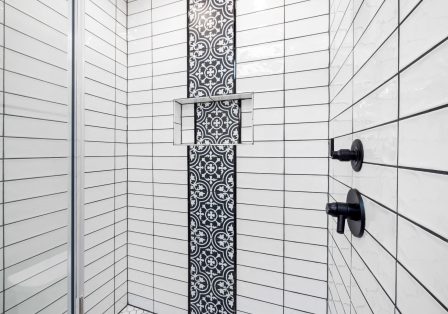
Quick Summary Bathroom renovation in New Orleans, Louisiana requires a permit from the Orleans Parish Department of Safety and Permits before any plumbing, electrical, or structural work begins. M...
A FORTIFIED roof in Louisiana costs $4.40-$6.90 per square foot, or roughly $8,800-$13,800 for a 2,000 sq ft home, only 10-15% more than a standard replacement. The Louisiana Fortify Homes Program ...
What You Need to Know A professional roof inspection in New Orleans costs $85 to $755, with most residential inspections running $270 to $388 for a standard visit covering shingles, flashing, deck...
 By BigEZRenovations
  0 Comment
  Jun 16, 2026
  By
BigEZRenovations
By
BigEZRenovations  0 Comments