

Opening Hours Mon - Fri: 8:00 AM - 3:00 PMSat - Sun: Closed
New Orleans’ Trusted Renovation Experts — Transform Your
Home with Confidence- Get Your Free Estimate
Opening Hours Mon - Fri: 8:00 AM - 3:00 PMSat - Sun: Closed

Talk to an Expert504-294-8616
Opening Hours Mon - Fri: 8:00 AM - 3:00 PMSat - Sun: Closed

Quick Summary
Ornamental iron gates are a defining feature of New Orleans architecture, but the city’s hot-humid climate, classified as IECC Climate Zone 2A, and annual average humidity of 76% make regular professional maintenance essential to preventing irreversible corrosion. Big Easy Renovations installs, restores, and fabricates custom ornamental iron gates across Greater New Orleans and surrounding parishes, including properties in the Marigny, Treme, Bywater, and Garden District that require a Certificate of Appropriateness (COA) from the Historic District Landmarks Commission (HDLC) before any exterior alteration can begin. Homeowners in HDLC Full Control districts must submit design drawings and receive COA approval before a gate is installed, replaced, or modified. For properties outside regulated historic districts, restoration work can start immediately after scheduling a consultation. Big Easy Renovations is licensed by the Louisiana State Licensing Board for Contractors (LSLBC) under Residential License #890459 and Commercial License #3667.
Last Updated: July 2026
Ornamental iron gates in New Orleans face one of the most corrosive environments in the continental United States. IECC Climate Zone 2A brings 76% average humidity, more than 60 inches of annual rainfall, and salt aerosols carried inland from Lake Pontchartrain and the Gulf of Mexico, all of which attack unprotected iron continuously. Big Easy Renovations, licensed under LSLBC Residential License #890459, handles gate installation, restoration, and ornamental ironwork across Greater New Orleans and surrounding parishes, including HDLC-regulated historic properties where a Certificate of Appropriateness is required before work begins. Whether the project involves stripping and recoating an existing gate or fabricating a new piece that matches a property’s original ironwork pattern, this post covers the historic context, HDLC process, restoration steps, climate maintenance requirements, and cost ranges specific to this market.
New Orleans ornamental ironwork draws from French and Spanish colonial traditions dating to the 18th century, and the same four motifs dominate the city’s historic streetscapes today: fleur-de-lis pickets, vertical scrollwork with spear tips, cornstalk and morning glory patterns, and geometric lattice grilles. Properties in the Marigny and Treme typically carry Victorian-era scrollwork with foliate detailing. Garden District and Irish Channel homes more often feature elaborate botanical cast elements. The French Quarter, regulated by the Vieux Carré Commission (VCC) rather than the Historic District Landmarks Commission, shares the same general design vocabulary but follows VCC review for any exterior alteration.
True wrought iron, a nearly pure iron alloy with slag inclusions that gave it excellent natural corrosion resistance, has not been commercially produced in the United States since the late 20th century. Ornamental iron gates fabricated today use mild steel, shaped by welding and finished with powder coating or oil-based paint to replicate historic profiles. When the Historic District Landmarks Commission evaluates a gate replacement in Bywater or Mid-City, it assesses whether the design is visually compatible with the building and the block, not whether the metal is true wrought iron. Understanding that distinction matters when selecting a fabricator and preparing a COA submission.
For narrow shotgun-house lots common throughout Treme, Marigny, Bywater, and Mid-City, sliding or cantilever gate configurations are often more practical than swing gates because the sidewalk setback and front-yard depth cannot accommodate a full swing arc. A contractor experienced with New Orleans housing types can identify which gate design suits the lot layout before fabrication begins, which avoids a costly revision after the HDLC application is filed.
Any homeowner in an HDLC Full Control district, which includes the Marigny, Treme, Bywater, Mid-City, Garden District, Irish Channel, Algiers Point, Holy Cross, Lakeview, and more than a dozen additional Orleans Parish neighborhoods, must obtain a Certificate of Appropriateness (COA) from the Historic District Landmarks Commission before installing, replacing, or significantly modifying an ornamental iron gate. Routine maintenance, including repainting an existing gate in the same color and same profile, is generally exempt from COA review. Replacing the gate design, changing the height, altering the ornamental pattern, or installing a new gate where none previously existed all require prior approval.
The COA application requires design drawings, material specifications, and photographs of the existing structure and neighboring properties. The HDLC reviews submissions at scheduled commission meetings, so project timelines should account for a review period of several weeks for straightforward gate applications. The HDLC design guidelines at nola.gov/hdlc cover height restrictions, approved materials, and the full Certificate of Appropriateness application process for each regulated district. Front-yard gates and fences in Full Control districts are generally capped at 4 feet in height; rear-yard and side-yard structures may reach 7 feet.
Properties in the French Quarter fall under the Vieux Carré Commission (VCC) rather than the HDLC, but the Certificate of Appropriateness requirement applies to VCC-regulated properties as well. Homeowners in Jefferson Parish, covering Metairie, Kenner, Gretna, Harahan, and River Ridge, do not fall under HDLC or VCC jurisdiction. Jefferson Parish Inspection and Code Enforcement handles permits in those communities. St. Tammany Parish Permits and Inspections governs gate and fence work in Mandeville, Covington, Madisonville, and Slidell. Contacting the relevant parish office before starting fabrication avoids project delays and potential stop-work orders.
A full professional restoration in Greater New Orleans differs from a touch-up repaint in six steps that cannot be skipped without shortening the finished gate’s service life significantly. Skipping surface preparation, the most common shortcut, produces a gate that looks finished for two to three seasons before rust forces the coating off from below.
Greater New Orleans averages 76% relative humidity year-round, exceeding the 60% threshold at which iron begins to oxidize every day of the year. Salt aerosols from Lake Pontchartrain and the Gulf of Mexico accelerate that process because chloride ions penetrate paint films and attack metal below the surface, a process called undercutting, which forces paint off from underneath without any visible surface damage first. A properly coated gate in IECC Climate Zone 2A needs a full repaint every five to seven years. A gate painted without rust-inhibiting primer will show surface rust within two to three seasons.
Properties near the Mississippi River waterfront in Bywater and Holy Cross, or along the Lake Pontchartrain lakeshore in Lakeview and Gentilly, experience heavier salt aerosol loads than inland neighborhoods and warrant shorter maintenance intervals. The same Zone 2A climate conditions that shorten the life of outdoor kitchen surfaces apply to iron gates on the same property, so coordinating both maintenance projects with one contractor reduces mobilization costs.
Annual maintenance for ornamental iron in Greater New Orleans should include a full inspection of all welds and joints for rust bubbles or paint lifting, cleaning with a mild detergent to remove salt deposits and organic debris, touching up any chips or bare metal spots with primer and matching finish paint before the next rain cycle, and applying a UV-resistant clear sealant or paste wax to slow moisture penetration between full repaints. Monthly rinsing with fresh water during the summer months, when humidity and salt load peak, prevents mineral and organic buildup from holding moisture against the metal surface.
Gate restoration in Greater New Orleans runs $300 to $800 for a standard single pedestrian gate, depending on the extent of rust damage and whether structural welding is required. New ornamental iron gate installation ranges from $900 to $2,500 installed for most residential projects, with elaborate historic-reproduction designs reaching $10,000 or more. The figures below reflect 2026 Greater New Orleans market conditions and do not include HDLC design drawing preparation, which adds cost for properties in regulated historic districts.
| Project Type | Typical Cost Range |
|---|---|
| Surface rust removal and repaint (single gate) | $300 to $500 |
| Full restoration with structural welding repairs | $500 to $800 |
| New single pedestrian gate, installed | $900 to $1,500 |
| New double driveway gate, installed | $2,000 to $5,000 |
| Custom historic-reproduction gate with cast elements | $5,000 to $10,000+ |
Custom gates with botanical motifs, cast medallions, or HDLC-reviewed historic-reproduction profiles sit at the upper end of each range. Getting a fabrication quote before submitting the COA application is straightforward because licensed fabricators can produce design drawings that accompany the HDLC submission, which avoids the delay of waiting for approval before pricing is confirmed. Big Easy Renovations coordinates gate design, HDLC documentation, and installation for clients in New Orleans historic districts, so homeowners do not need to manage the permitting and fabrication processes separately.
Ready to restore, replace, or install an ornamental iron gate at your New Orleans property? Call Big Easy Renovations at (504) 294-8616 or schedule a project consultation to get a quote and confirm whether your property requires an HDLC Certificate of Appropriateness before work begins. Big Easy Renovations manages ornamental ironwork, gate fabrication, and welding services across Orleans Parish, Jefferson Parish, St. Tammany Parish, and surrounding areas, with full HDLC coordination for historic district clients from initial design submission through final installation.
Does replacing a gate in the Marigny require HDLC approval?
Yes. Properties in the Marigny, Treme, Bywater, Garden District, Irish Channel, and more than a dozen other Orleans Parish historic districts require a Certificate of Appropriateness (COA) from the Historic District Landmarks Commission (HDLC) before a gate can be replaced, resized, or installed. Repainting an existing gate in the same color and profile is generally considered routine maintenance and does not require a COA.
Is true wrought iron still available for gate fabrication in New Orleans?
True wrought iron has not been commercially produced in the United States since the late 20th century. Gate fabricators in Greater New Orleans now use mild steel, which is shaped, welded, and finished to replicate historic wrought iron profiles. The Historic District Landmarks Commission evaluates gate replacement designs for visual compatibility with the historic district, not for the specific alloy composition of the metal.
How often should ornamental iron gates be repainted in New Orleans?
A properly prepared and primed ornamental iron gate in Greater New Orleans needs a full repaint every five to seven years under IECC Climate Zone 2A conditions. Gates painted without rust-inhibiting primer typically show significant rust within two to three seasons. Monthly fresh-water rinsing and annual touch-up painting of chips and bare spots extend the interval between full repaints.
Does Big Easy Renovations handle HDLC Certificate of Appropriateness documentation for gate projects?
Big Easy Renovations assists homeowners and property owners in New Orleans with the design drawings and material specifications needed for Historic District Landmarks Commission (HDLC) Certificate of Appropriateness applications for gate installations and replacements. The company is licensed by the Louisiana State Licensing Board for Contractors (LSLBC) under Residential License #890459 and Commercial License #3667 and serves Greater New Orleans and surrounding parishes.
What gate heights does the HDLC allow in New Orleans historic districts?
In HDLC Full Control districts in Orleans Parish, front-yard gates and fences are generally capped at 4 feet in height. Rear-yard and side-yard structures may reach 7 feet. The HDLC design guidelines at nola.gov/hdlc provide height limits and approved materials specific to each regulated historic district.
How much does it cost to restore a wrought iron gate in New Orleans?
Surface rust removal and repainting a single pedestrian gate in Greater New Orleans typically costs $300 to $500. Full restoration with structural welding repairs runs $500 to $800. New gate installation for a standard residential project ranges from $900 to $2,500, with custom historic-reproduction gates reaching $5,000 to $10,000 or more depending on design complexity and HDLC documentation requirements.
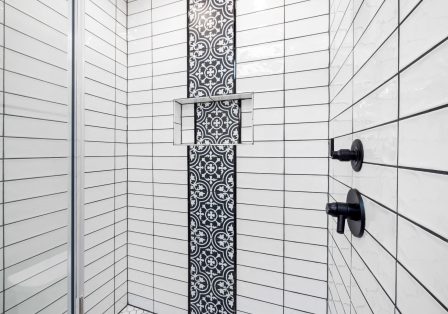
Quick Summary Bathroom renovation in New Orleans, Louisiana requires a permit from the Orleans Parish Department of Safety and Permits before any plumbing, electrical, or structural work begins. M...
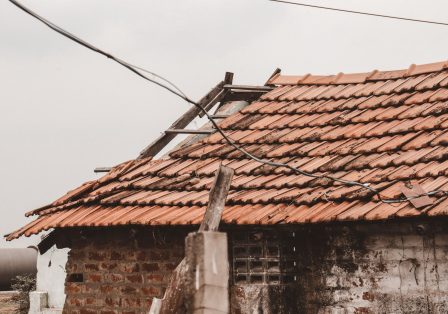
What You Need to Know Big Easy Renovations is an LSLBC-licensed roofing contractor (Residential License #890459, Commercial License #3667) serving Orleans Parish, Jefferson Parish, and St. Ta...
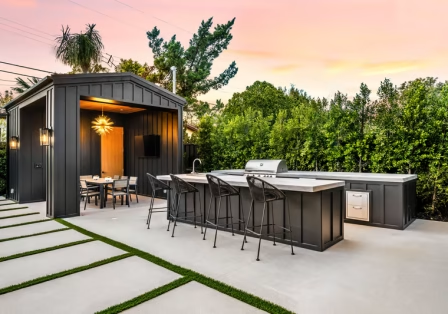
An outdoor kitchen in New Orleans costs $5,000 to $50,000 or more in 2026 depending on size, materials, appliances, and whether the project requires gas, water, and electrical connections. Big EZ R...
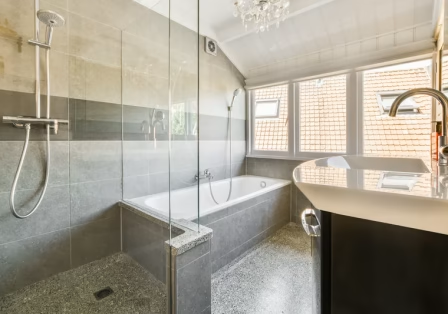
A bathroom renovation in New Orleans costs $2,500 to $50,000 or more in 2026 depending on scope, materials, and whether the project involves plumbing relocation. Big EZ Renovations handles bathroom...

Starting a home renovation is like opening a door to a world of possibilities, where your living space can be transformed into something truly remarkable. At Big EZ Renovations, we appreciate the i...

The best time to lay sod in New Orleans is September through mid-October, followed closely by March through May. Both windows offer warm soil, manageable air temperatures, and enough natural rainfa...
 By BigEZRenovations
  0 Comment
  Jul 28, 2026
  By
BigEZRenovations
By
BigEZRenovations  0 Comments