

Opening Hours Mon - Fri: 8:00 AM - 3:00 PMSat - Sun: Closed
New Orleans’ Trusted Renovation Experts — Transform Your
Home with Confidence- Get Your Free Estimate
Opening Hours Mon - Fri: 8:00 AM - 3:00 PMSat - Sun: Closed

Talk to an Expert504-294-8616
Opening Hours Mon - Fri: 8:00 AM - 3:00 PMSat - Sun: Closed

What You Need to Know
Finding termite damage during a renovation in New Orleans is more common than most homeowners expect, because Formosan subterranean termites can hollow out floor joists, wall studs, and load-bearing beams while leaving surfaces intact. Big Easy Renovations handles termite damage repair across Greater New Orleans, Orleans Parish, Jefferson Parish, and the surrounding parishes, assessing structural scope before any finish work continues. Whether the damage is limited to surface framing or runs through multiple structural members, the repair decision depends on three factors: how much of the wood cross-section remains intact, whether the member carries a load, and whether adjacent members can be sistered while the original stays in place. Standard homeowners insurance policies in Louisiana do not cover termite damage, so understanding what gets replaced versus what gets reinforced helps manage both the budget and the project timeline from the start.
Last Updated: October 2026
Termite damage repair in New Orleans requires a different calculus than in most of the country, because Formosan subterranean termites — the species that colonizes Greater New Orleans in enormous numbers — can reduce a structurally sound floor joist to a hollow shell in less than six months. When demolition crews open walls or floors during a kitchen renovation in New Orleans, they frequently expose damage that predates the current owner by years. The scope of that damage determines whether the project pauses for a few days or a few weeks, and whether it adds a few thousand dollars or significantly more to the original budget.
Big Easy Renovations, licensed by the Louisiana State Licensing Board for Contractors (LSLBC) under Residential Contractor License #890459 and Commercial Contractor License #3667, handles the full sequence from damage assessment through structural repair and finish restoration across the company’s Greater New Orleans service area, including Metairie, Kenner, Gretna, Slidell, and the North Shore parishes. Termite repair is not a separate project from the renovation. It integrates into the construction sequence so work continues without the homeowner coordinating two separate contractors.
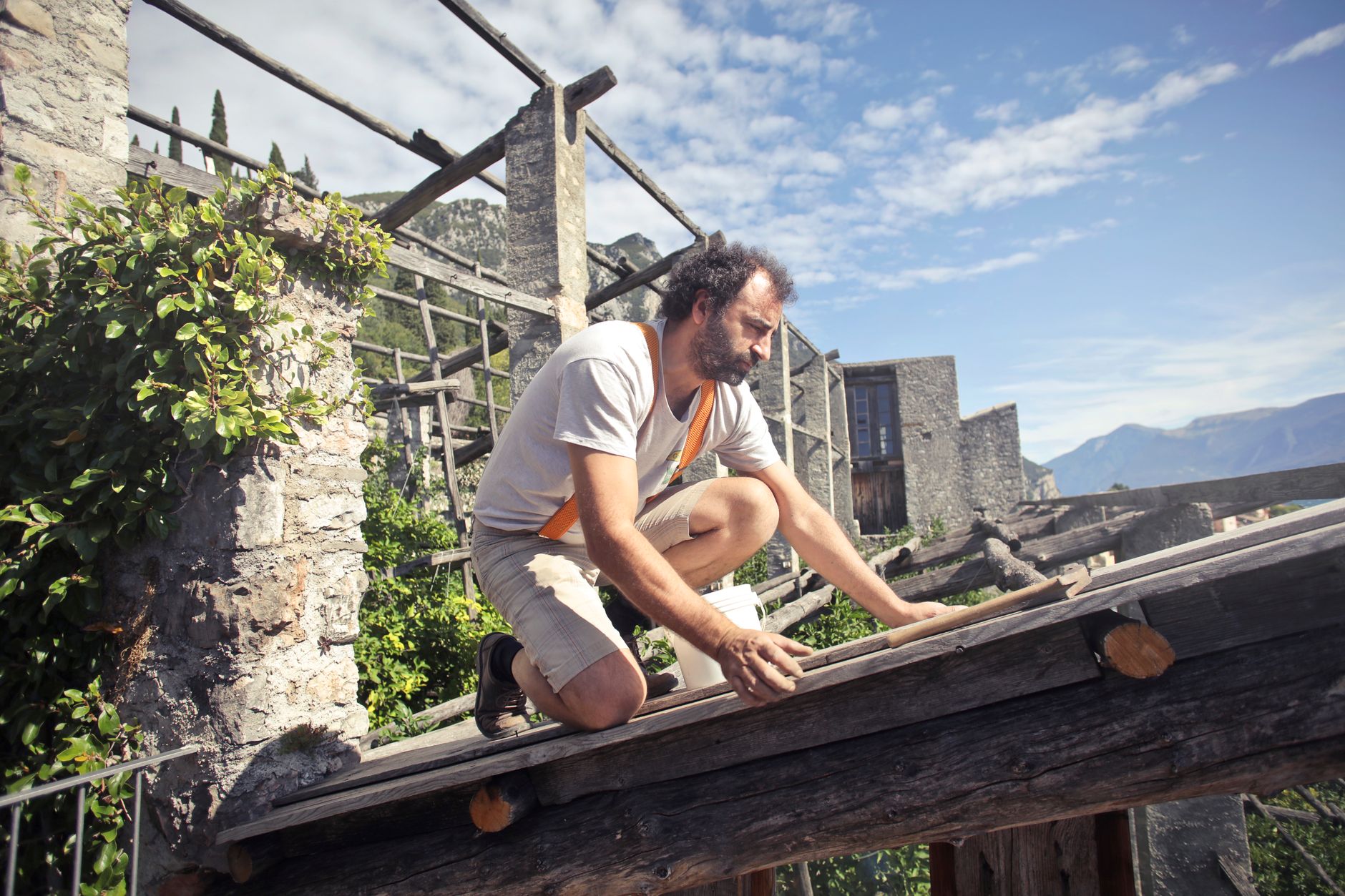
Wood requires full replacement rather than reinforcement when more than 30 to 40 percent of the cross-section is compromised, when a probe or screwdriver pushes through without resistance, or when the member is load-bearing and cannot be safely sistered without full removal. Surface cosmetic damage with shallow galleries and an intact outer layer can often be stabilized with epoxy consolidants. Deep structural damage cannot.
In practice, Formosan termite damage in New Orleans homes rarely stays shallow. Formosan colonies range from several hundred thousand to over one million individuals, and a mature colony consumes wood at roughly 1,000 pounds per year, according to the USDA Agricultural Research Service. By the time a renovation crew opens a wall, the damage inside is typically more extensive than any surface sign suggested.
The assessment process involves probing along the full length of each exposed member, not just the obviously damaged section. Termites travel through the center of a board before attacking the face, so a joist that looks intact from below may be hollow for several feet in either direction from the visible gallery entry point. Renovation projects that involve full subfloor demolition give contractors a much clearer picture of total damage extent than projects that only open a section of the floor.
Several categories almost always require full replacement in Greater New Orleans renovation projects: severely damaged sill plates resting on wood piers (the lowest framing member and the one most exposed to moisture and soil contact), floor joists with more than half their depth hollowed out, and any stud or beam in a load-bearing wall where the damage runs through the connection point at the top or bottom plate.
In Greater New Orleans pier-and-beam homes, sill plates and floor joists account for the majority of termite replacements discovered during renovation. These members sit closest to the soil, where Formosan subterranean termites build their mud tubes, and they absorb the humidity that makes wood more vulnerable to infestation and rot simultaneously. Wall studs and top plates follow when termites track moisture from a roof leak or plumbing penetration upward through the framing.
Pier-and-beam construction is common in New Orleans homes built before 1960, and it creates direct pathways from the soil to the structural framing. When renovation work reaches the subfloor, contractors regularly find three types of damage at different elevations:
Items that can typically be stabilized rather than replaced include rim joists with localized gallery damage where the structural center remains intact, non-load-bearing partition studs where sister framing is feasible without disturbing finished adjacent surfaces, and decorative trim or casing that carries no structural load. The Louisiana Department of Insurance does not require a specific repair method for termite damage — that determination rests on a structural assessment of each individual member.
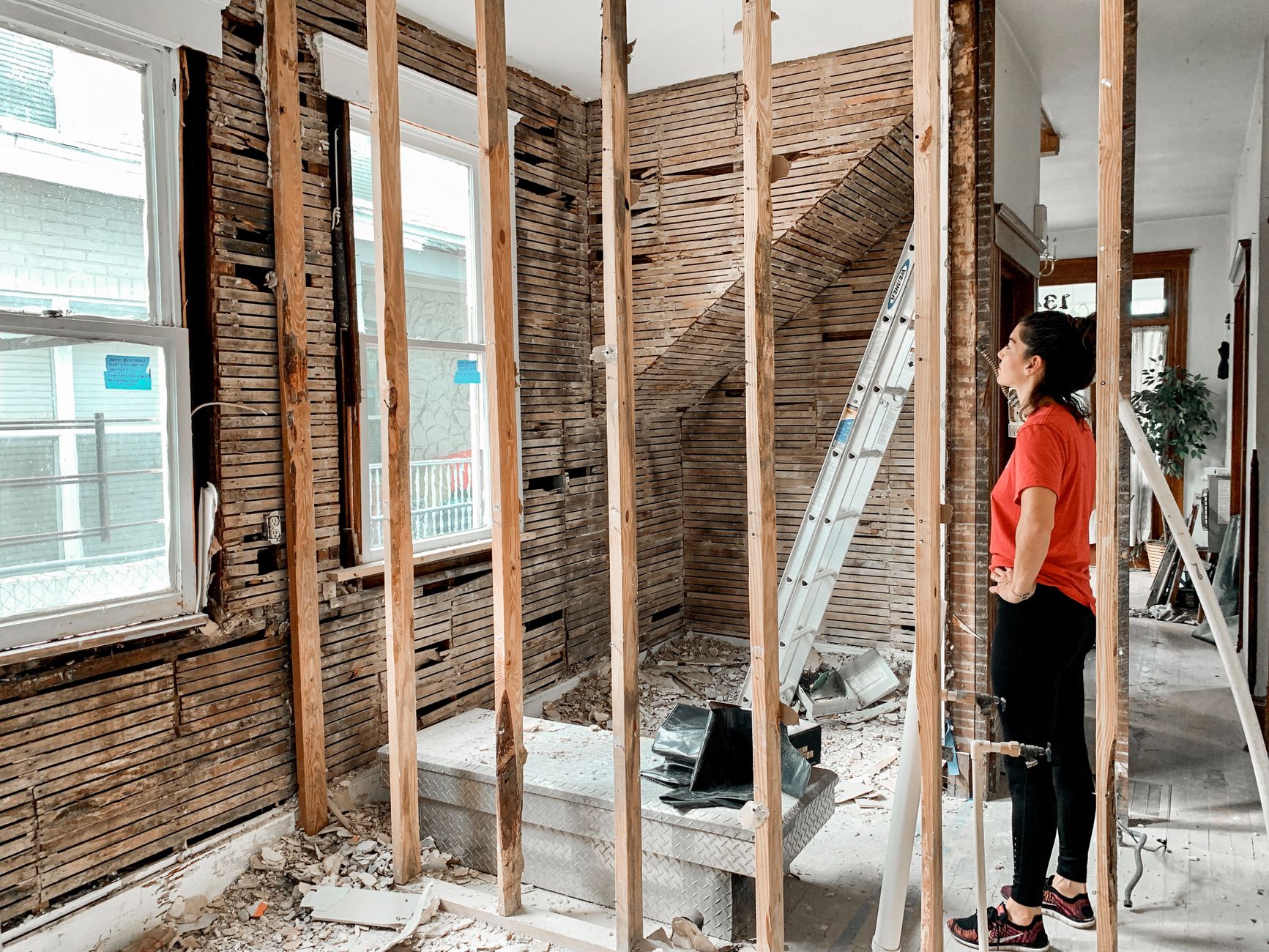
Yes. When termite damage involves structural members — floor joists, load-bearing studs, beams, sill plates, or sheathing — the Orleans Parish Building Department requires a structural renovation permit, not a simple non-structural renovation permit. The permit requirement applies whether the structural work was planned before the project started or discovered mid-renovation after demolition. Replacing plywood sheathing is explicitly classified as structural work under Orleans Parish permitting guidelines.
The structural permit process requires submitted plans when the scope involves multiple members or affects a load-bearing assembly. A licensed contractor can prepare and submit those drawings, and the Orleans Parish Building Department reviews them before issuing the permit and before structural work proceeds. Non-structural repairs — treating surface-damaged wood with epoxy, replacing cosmetic trim, or patching wall finishes over intact framing — do not require a structural permit under the same guidelines.
For Jefferson Parish projects involving the same damage type, Jefferson Parish Inspection and Code Enforcement handles the permit process on the same structural-versus-non-structural distinction. St. Tammany Parish Permits and Inspections governs projects on the North Shore in Mandeville, Covington, and Madisonville. Big Easy Renovations manages permit submissions in all three jurisdictions as part of the renovation coordination process, so homeowners do not have to navigate the permit office separately. Scheduling a project consultation through the project intake page starts that process.
Repair costs depend heavily on the number of structural members affected, the accessibility of the damage, and whether any finish materials already installed need to come out again before structural repairs can begin. The ranges below reflect 2026 New Orleans market conditions and cover structural repair work specifically, separate from the original renovation scope.
| Damage Scope | Typical Cost Range | What It Covers |
|---|---|---|
| Isolated, localized damage | $500 to $2,000 | Epoxy consolidation, sistering 1 to 3 joists, sill plate section replacement |
| Moderate, multiple members | $2,000 to $6,000 | Multiple joist replacements, subfloor panel replacement, load-bearing stud work |
| Extensive, widespread structural | $6,000 to $15,000+ | Full bay joist replacement, beam replacement, sheathing replacement, pier repairs |
Standard homeowners insurance policies in Louisiana do not cover termite damage. The Louisiana Department of Insurance classifies termite infestation as a preventable maintenance condition rather than a sudden covered peril, so repair costs fall to the homeowner. Homeowners who carry an active termite bond contract through a licensed pest management company may have separate repair provisions written into that agreement, and those terms are worth reviewing before any contractor invoice is prepared.
Floor joist replacement in New Orleans runs approximately $30 to $70 per linear foot in 2026 pricing, based on contractor market data for the Greater New Orleans metro area. Subfloor panel replacement adds roughly $2 to $5 per square foot for material and labor. Beam replacement ranges from $1,500 to $5,000 per beam depending on size, load classification, and access conditions.
Minor structural repairs add two to five business days to a renovation timeline: time for the permit application, the structural work itself, the inspection hold, and the framing rough-in before finish materials can return. Moderate damage affecting multiple bays adds one to two weeks. Extensive damage requiring engineered drawings, structural review, and phased repair can add three to six weeks to a project that had no such scope in the original plan.
The timeline impact comes as much from the permit and inspection sequence as from the physical repair work. The Orleans Parish Building Department requires a structural framing inspection before any finish materials cover the new work, which means the project sequence must accommodate an inspection hold. A contractor who manages permit submissions regularly can often minimize that hold to a matter of days rather than weeks by submitting complete documentation upfront.
Projects that involve a full gut renovation in New Orleans absorb termite damage repairs more efficiently than targeted single-room projects, because more of the structure is already exposed and the permit is already in place. A kitchen remodel in a New Orleans shotgun house that includes full floor replacement has less add-on disruption from termite joist repairs than a project that was only replacing cabinetry and countertops with the floor staying in place.
A bathroom renovation in an older New Orleans home on pier-and-beam involves the same subfloor exposure risk, and contractors who routinely work in pre-1960 Greater New Orleans housing stock build termite repair contingencies into the project estimate rather than treating discovery as an unexpected add-on.
Does homeowners insurance cover termite damage repair costs in Louisiana?
Standard homeowners insurance policies in Louisiana do not cover termite damage. The Louisiana Department of Insurance classifies termite infestation as a preventable maintenance issue rather than a sudden covered peril, so repair costs typically fall to the homeowner or to a separate termite bond repair provision if one exists in an active pest management contract.
How fast can Formosan termites damage a New Orleans home structure?
Formosan subterranean termite colonies in Greater New Orleans can cause serious structural damage in six months or less, according to USDA Agricultural Research Service data. Unlike native species, Formosan colonies can exceed one million individuals and consume roughly 1,000 pounds of wood per year, making discovery during an open renovation far preferable to finding damage after finish materials are back in place.
Can termite-damaged wood be stabilized without full replacement?
Yes. When damage is localized to surface galleries and the structural core remains intact, epoxy consolidants and wood hardeners can stabilize the wood without full replacement. Structural members with more than 30 to 40 percent of their cross-section compromised, or any load-bearing piece where the connection points are damaged, require replacement rather than reinforcement to restore structural integrity.
Is a new permit required when termite damage is discovered mid-renovation in Orleans Parish?
Yes, when the repair scope involves structural members such as joists, studs, sheathing, sill plates, or beams, the Orleans Parish Building Department requires a structural renovation permit even when the discovery happens after demolition has already started. Plywood sheathing replacement alone qualifies as structural work under Orleans Parish permit guidelines.
Which parts of a New Orleans home are most at risk for Formosan termite damage?
Sill plates, floor joists, and subfloor panels in pier-and-beam homes are the most frequently damaged structural components in Greater New Orleans, because they sit closest to the soil where Formosan subterranean termites enter through mud tubes. Homes built before 1960 with wood framing that contacts or sits near the soil face the highest structural exposure risk during renovation.
How does Big Easy Renovations handle termite damage found during a renovation?
Big Easy Renovations assesses the full structural scope during demolition, submits the Orleans Parish structural permit application, completes the framing repairs under LSLBC Residential License #890459, coordinates the framing inspection, and then resumes finish work on the renovation. New Orleans homeowners do not need a separate structural contractor for termite damage found mid-project.
Ready to start a renovation and want to know what structural repairs to plan for in advance? Call Big Easy Renovations at (504) 294-8616 to discuss your project. The crew handles full-service interior renovations, structural repairs, outdoor construction, and roofing across New Orleans, Metairie, Kenner, Gretna, and the surrounding parishes, including all permit coordination from the first wall opening through final inspection.
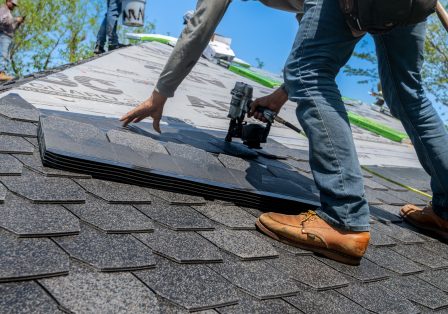
Quick Summary A New Orleans roof with isolated damage on a single section and fewer than 15 years of service can usually be repaired rather than replaced. Big Easy Renovations, licensed by the Lou...

New Orleans roofs face unique challenges from hurricanes, humidity averaging 74%, intense UV exposure, and 62 inches of annual rainfall. Asphalt shingle roofs typically last 10-15 years here versus...
What You Need to Know A professional roof inspection in New Orleans costs $85 to $755, with most residential inspections running $270 to $388 for a standard visit covering shingles, flashing, deck...
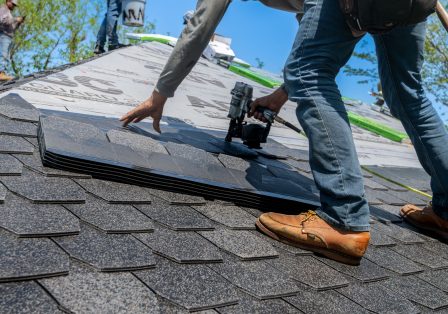
Quick Summary A New Orleans roof with isolated damage on a single section and fewer than 15 years of service can usually be repaired rather than replaced. Big Easy Renovations, licensed by the Lou...

Quick Summary Ornamental iron gates are a defining feature of New Orleans architecture, but the city’s hot-humid climate, classified as IECC Climate Zone 2A, and annual average humidity of 7...
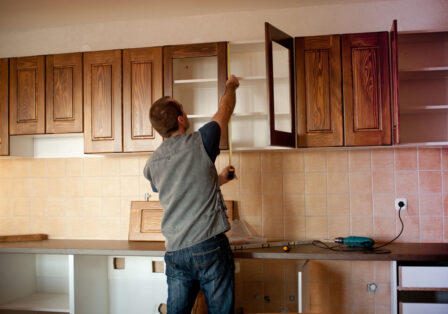
Starting a home renovation is like opening a door to a world of possibilities, where your living space can be transformed into something truly remarkable. At Big EZ Renovations, we appreciate the i...
 By BigEZRenovations
  0 Comment
  Oct 6, 2026
  By
BigEZRenovations
By
BigEZRenovations  0 Comments