

Opening Hours Mon - Fri: 8:00 AM - 3:00 PMSat - Sun: Closed
New Orleans’ Trusted Renovation Experts — Transform Your
Home with Confidence- Get Your Free Estimate
Opening Hours Mon - Fri: 8:00 AM - 3:00 PMSat - Sun: Closed

Talk to an Expert504-294-8616
Opening Hours Mon - Fri: 8:00 AM - 3:00 PMSat - Sun: Closed

Quick Summary
A gut renovation in New Orleans takes 5 to 10 months from contractor selection to final inspection sign-off by the Orleans Parish Department of Safety and Permits. Big Easy Renovations handles full gut projects across Greater New Orleans and surrounding parishes, coordinating building, plumbing, and electrical permits — which are three separate applications through different city offices on different timelines. Homes built before 1978 trigger EPA Renovation, Repair and Painting Rule requirements, and a separate New Orleans city ordinance also governs lead paint disturbance in pre-1978 buildings. Properties in Historic District Landmarks Commission districts such as the Marigny, Treme, and Bywater require a Certificate of Appropriateness for any exterior scope before a building permit is issued. Big Easy Renovations holds Louisiana State Licensing Board for Contractors Residential License #890459 and Commercial License #3667.
Last Updated: November 2026
A gut renovation in New Orleans typically runs 5 to 10 months from the day you hire a contractor through final inspection at the Orleans Parish Department of Safety and Permits, at 1340 Poydras Street, Suite 800. Interior renovation projects in Greater New Orleans require a building permit, a separate electrical trade permit, and a plumbing permit through the New Orleans Sewerage and Water Board — three applications through different offices, running on different timelines, none of which wait for the others.
The homes that get gut renovated most often in this market are shotgun houses, Creole cottages, and camelback doubles in Mid-City, the Seventh Ward, Uptown, and surrounding neighborhoods with dense pre-1950 housing stock. Big Easy Renovations approaches these projects knowing the bid you start with and the scope you finish with rarely match — not because of poor planning, but because New Orleans homes reveal pier-and-beam settlement, Formosan termite damage, and moisture infiltration only after demolition begins.
A gut renovation strips the structure to its framing and rebuilds from there, covering electrical, plumbing, HVAC, insulation, and finishes in a single coordinated project. In an older New Orleans home, this almost always means replacing mid-century aluminum branch-circuit wiring, upgrading galvanized or cast-iron drain lines, and installing insulation that meets the IECC Climate Zone 2A minimum R-30 attic assembly requirement for the greater New Orleans area.
The scope on a typical New Orleans gut renovation includes:
Homes built before 1978 trigger two overlapping lead-safe requirements. Federal EPA Renovation, Repair and Painting Rule certification is required for any contractor disturbing lead-based paint. A New Orleans city ordinance separately governs activities that disturb or remove lead paint in pre-1978 buildings — and that ordinance applies regardless of federal rule scope. Big Easy Renovations holds EPA RRP certification and is licensed under Louisiana State Licensing Board for Contractors Residential License #890459.
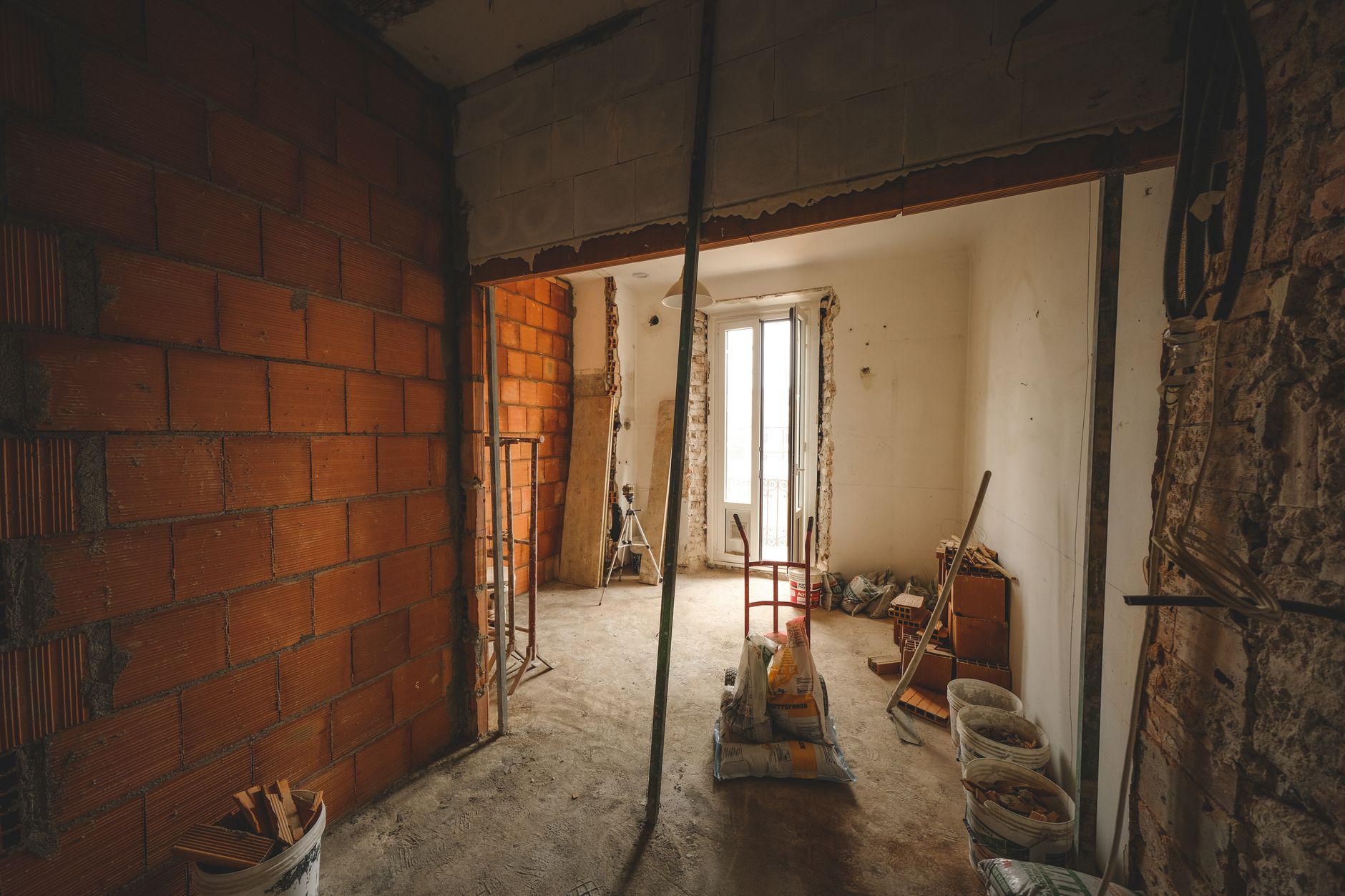
A full gut renovation in New Orleans typically runs 5 to 10 months from signed contract to final inspection, with permit processing at the Orleans Parish Department of Safety and Permits adding 8 to 12 weeks to the front end. The pace depends on project size, structural condition, and whether the property sits in an HDLC-regulated historic district.
Months 1 and 2 cover pre-construction and permit submission. The contractor finalizes drawings, submits the building permit application through the One Stop App at nola.gov, and files separate plumbing and electrical trade permit applications. If the property is in the Marigny, Treme, Bywater, Mid-City, Lakeview, or another Historic District Landmarks Commission district, a Certificate of Appropriateness review for exterior scope runs concurrently. The HDLC Express Lane covers roof replacement and like-for-like repairs but does not apply to full gut renovations — those go through the standard commission review.
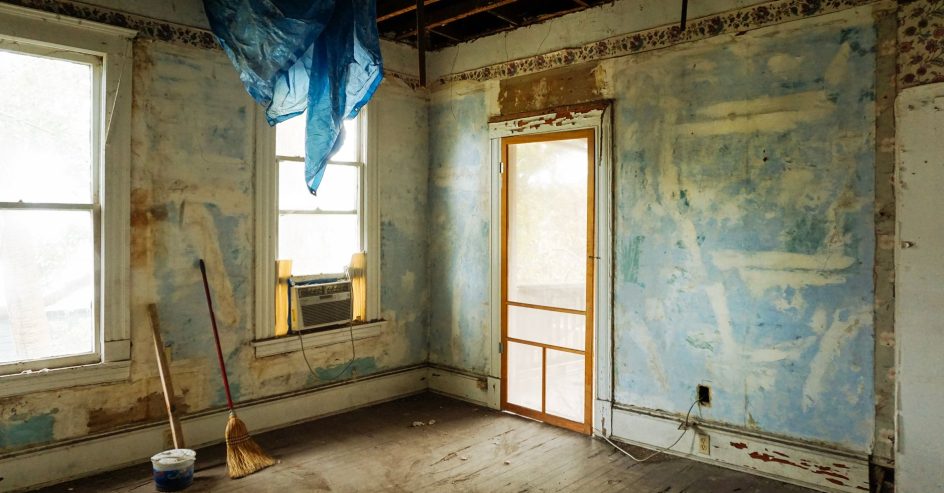
Months 3 and 4 are demolition and structural work. Interior demolition exposes conditions that no pre-bid inspection fully captures: termite damage to sill plates and joists on pier-and-beam homes, compromised prior repairs hidden behind finished walls, and moisture infiltration in exterior assemblies. Foundation inspection and required pier repairs or joist sistering happen in this phase before rough framing is closed.
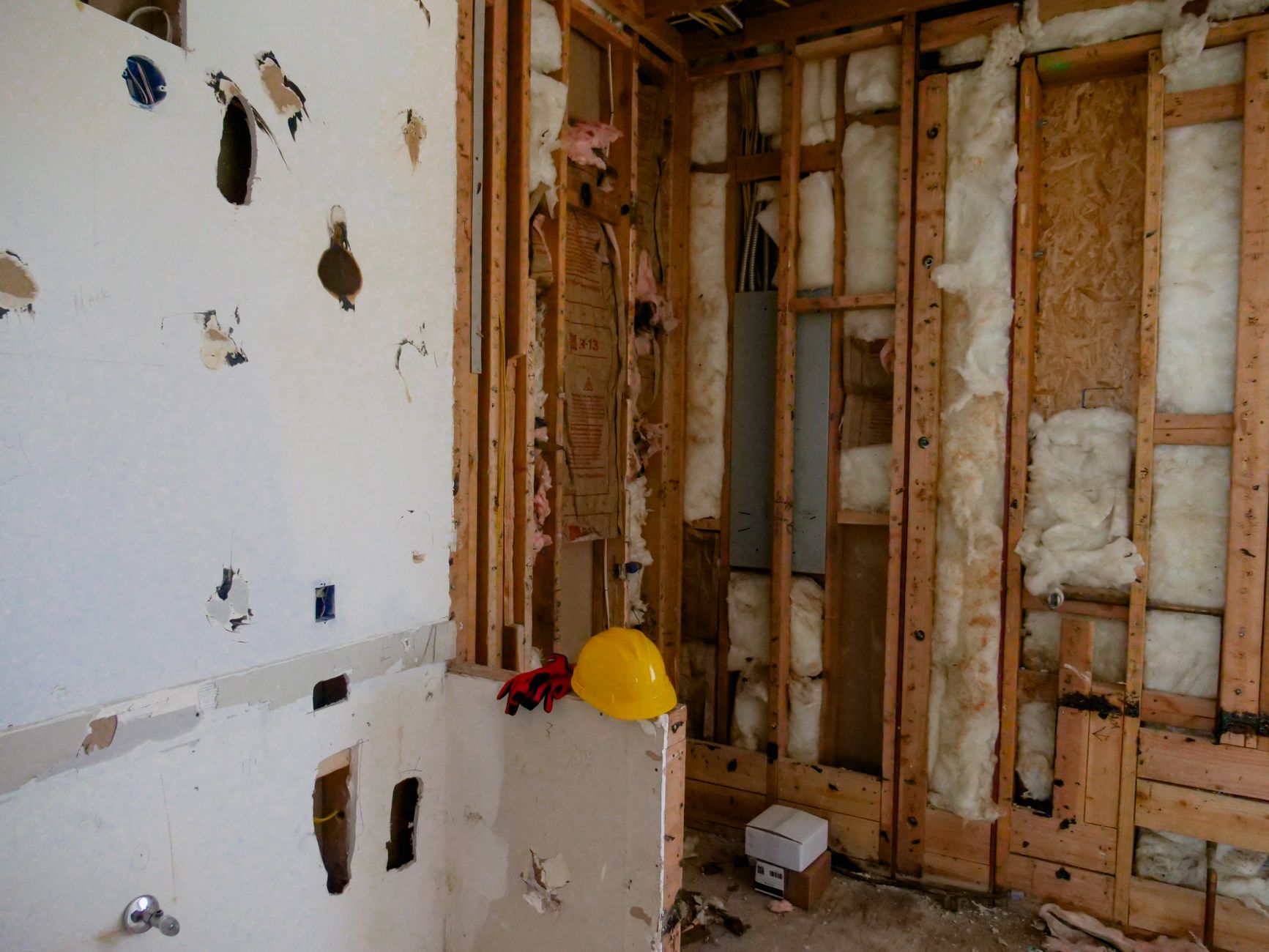
Months 5 and 6 cover rough mechanical work and trade inspections. Electrical, plumbing, and HVAC rough-in proceeds in sequence, with each trade inspected before drywall is hung. For projects in Jefferson Parish or St. Tammany Parish, Jefferson Parish Inspection and Code Enforcement and St. Tammany Parish Permits and Inspections run those trade reviews in place of the Orleans Parish department.
Months 7 through 9 address drywall, finishes, and the punch list. Plumbing fixtures, electrical devices, cabinetry, and flooring install in sequence. Final trade inspections and the building department’s sign-off close out the permit. Projects in older homes with significant hidden structural conditions, or those requiring multiple HDLC review rounds, routinely extend past month 9. Budget a 15 to 20 percent contingency on both time and cost from the start.
A gut renovation in Orleans Parish requires at minimum three separate permits: a building renovation permit from the Department of Safety and Permits at 1340 Poydras Street, Suite 800; an electrical trade permit from the same department; and a plumbing permit from the New Orleans Sewerage and Water Board, which the licensed plumber — not the general contractor — must apply for directly. A mechanical permit for HVAC work is also required on most gut renovations.
Properties in HDLC-regulated historic districts add an exterior review step. The Historic District Landmarks Commission governs exterior alterations on properties in 14-plus Orleans Parish historic districts, including the Marigny, Treme, Bywater, Mid-City, Lakeview, Uptown, the Irish Channel, the Garden District, Holy Cross, Algiers Point, and the Lower Garden District. The Vieux Carre Commission handles French Quarter properties. A Certificate of Appropriateness is required before a building permit is issued when exterior scope is involved. Interior-only work on historically designated properties generally does not require HDLC review, but confirm with the commission before demolition begins — scope lines shift once walls open.
Unapproved work in an HDLC district carries real financial consequences. The Historic District Landmarks Commission issued a $6,000 fine in 2026 for unapproved alterations on a Royal Street property in New Orleans. Verify your permit path before scheduling any demolition by reaching out to the Big Easy Renovations team, and confirm whether your address falls inside an HDLC district at nola.gov/certificate-of-appropriateness-hdlc.
The four conditions that most often expand a gut renovation budget in Greater New Orleans are pier-and-beam foundation damage, termite damage to structural members, lead paint triggering certified work practices, and moisture infiltration behind exterior cladding. All four are more common in pre-1950 Orleans Parish housing stock than national renovation benchmarks suggest, and all four are discovered after demolition begins, not before.
Scheduling a pre-demolition assessment with an LSLBC-licensed contractor addresses all four of these risk categories before budgets are finalized. Bathroom renovation projects in older New Orleans homes surface the same foundation and moisture conditions as a full gut, often mid-project and at a fraction of total gut renovation cost.
A gut renovation in New Orleans runs between $60 and $150 per square foot for the full scope: demolition, structural repairs, rough mechanical work, insulation, and finishes. A 1,200-square-foot shotgun house at the mid-range of that band puts the project at roughly $90,000 to $130,000 before contingency. A 15 to 20 percent contingency for hidden structural conditions is standard practice for this housing stock, not a hedge against unusual circumstances.
| Project Size | Low Estimate | Mid Estimate | High Estimate |
|---|---|---|---|
| 800 sq ft | $48,000 | $72,000 | $120,000 |
| 1,200 sq ft | $72,000 | $108,000 | $180,000 |
| 1,800 sq ft | $108,000 | $162,000 | $270,000 |
These ranges apply to standard gut renovations and exclude HDLC historic district permit fees, lead abatement when full removal is warranted, and structural work beyond floor joist sistering. Louisiana law requires an LSLBC license for all renovation contracts valued at $50,000 or more — verify any contractor at lslbc.louisiana.gov before signing. Big Easy Renovations holds Residential Contractor License #890459, verifiable through the Louisiana State Licensing Board for Contractors.
What is the first step in a gut renovation in New Orleans?
The first step is a pre-demolition assessment with an LSLBC-licensed contractor who can evaluate structural, foundation, and mechanical conditions before scope and budget are finalized. Permit applications are submitted through the Orleans Parish One Stop App at nola.gov immediately after — processing at the Department of Safety and Permits typically takes 8 to 12 weeks.
Do I need separate permits for plumbing and electrical work in a gut renovation?
Yes. In New Orleans, a building renovation permit from the Department of Safety and Permits covers structural and finish work, but plumbing requires a separate permit through the New Orleans Sewerage and Water Board, filed directly by a licensed Orleans Parish master plumber. Electrical work is a separate trade permit through the Department of Safety and Permits.
Does a gut renovation in an HDLC historic district take longer?
Generally yes. Properties in one of the 14-plus Historic District Landmarks Commission districts in Orleans Parish require a Certificate of Appropriateness for exterior scope before a building permit is issued. That additional approval step typically adds 4 to 8 weeks to the front end of a project that interior-only renovations in non-historic neighborhoods do not face.
Can I live in my home during a gut renovation in New Orleans?
Most homeowners cannot. A gut renovation removes finished surfaces, electrical systems, plumbing fixtures, and HVAC for several months at a time — conditions that are neither safe nor practical for occupancy. Full gut renovation projects in Greater New Orleans typically require alternate housing for at least 4 to 6 months, depending on scope and permit timing.
How do I know if my New Orleans home has lead paint?
Any home built before 1978 is presumed to contain lead-based paint under federal EPA guidelines and a separate New Orleans city ordinance that regulates disturbance of lead paint in pre-1978 buildings. Big Easy Renovations holds EPA Renovation, Repair and Painting Rule certification, required for contractors disturbing lead paint in pre-1978 properties in New Orleans, Louisiana.
How do I verify a contractor is licensed for a gut renovation in New Orleans?
Search the Louisiana State Licensing Board for Contractors database at lslbc.louisiana.gov before signing any contract. Louisiana law requires an LSLBC license for renovation work valued at $50,000 or more. Big Easy Renovations holds Residential License #890459 and Commercial License #3667, both verifiable in the LSLBC database, and serves homeowners across Greater New Orleans, Metairie, Kenner, and surrounding parishes.
Ready to talk through your gut renovation? Call Big Easy Renovations at (504) 294-8616 to discuss your project. The team handles full gut renovations, interior painting when the renovation work is done, and kitchen, bathroom, and FORTIFIED roof work across New Orleans, Metairie, Kenner, and the surrounding parishes — one licensed contractor from permit to finished kitchen and living spaces.
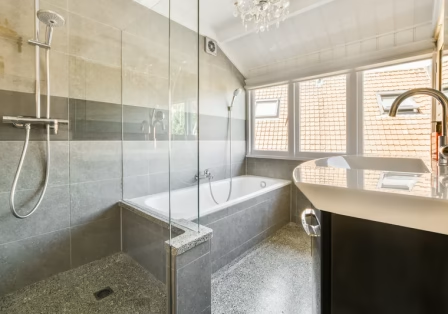
A bathroom renovation in New Orleans costs $2,500 to $50,000 or more in 2026 depending on scope, materials, and whether the project involves plumbing relocation. Big EZ Renovations handles bathroom...
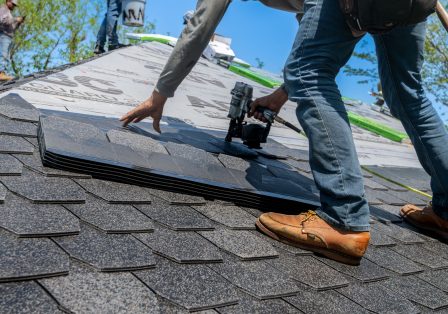
Quick Summary A New Orleans roof with isolated damage on a single section and fewer than 15 years of service can usually be repaired rather than replaced. Big Easy Renovations, licensed by the Lou...

Big EZ Renovations applies professional roof coatings across Greater New Orleans, and the cost ranges from $0.50 to $7.00 per square foot installed in 2026 depending on the coating type, roof size,...
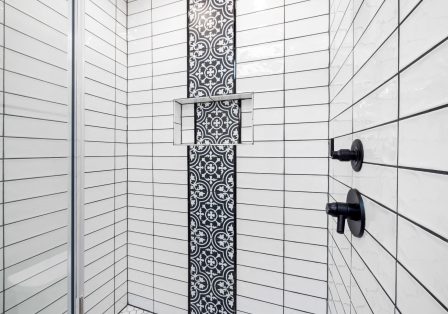
Quick Summary Bathroom renovation in New Orleans, Louisiana requires a permit from the Orleans Parish Department of Safety and Permits before any plumbing, electrical, or structural work begins. M...
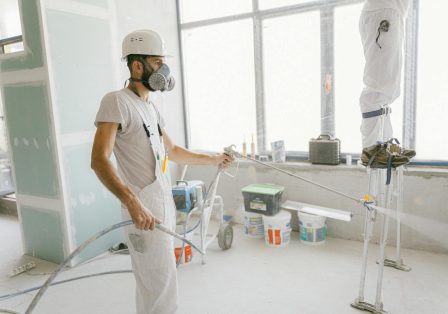
Quick Summary Cellulose insulation absorbs moisture from New Orleans's ambient humidity, compresses over time, and loses the R-value it was installed to deliver, making it a poor long-term choice ...
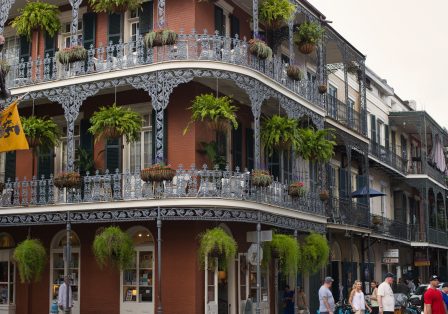
What You Need to Know Big Easy Renovations fabricates and installs custom ironwork across New Orleans, Louisiana, Metairie, Kenner, and the surrounding parishes, including balcony railings, iron f...
 By BigEZRenovations
 0 Comment
 Nov 3, 2026
 By
BigEZRenovations
 0 Comments