

Opening Hours Mon - Fri: 8:00 AM - 3:00 PMSat - Sun: Closed
New Orleans’ Trusted Renovation Experts — Transform Your
Home with Confidence- Get Your Free Estimate
Opening Hours Mon - Fri: 8:00 AM - 3:00 PMSat - Sun: Closed

Talk to an Expert504-294-8616
Opening Hours Mon - Fri: 8:00 AM - 3:00 PMSat - Sun: Closed

What You Need to Know
Custom ironwork in New Orleans, Louisiana costs $40 to $80 per linear foot for ornamental iron fencing and $120 to $300 per linear foot for balcony and gallery railings installed, based on 2026 Greater New Orleans market figures. Big Easy Renovations fabricates and installs custom ironwork across Greater New Orleans and surrounding parishes, including balcony railings, iron fencing, driveway gates, and ornamental features for residential and commercial properties, and holds Louisiana State Licensing Board for Contractors (LSLBC) Residential Contractor License #890459 and Commercial Contractor License #3667. Properties within any of the 14-plus historic districts governed by the Historic District Landmarks Commission (HDLC) in Orleans Parish require a Certificate of Appropriateness (COA) before exterior ironwork is installed or altered. Hot-dip galvanizing under powder coat is the recommended finish for Greater New Orleans ironwork because IECC Climate Zone 2A conditions, including high humidity, salt air, and Gulf Coast heat cycling, corrode bare or paint-only finishes within a few seasons.
Last Updated: October 2026
Custom ironwork in New Orleans, Louisiana costs more than comparable fabrication in most other U.S. cities because the city’s subtropical humidity, salt air, Gulf Coast wind loads, and historic district design controls all shape what gets built, how it gets installed, and what permits must be pulled before work begins. Big Easy Renovations handles custom ironwork fabrication and installation across Greater New Orleans and surrounding parishes, including Orleans Parish, Jefferson Parish, and St. Tammany Parish, under LSLBC Residential Contractor License #890459 and Commercial Contractor License #3667.
The ornamental metalwork that defines the French Quarter, the Garden District, and the Marigny streetscape dates to the early 1800s, and that legacy shapes what the Historic District Landmarks Commission expects from new and restored ironwork today. Most homeowners planning a railing or fence project underestimate how much the Certificate of Appropriateness process affects their timeline, or how much New Orleans climate conditions determine which finishes hold up beyond a few seasons. Big Easy Renovations brings fabrication expertise and direct knowledge of the local permit process to every ironwork project, so property owners do not have to coordinate those elements separately.
Understanding what fabrication actually costs, what design controls apply in regulated neighborhoods, and how coastal Louisiana conditions affect material and finish performance helps property owners plan accurately before signing a contract.
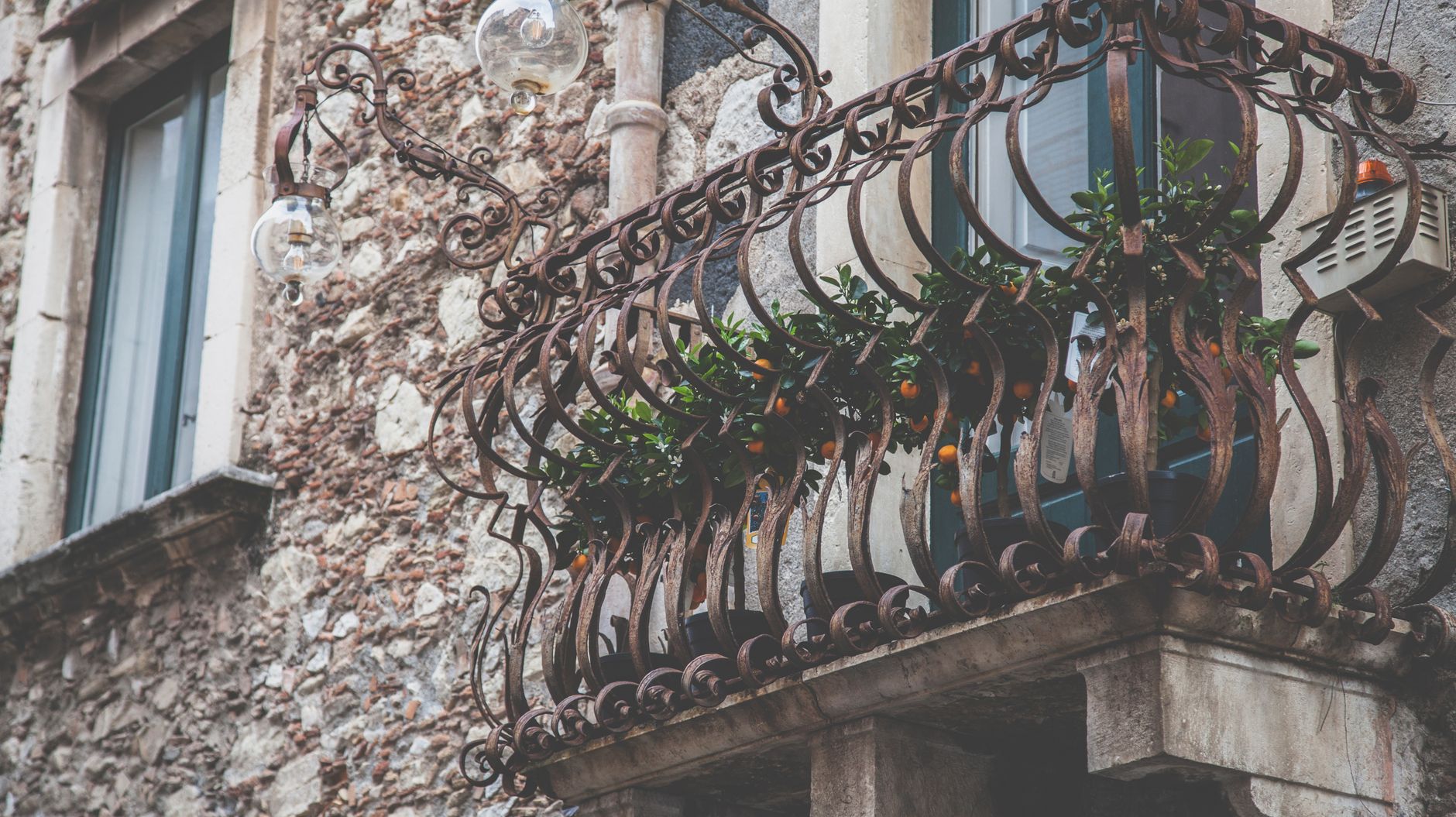
Ornamental iron fencing in Greater New Orleans runs $40 to $80 per linear foot installed for standard designs, based on 2026 Louisiana market figures from local fabricators. Balcony and gallery railings run $120 to $300 per linear foot installed, depending on structural attachment requirements and design complexity. Gates, driveway entrances, and ornamental panel features are priced per project because design scope and hardware drive cost independently of running length.
Fencing costs vary because design range is wide. A simple spike-top iron fence set into a low masonry chain wall, which the HDLC Design Guidelines describe as a common pattern in Orleans Parish historic neighborhoods, costs less per foot than a fence with cast panel inserts, finials, or scrollwork that matches existing historic fabric. Material weight also matters: heavier gauge rod stock requires more welding time and adds to the cost of shipping fabricated assemblies to a galvanizer before installation.
Balcony and gallery railings carry higher per-foot costs because they involve more structural complexity. Exterior railings on a raised cottage in the Irish Channel or a double shotgun in the Seventh Ward must meet Orleans Parish building load requirements, which means anchor bolt specifications, post depth, and connection detail all affect fabrication scope. A railing that matches another in running length can differ significantly in total cost depending on how it anchors to the existing gallery framing and whether that framing needs reinforcement before installation.
Interior stair railings cost less than exterior railings of comparable length because they are not exposed to the coastal environment and do not require the same finish system. Custom interior railings on pier-and-beam New Orleans homes typically run $80 to $180 per linear foot installed, depending on design complexity.
Most of the decorative metalwork in New Orleans is cast iron, not wrought iron, despite the widespread use of the term “wrought iron” for historic New Orleans ironwork. Cast iron is poured into molds and can reproduce complex naturalistic motifs, such as the acorn, grape, and rosette patterns seen on French Quarter galleries. Wrought iron is hand-forged, produces simpler linear designs, and predates cast iron’s rise to dominance in the city.
The Preservation Resource Center of New Orleans notes that Leeds Iron Foundry, established in 1825, was the first local cast iron foundry, and that the shift from wrought to cast iron was so complete by the mid-19th century that property owners tore out existing wrought ironwork to replace it with cast iron. Surviving Spanish-period wrought ironwork includes the balconies at the Cabildo, attributed to the blacksmith Marcellino Hernandez, and the ironwork at the Bosque House, built in 1795, which the Vieux Carre Commission considers among the finest Spanish-period pieces in the French Quarter.
Many older fences in Greater New Orleans combine both materials: straight wrought rod sections connected to cast iron post caps, panel inserts, or decorative spearheads. Contemporary ironwork fabricators in the area work primarily in mild steel, which is more economical and widely available than historical wrought iron but requires the same finish system to survive the coastal environment. Property owners planning restoration work in HDLC-regulated districts should confirm whether the existing ironwork is cast or wrought before specifying replacement or extension pieces, since the fabrication process differs and the HDLC may have specific expectations about material compatibility on rated structures. BigEZ’s ironwork team handles this assessment as part of the project planning process, in the same way the team approaches wrought iron gate restoration and historic district compliance in New Orleans.
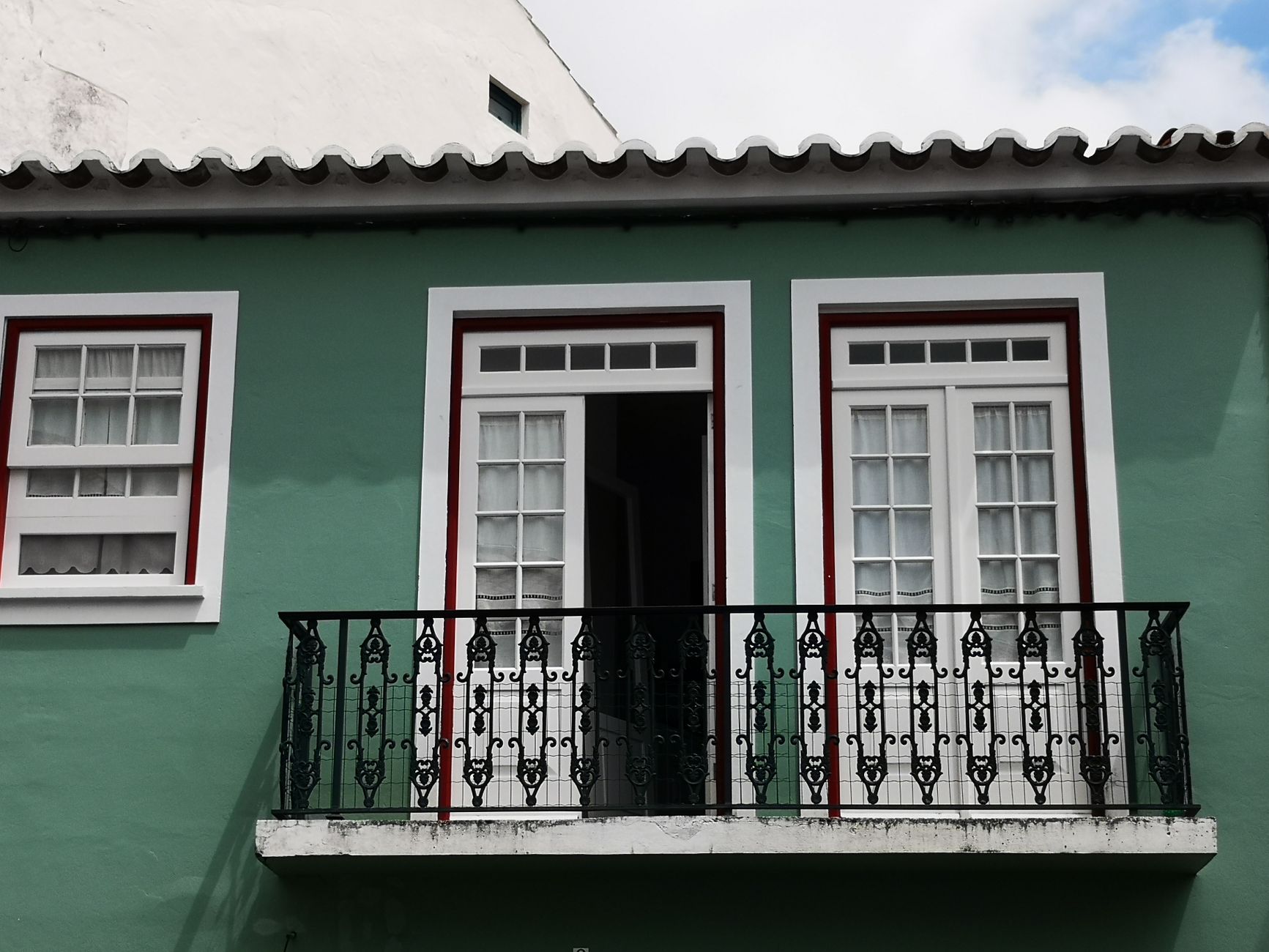
Ironwork in Orleans Parish requires two separate approvals when the property is in an HDLC-regulated historic district: a Certificate of Appropriateness from the Historic District Landmarks Commission, and a building permit from the Orleans Parish Department of Safety and Permits for fences over six feet in height. Front-yard fences in most residential zones are limited to four feet in height under current New Orleans zoning. Both the COA and the building permit must be in hand before work begins.
The HDLC ExpressLane program processes Certificates of Appropriateness for fencing, handrails, and security bars within one to three business days when the proposed work meets the HDLC Design Guidelines for site elements. Work that deviates from those guidelines, or that affects a highly rated historic structure, goes through standard HDLC review and takes longer. Properties in the French Quarter fall under the Vieux Carré Commission (VCC) rather than the HDLC, and the VCC runs its own review process for exterior alterations including ironwork.
Properties in Jefferson Parish, including Metairie, Kenner, and Gretna, do not require HDLC approval and use Jefferson Parish Inspection and Code Enforcement for permits. St. Tammany Parish communities, including Mandeville, Covington, and Slidell, use St. Tammany Parish Permits and Inspections. Big Easy Renovations manages permit documentation and COA applications as part of the project timeline for clients across all parishes in its service area, so the approval sequence does not fall to the homeowner to coordinate separately.
Hot-dip galvanizing under powder coat is the most durable finish system for custom ironwork in Greater New Orleans. An architectural study on New Orleans-area metalwork concludes that hot-dip galvanized steel provides the strongest corrosion protection for coastal marine environments. Powder coat applied over a galvanized base adds UV and scratch resistance without blocking the zinc layer’s electrochemical protection against rust formation underneath.
IECC Climate Zone 2A, which covers Greater New Orleans and surrounding parishes, combines annual humidity that averages above 70 percent, salt air from the Gulf of Mexico and Lake Pontchartrain, and summer heat cycling that breaks down paint-only and bare metal finishes within a few seasons. Traditional bare or lightly painted ironwork in New Orleans shows rust within two to three years in most residential applications. The Preservation Resource Center’s documentation of the city’s historic ironwork shows evidence of multiple repainting cycles over service lives measured in decades, reflecting how aggressively the coastal environment attacks unprotected ferrous metal.
AZZ Galvanizing operates a facility in Port Allen, Louisiana, near Baton Rouge, equipped to process fabricated ironwork assemblies for the Greater New Orleans market. Fabricators building ironwork for Louisiana coastal applications typically design connections and weld profiles to avoid crevices where galvanizing coverage becomes inconsistent, because any area that receives incomplete zinc coverage becomes a rust entry point regardless of the powder coat applied over it. Planning the finish system before fabrication begins, rather than as an afterthought, is the approach that produces the longest service life in the New Orleans environment. Property owners who want to understand how climate conditions affect exterior materials more broadly, including how New Orleans humidity affects exterior painting schedules, can apply the same Zone 2A reasoning to ironwork finish selection.
The five main categories of custom ironwork commissioned in Greater New Orleans are:
Homeowners in Metairie, Kenner, Gretna, and other Jefferson Parish communities, as well as in Mandeville, Covington, and Slidell in St. Tammany Parish, commission the same ironwork types without HDLC requirements. Those projects use parish-level permitting and the same finish system recommendations for coastal Louisiana exposure.
How much does iron fencing cost per linear foot in New Orleans?
Ornamental iron fencing in Greater New Orleans costs $40 to $80 per linear foot installed for standard designs, based on 2026 Louisiana market figures. Complex custom designs, heavier gauge stock, or projects in HDLC-regulated historic districts that require design-compliant fabrication add to the base range and vary by specific project scope.
Do I need an HDLC permit for ironwork on my New Orleans property?
Properties in any of the 14-plus HDLC-regulated historic districts in Orleans Parish require a Certificate of Appropriateness before exterior ironwork is installed or changed. The HDLC ExpressLane program processes applications for fencing and handrails in one to three business days when the work meets the HDLC Design Guidelines. A separate building permit from the Orleans Parish Department of Safety and Permits is also required for fences over six feet.
What is the difference between cast iron and wrought iron in New Orleans architecture?
Cast iron is poured into molds and features complex naturalistic motifs such as grapes, acorns, and rosettes, while wrought iron is hand-forged and produces simpler linear patterns. Most decorative ironwork in New Orleans is cast iron, which became dominant after Leeds Iron Foundry opened in 1825. Surviving Spanish-period wrought ironwork, including the Cabildo balconies, remains in the French Quarter.
What finish best protects iron railings in New Orleans’ climate?
Hot-dip galvanizing under powder coat provides the most durable protection for ironwork in New Orleans’ coastal environment. IECC Climate Zone 2A conditions, including high humidity, Gulf Coast salt air, and summer heat cycling, degrade paint-only and bare metal finishes within a few seasons. The zinc layer from hot-dip galvanizing offers electrochemical rust protection that powder coat alone does not provide.
Does Big Easy Renovations handle ironwork in Metairie and Jefferson Parish?
Big Easy Renovations fabricates and installs custom ironwork across Greater New Orleans, including Jefferson Parish communities such as Metairie, Kenner, and Gretna, and St. Tammany Parish communities including Mandeville, Covington, and Slidell. Jefferson Parish Inspection and Code Enforcement handles permits for Jefferson Parish projects, and HDLC historic district requirements do not apply outside Orleans Parish.
Can new ironwork be added to a historic New Orleans property without changing its character?
New ironwork on rated structures in HDLC-regulated districts must be compatible in material, scale, and design with the existing historic fabric of the building and the block. The HDLC Design Guidelines support new ironwork that respects the character of the district without requiring exact replication of historic designs. Simple, period-appropriate designs submitted through the HDLC ExpressLane can receive approval in one to three business days.
Ready to move forward on an ironwork project? Call Big Easy Renovations at (504) 294-8616 to discuss fabrication options, finish specifications, and permit requirements specific to your property. The team handles custom ironwork from design through installation across New Orleans, Metairie, and the surrounding parishes, including HDLC coordination for historic district properties and commercial ironwork under License #3667.
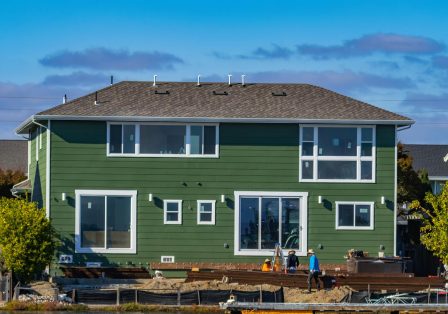
Quick Summary Fiber cement siding, commonly called Hardie board after the James Hardie brand, is the strongest performer for New Orleans homes because it resists hurricane-force winds above 150 mp...
Quick Summary Bathroom renovation in New Orleans, Louisiana requires a permit from the Orleans Parish Department of Safety and Permits before any plumbing, electrical, or structural work begins. M...
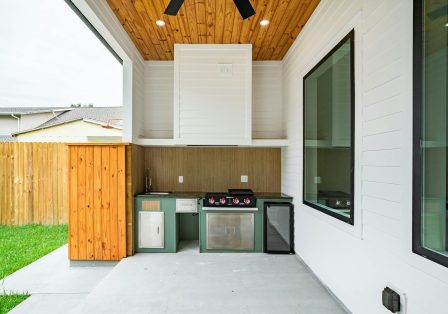
Quick Summary Planning an outdoor kitchen in New Orleans means designing for IECC Climate Zone 2A, a hot-humid environment that receives 61 inches of rain each year and exposes every outdoor surfa...
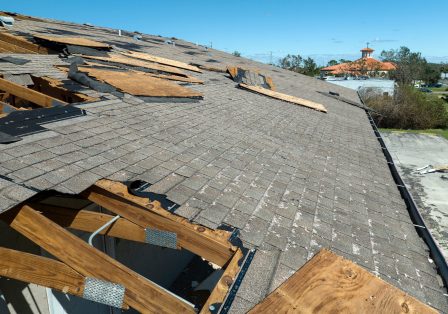
After hurricane roof damage in New Orleans, your first priorities are personal safety, preventing further water intrusion, and documenting everything before you touch it. Tarp exposed areas, photog...
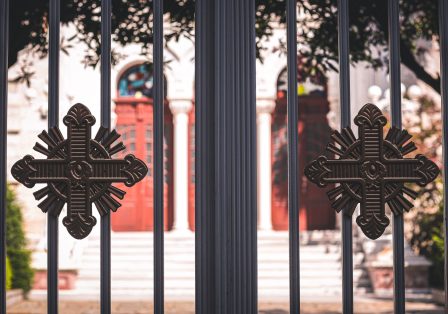
Quick Summary Ornamental iron gates are a defining feature of New Orleans architecture, but the city’s hot-humid climate, classified as IECC Climate Zone 2A, and annual average humidity of 7...
New Orleans homes lose paint adhesion fastest on walls that trap moisture behind the coating, and the culprit is almost always vapor rather than a bad paint job. Big EZ Renovations, licensed by the...
 By BigEZRenovations
 0 Comment
 Oct 27, 2026
 By
BigEZRenovations
 0 Comments