

Opening Hours Mon - Fri: 8:00 AM - 3:00 PMSat - Sun: Closed
New Orleans’ Trusted Renovation Experts — Transform Your
Home with Confidence- Get Your Free Estimate
Opening Hours Mon - Fri: 8:00 AM - 3:00 PMSat - Sun: Closed

Talk to an Expert504-294-8616
Opening Hours Mon - Fri: 8:00 AM - 3:00 PMSat - Sun: Closed

Quick Summary
Bathroom renovation in New Orleans, Louisiana requires a permit from the Orleans Parish Department of Safety and Permits before any plumbing, electrical, or structural work begins. Most mid-range projects in Orleans Parish run between $12,000 and $30,000, and demolition regularly uncovers hidden costs including subfloor rot, galvanized supply lines past their service life, and Formosan termite damage in floor joists. Big Easy Renovations, licensed by the Louisiana State Licensing Board for Contractors (LSLBC) under Residential License #890459, handles bathroom renovation across Greater New Orleans and surrounding parishes, coordinating permits, licensed trades, and material selection suited to IECC Climate Zone 2A conditions, so homeowners know what to expect before demo day rather than after.
Last Updated: August 2026
Bathroom renovation in New Orleans requires a set of planning decisions that homeowners in drier markets rarely face. The Orleans Parish Department of Safety and Permits requires a permit before any plumbing moves, electrical upgrades, or structural changes start, and many older homes across the metro area carry hidden conditions behind walls and beneath floors that only surface during demolition. Big Easy Renovations manages bathroom renovations across New Orleans and the surrounding parishes, handling permitting, licensed trade coordination, and material selection appropriate for the city’s subtropical climate, so the scope of work is understood before the first wall comes down.
Big Easy Renovations regularly encounters conditions on demo day, including rotted subfloors, outdated galvanized pipes, and Formosan termite damage, that stall an unprepared project for weeks. A thorough site assessment, proper permitting, and material choices calibrated to IECC Climate Zone 2A conditions separate a smooth renovation from one that runs over budget from the first day of demo.
Bathroom renovation in Orleans Parish requires a building permit from the Orleans Parish Department of Safety and Permits for any work involving plumbing relocation, electrical changes, or structural modifications. Permit fees run $60 base plus $5 per $1,000 of construction value, with most bathroom remodel permits ranging from $150 to $600. Licensed plumbers and electricians each pull their own separate trade permits alongside the building permit, and all applications submit through the NolaPermit online portal at nola.gov/safety-and-permits.
Standard residential projects typically process in 10 to 15 business days. Properties in one of the 14-plus Historic District Landmarks Commission (HDLC) districts, including the Marigny, Treme, Bywater, Mid-City, and Uptown, carry a 50 percent surcharge on all permit fees and review costs. The Vieux Carré Commission (VCC) holds jurisdiction over French Quarter properties and applies similar review requirements. Properties under HDLC full-control designation may also require design review before a building permit issues, even when the renovation scope is limited to interior work.
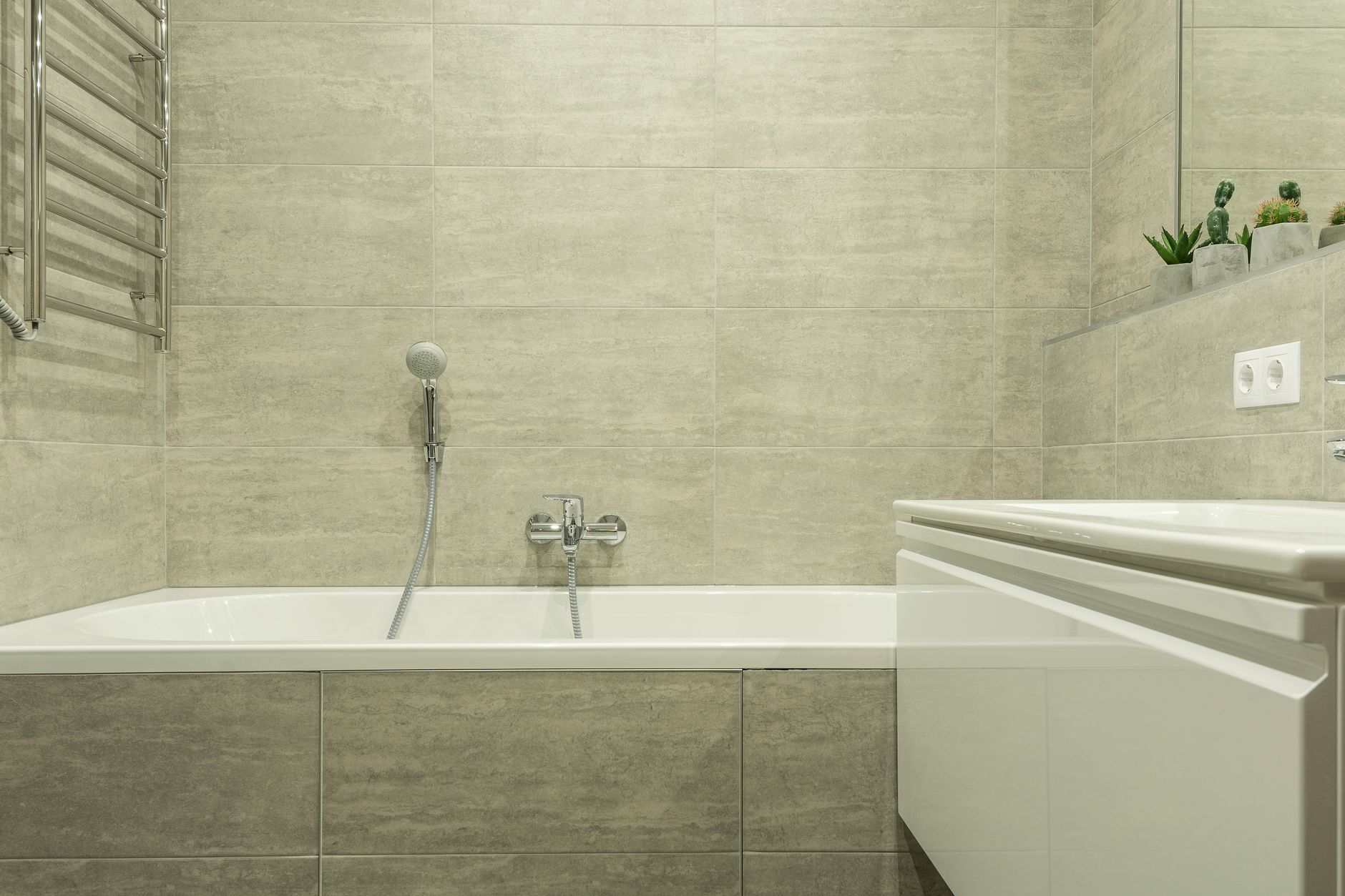
Projects that move a toilet, add a shower, or relocate drain lines trigger a separate plumbing permit through the Orleans Parish renovation permit portal in addition to the building permit. Electrical permits cover new circuit installations, panel upgrades, and GFCI outlet additions that code requires near water sources in bathrooms. A licensed contractor coordinates all three permit types so homeowners manage a single project rather than separate applications and inspection schedules with different review queues.
Bathroom renovation costs in Orleans Parish range from about $3,200 for a cosmetic-only update to $60,000 or more for a full gut renovation with layout changes, premium fixtures, and custom tile work. The average mid-range project in New Orleans runs $12,000 to $30,000 in 2026, reflecting permit requirements, licensed trade mandates, and the higher likelihood of hidden structural conditions in the city’s older housing stock compared to newer-construction markets.
| Renovation Scope | Typical Cost Range | What It Typically Includes |
|---|---|---|
| Cosmetic refresh | $2,400 to $6,200 | Vanity swap, toilet, paint, fixtures, no plumbing moves |
| Standard renovation | $6,500 to $15,000 | New tile, vanity, tub or shower surround, fixtures, lighting |
| Mid-range renovation | $15,000 to $30,000 | Full tile, plumbing updates, custom vanity, niche, lighting upgrade |
| Full gut renovation | $30,000 to $60,000+ | Layout change, pipe replacement, walk-in shower, premium fixtures |
These ranges do not account for hidden conditions found during demolition. Pre-1970 homes in New Orleans average at least one significant hidden condition per project, and experienced contractors build a 15 to 20 percent contingency into the budget before demo begins rather than presenting repair costs as mid-project change orders.
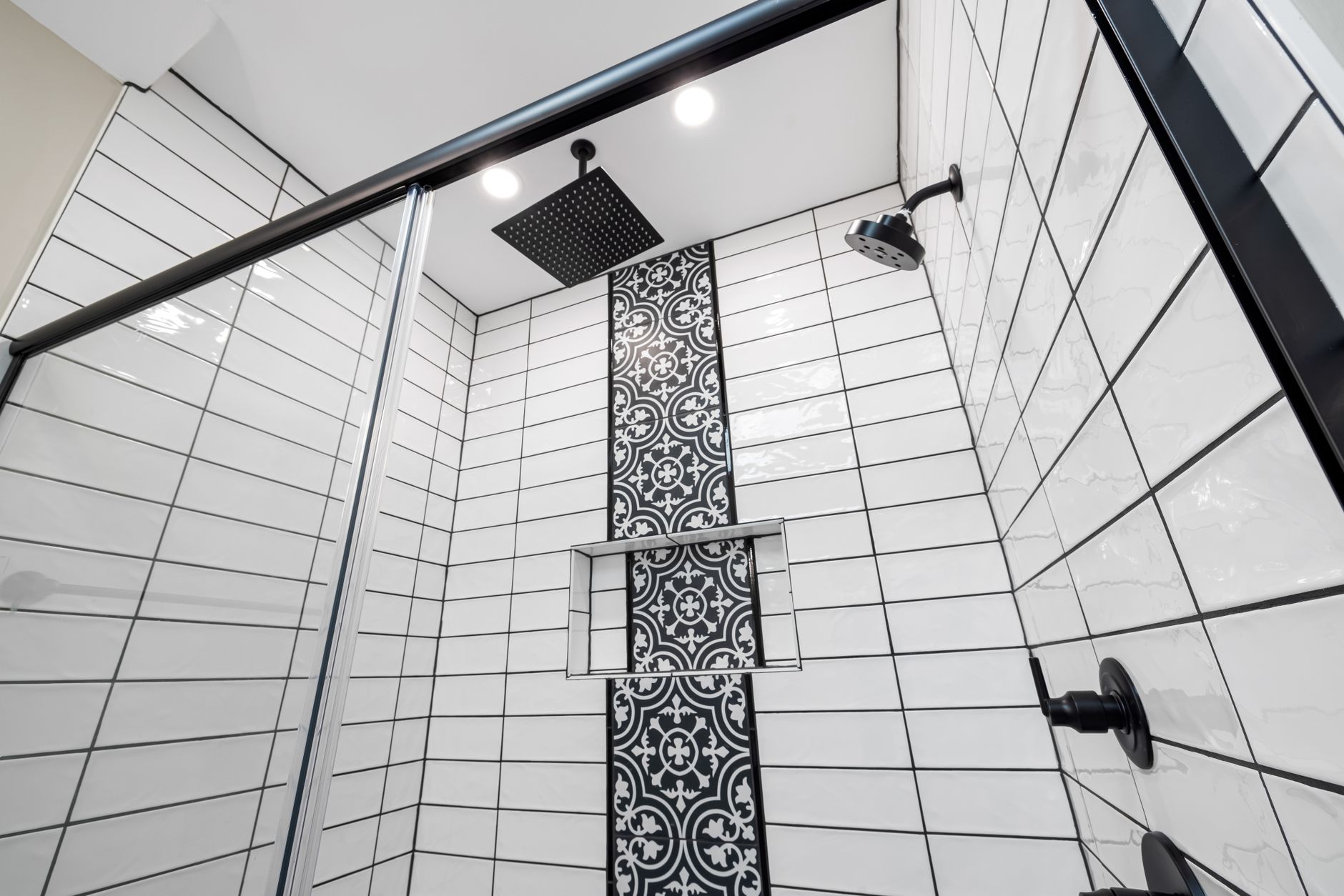
Four categories of hidden conditions appear most frequently during bathroom demolition in New Orleans: subfloor rot from long-term moisture, galvanized supply lines corroded past their service life, cast iron drain stack deterioration, and Formosan termite damage in floor joists. Pre-1970 homes across Orleans Parish and Jefferson Parish average at least one of these conditions per project, and a pre-demo moisture inspection identifies most of them before the renovation budget is locked.
Subfloor rot is the most common discovery. A failed toilet wax ring, a cracked shower pan, or condensation from an undersized exhaust fan can saturate the subfloor assembly for years before any visible sign appears from above. Replacement costs $3.75 to $7 per square foot, with joist sistering or replacement adding $300 to $1,500 per affected joist. Catching rot during the pre-demo assessment allows the contractor to price the full repair upfront rather than halt installation work mid-project.
New Orleans sits in one of the most heavily infested regions in North America for Formosan subterranean termites, an aggressive species introduced to the United States through the Port of New Orleans after World War II and far more destructive than native subterranean termite species. During bathroom demolition on pre-1980 homes in Orleans Parish, Jefferson Parish, and St. Tammany Parish, contractors frequently find active Formosan colonies or prior termite damage in the subfloor joists, particularly in pier-and-beam homes where the crawl space provides the warm, humid, wood-contact conditions these termites favor. Remediation and structural repair for Formosan termite damage typically adds $2,000 to $8,000 to a renovation project before any finish work can start. A licensed pest inspection before the renovation start date is the most direct way to surface this risk before the budget is set.
Galvanized steel supply lines in homes built before 1970 corrode from the inside, narrowing flow and reducing water pressure long before any exterior sign appears. Opening bathroom walls during renovation reveals the full extent of the corrosion, and replacement of the bathroom’s share of the supply plumbing runs $1,500 to $4,000 depending on how far the work extends into the crawl space or adjacent walls. Homeowners planning to remodel a kitchen in an older New Orleans home face the same galvanized pipe decisions when walls open during that project, and batching bathroom and kitchen renovation permits into a single project window often reduces total trade costs.
IECC Climate Zone 2A, the hot-humid zone covering Greater New Orleans and surrounding parishes in southeast Louisiana, requires waterproofing and moisture control approaches that differ significantly from what standard renovation resources recommend. The most consequential difference is vapor retarder placement: in Zone 2A, vapor retarders in bathroom wall assemblies belong on the interior side of the insulation, which is the warm-in-winter side. Contractors who apply cold-climate installation patterns in New Orleans bathrooms trap outdoor humidity inside the wall cavity and create chronic mold conditions within months of renovation completion.
Porcelain tile with a water absorption rate below 0.5 percent performs significantly better in New Orleans’ high-humidity environment than standard ceramic or natural stone tile. The metro area averages above 70 percent relative humidity for most of the year, and porous tile holds that moisture against the grout and backer board assembly, degrading the substrate and accelerating mold growth. Cement backer board on wet walls outperforms standard gypsum drywall, and a sheet-applied waterproof membrane on shower pans and the lower four feet of shower walls provides a second moisture barrier that compensates for grout failure over time. These same Zone 2A moisture principles apply across the home, and the reasoning behind choosing the right insulation for New Orleans humidity is closely related to the decisions that determine how long bathroom wall assemblies hold up in the city’s climate.
Exhaust ventilation is the third pressure point. Many New Orleans bathrooms, particularly in shotgun houses and Creole cottages in the Seventh Ward, Ninth Ward, and Mid-City, have fans vented into the attic rather than to the exterior. Building code requires exhaust ventilation in bathrooms without operable windows, but older installations in these neighborhoods frequently route exhaust into the attic assembly instead of removing it from the home. Correcting this during active renovation, by running exhaust duct to an exterior wall penetration or roof cap, costs far less than addressing it as a standalone repair after finish work is complete.
Pier-and-beam foundations, common across pre-1950 construction in Orleans Parish, Jefferson Parish, and much of the New Orleans metro, change how plumbing work is scoped and priced in a bathroom renovation. Unlike slab-on-grade homes, pier-and-beam homes allow plumbers to access drain and supply lines from the crawl space below the floor rather than requiring saw-cut demolition through concrete. This access can reduce the cost of moving a toilet or reconfiguring drain lines, but it also means any existing rot, termite damage, or plumbing deterioration in the crawl space becomes part of the renovation scope when floors open.
Shotgun house bathroom layouts add a planning constraint that homeowners often underestimate before renovation starts. The narrow, linear floor plan of a New Orleans shotgun house limits realistic drain-line moves without re-routing significant sections of the drain stack, which raises cost and project duration. Adding a second sink or converting a tub-only bath to a walk-in shower requires a plumbing plan before any design decisions are finalized, because discovering mid-project that a planned fixture location conflicts with the structural or drain stack reality of the home creates schedule delays and unplanned costs. The same moisture conditions that affect bathroom assemblies in older homes also determine how long interior paint holds in New Orleans, and the factors that cause interior paint to peel in New Orleans homes are directly relevant to surface prep and primer selection for newly renovated bathroom walls.
Do I need a permit to renovate a bathroom in New Orleans?
The Orleans Parish Department of Safety and Permits requires a building permit for bathroom renovations involving plumbing changes, electrical work, or structural modifications. Licensed plumbers and electricians pull separate trade permits. Cosmetic updates that do not relocate drain lines or open wall cavities may not require a permit, but any work that moves fixtures or opens walls does.
How long does a bathroom renovation in New Orleans take from start to finish?
A standard bathroom renovation in New Orleans takes four to eight weeks from permit approval to final inspection. Orleans Parish permit processing alone runs 10 to 15 business days. Projects in HDLC-regulated districts, including the Marigny, Treme, and Bywater, can run longer when design review is required before the building permit issues.
What is the most common hidden cost in a New Orleans bathroom remodel?
Subfloor rot is the most frequent discovery during bathroom demolition in New Orleans, followed by galvanized supply line deterioration in homes built before 1970. Subfloor repair costs $3.75 to $7 per square foot, with joist replacement adding $300 to $1,500 per affected joist. A pre-demolition moisture inspection surfaces most of these issues before the project budget is finalized.
Does the HDLC affect bathroom renovation in New Orleans historic districts?
The Historic District Landmarks Commission (HDLC) primarily regulates exterior alterations to properties in its 14-plus districts, including the Marigny, Treme, Bywater, Mid-City, and Uptown. Interior bathroom renovation in HDLC districts typically does not require HDLC design review, but all permitted work carries a 50 percent surcharge on Orleans Parish permit fees, and full-control properties may require review for interior changes affecting the structure’s historic character.
Can Big Easy Renovations handle bathroom renovation permits in New Orleans?
Yes. Big Easy Renovations, licensed by the Louisiana State Licensing Board for Contractors under Residential License #890459 and Commercial License #3667, coordinates all building permits, trade permits, and inspection scheduling for bathroom renovation projects across Greater New Orleans, Metairie, Kenner, Slidell, Mandeville, and surrounding parishes. Reaching out to schedule an on-site assessment starts the permit and design process.
Ready to move forward? Call Big Easy Renovations at (504) 294-8616 to walk through your bathroom renovation before demo day. The team covers permitting, licensed trade coordination, material selection for Zone 2A conditions, and the full scope of interior renovation across New Orleans, Metairie, Kenner, Gretna, and surrounding parishes in southeast Louisiana.

Ever wondered which room in your home could give you the best return on investment when renovated? You’re not alone. Home renovation is a consistent priority for New Orleans homeowners, many...
Roof repair in New Orleans typically costs $150 to $1,500 for minor repairs like patching leaks or replacing a few shingles. More extensive repairs involving water damage or structural issues range...
Quick Summary Cellulose insulation absorbs moisture from New Orleans's ambient humidity, compresses over time, and loses the R-value it was installed to deliver, making it a poor long-term choice ...
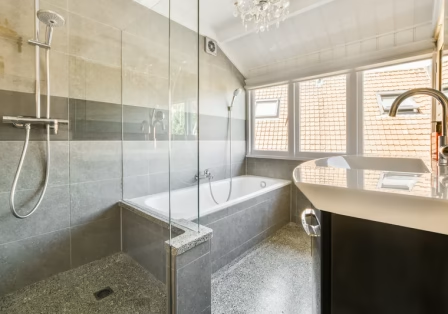
A bathroom renovation in New Orleans costs $2,500 to $50,000 or more in 2026 depending on scope, materials, and whether the project involves plumbing relocation. Big EZ Renovations handles bathroom...

Big EZ Renovations applies professional roof coatings across Greater New Orleans, and the cost ranges from $0.50 to $7.00 per square foot installed in 2026 depending on the coating type, roof size,...

What You Need to Know Composite decking outlasts pressure-treated wood by 15 to 35 years in New Orleans’ hot-humid subtropical climate, and it does so without the annual sealing, staining, o...
 By BigEZRenovations
  0 Comment
  Aug 11, 2026
  By
BigEZRenovations
By
BigEZRenovations  0 Comments