

Opening Hours Mon - Fri: 8:00 AM - 3:00 PMSat - Sun: Closed
New Orleans’ Trusted Renovation Experts — Transform Your
Home with Confidence- Get Your Free Estimate
Opening Hours Mon - Fri: 8:00 AM - 3:00 PMSat - Sun: Closed

Talk to an Expert504-294-8616
Opening Hours Mon - Fri: 8:00 AM - 3:00 PMSat - Sun: Closed

Quick Summary
Big Easy Renovations helps homeowners across Orleans Parish, Jefferson Parish, and St. Tammany Parish choose between composite and wood decking for backyard builds in New Orleans. Composite decking, made from wood fiber bonded with polymer, resists the Formosan subterranean termites and constant humidity of IECC Climate Zone 2A far better than natural lumber, which typically lasts 10 to 15 years here against 20 to 25 years or more for composite. Wood decking costs less to install, often $25 to $40 per square foot compared to $40 to $80 per square foot for composite, but needs resealing every one to three years to fight rot and mold. Louisiana’s State Uniform Construction Code requires a permit for any deck over 200 square feet, taller than 30 inches above grade, or attached to the house with a ledger board, and homes inside Historic District Landmarks Commission (HDLC) boundaries need a Certificate of Appropriateness even when the deck itself is otherwise exempt. Both decking materials get built and permitted under Louisiana State Licensing Board for Contractors (LSLBC) Residential Contractor License #890459 for homeowners across Greater New Orleans.
Last Updated: July 2026
Composite decking generally outlasts wood decking in New Orleans by close to ten years, mainly because it resists the Formosan subterranean termites and year-round humidity that break down natural lumber across IECC Climate Zone 2A. Big Easy Renovations, an LSLBC dual-licensed contractor serving Orleans, Jefferson, and St. Tammany parishes, builds decks in both materials and walks homeowners through the tradeoff between wood’s lower upfront cost and composite’s lower lifetime cost. A wood deck built with pressure-treated lumber typically needs resealing every one to three years and full replacement within 10 to 15 years in this climate, while composite decking from brands like Trex or TimberTech carries structural warranties running 25 to 50 years. The right choice depends on budget, how long the homeowner plans to stay, and whether the property sits inside a historic district or a flood zone that adds permitting steps.
Most homeowners weighing wood against composite are really balancing three things at once: what they can spend today, how much upkeep they want to take on, and how the local climate treats each material over a ten to twenty year window. A contractor who handles roofing, siding, and outdoor construction under one roof, such as a full-service renovation team working across Greater New Orleans, can often catch drainage or foundation issues during a deck consultation that a single-trade deck builder would miss, especially on the raised pier-and-beam foundations common in older New Orleans homes.
Composite decking lasts longer than wood decking in New Orleans, typically 20 to 25 years or more against 10 to 15 years for a well-maintained wood deck, because composite resists the moisture and pests that wood cannot. Wood is a hygroscopic material, meaning it absorbs and releases humidity from the air, which causes the swelling, cracking, and warping that shorten a wood deck’s life in a hot, humid climate.
Formosan subterranean termites stay active in Orleans Parish and the surrounding metro area year round, with activity accelerating each summer, and a single colony can consume more than a pound of wood in a day. Wood decking gives these termites a direct path into deck boards, railings, and support posts, and damage often goes unnoticed until the wood is structurally compromised. Composite decking contains little to no cellulose, the substance termites feed on, which makes it a poor food source and a common choice for homeowners rebuilding after termite or storm damage.
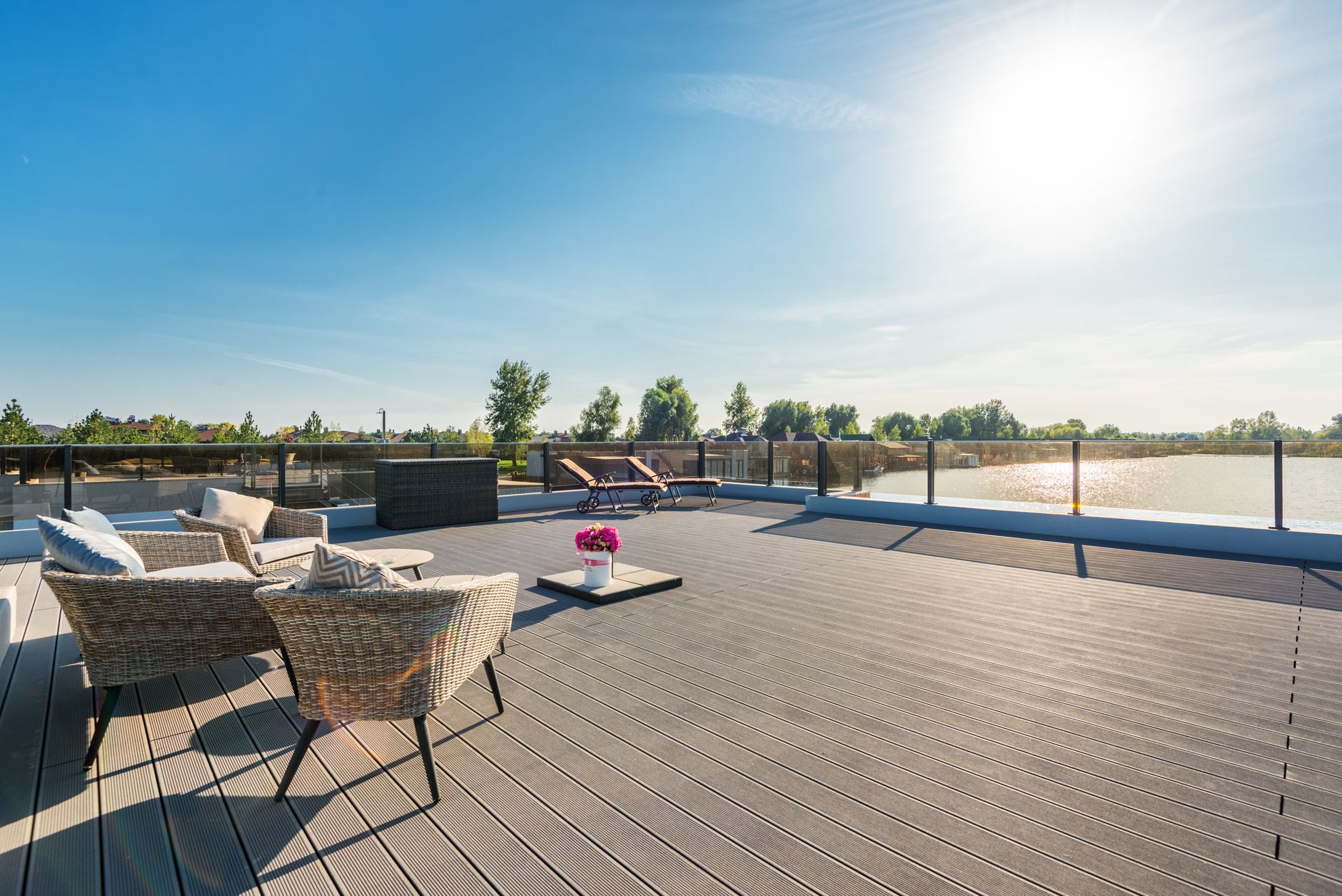
Composite decking costs more upfront than wood, usually $40 to $80 per square foot installed compared to $25 to $40 per square foot for a pressure-treated wood deck, but composite closes much of that gap over time through lower maintenance. Homeowners planning a long-term outdoor living space, including one built alongside a new kitchen remodel on a New Orleans shotgun house, often find the lifetime math favors composite even with the higher sticker price.
| Factor | Wood Decking | Composite Decking |
|---|---|---|
| Material cost per sq ft | $3 to $6 | $4 to $16 |
| Installed cost per sq ft | $25 to $40 | $40 to $80 |
| Typical lifespan in New Orleans | 10 to 15 years | 20 to 25+ years |
| Resealing or staining | Every 1 to 3 years | Not required |
| Manufacturer structural warranty | Not typically offered | 25 to 50 years |
Formosan subterranean termites make wood decking a higher risk in Louisiana, since this species is more aggressive than native termites and can cause severe structural damage in as little as six months once a colony establishes itself. Homeowners in Orleans Parish and Jefferson Parish should watch for these warning signs on an existing wood deck.
Most decks in New Orleans need a building permit under Louisiana’s State Uniform Construction Code, which took effect statewide in 2023 and adopted the 2021 International Residential Code with Louisiana amendments. A deck only skips the permit requirement if it meets every exemption at once.
Even an exempt deck still needs a Certificate of Appropriateness from the Historic District Landmarks Commission if the property sits inside the Marigny, Treme, Bywater, Garden District, or one of Orleans Parish’s other 14-plus regulated historic districts. That review runs parallel to the process homeowners navigate for a new wrought iron gate in a historic New Orleans neighborhood, since both fall under HDLC authority over exterior changes. Jefferson Parish Inspection and Code Enforcement and St. Tammany Parish Permits and Inspections handle deck permits for Metairie, Kenner, Mandeville, and Covington under the same statewide thresholds.
Composite decking does get hot in direct New Orleans sun, sometimes reaching 34 to 76 degrees Fahrenheit above the surrounding air temperature, but modern composite is not necessarily hotter than a wood deck in the same spot. Color plays the biggest role in surface temperature, since darker composite boards absorb and hold far more heat than lighter shades regardless of material.
Homeowners building a deck facing south or west, which describes most backyards in Greater New Orleans, can reduce surface heat by choosing a lighter composite color and adding a pergola or shade sail. Wood decking heats up in the same conditions and offers no equivalent light-reflecting color options, since natural lumber only comes in the tones the wood itself produces.
Composite decking needs far less maintenance than wood decking under IECC Climate Zone 2A conditions, since it does not require the sanding, sealing, or restaining that keeps a wood deck from rotting in Gulf Coast humidity. That same humidity is what causes New Orleans homeowners to deal with peeling and blistering on exterior surfaces generally, a problem closely related to the moisture behind interior paint failure in older New Orleans homes.
Homeowners renovating multiple areas of a raised New Orleans home at once, including a bathroom renovation on an older pier-and-beam foundation, often schedule the deck alongside that work since both share similar moisture and access considerations.
Does composite decking need to be sealed or stained?
Composite decking does not need sealing or staining under normal conditions, since the polymer coating around the wood fibers already resists moisture, fading, and staining. Routine cleaning with water and a mild detergent keeps most composite boards looking new for the life of the manufacturer warranty, which commonly runs 25 to 50 years depending on the product line.
Is composite decking worth the extra upfront cost in Louisiana?
Composite decking is worth the extra cost for most Louisiana homeowners who plan to stay in their home more than ten years, since it avoids the recurring resealing costs and termite risk that shorten a wood deck’s life. Homeowners planning to sell within a few years may still prefer wood’s lower installed price.
What color composite decking stays coolest in New Orleans heat?
Lighter composite decking colors, such as sand, driftwood, or gray tones, stay noticeably cooler than dark brown or charcoal boards in direct New Orleans sun. Darker colors can run 20 degrees Fahrenheit or more hotter on the surface during peak summer afternoon exposure.
Do homes in HDLC historic districts need approval for a new deck?
Homes inside Historic District Landmarks Commission boundaries, including the Marigny, Treme, and Bywater, need a Certificate of Appropriateness for a new deck even if the structure is small enough to be exempt from a standard building permit. HDLC reviews the design for compatibility with the historic character of the block.
Can Big Easy Renovations build a deck in a flood zone?
Big Easy Renovations builds decks for homeowners in FEMA-designated flood zones across Greater New Orleans, where elevation and engineering requirements can affect how a deck attaches to the house and how high it sits above grade. Permit and design work for these properties gets coordinated before construction begins.
How long does a wood deck last before it needs full replacement in New Orleans?
A wood deck in New Orleans typically needs full replacement within 10 to 15 years, even with regular resealing, because humidity and Formosan subterranean termite pressure wear down natural lumber faster than in drier climates. Composite decking commonly doubles that lifespan under the same conditions.
Homeowners ready to compare materials in person can reach Big Easy Renovations at (504) 294-8616 to schedule a deck consultation, or start the conversation by requesting a project estimate online. A deck built for New Orleans conditions, in either material, holds up better when it starts with a contractor who has installed both across the parishes it serves, including framing and finishing outdoor decks built to the local climate.
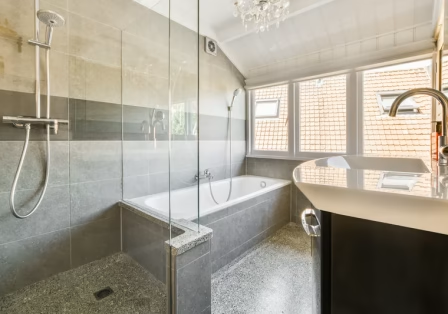
A bathroom renovation in New Orleans costs $2,500 to $50,000 or more in 2026 depending on scope, materials, and whether the project involves plumbing relocation. Big EZ Renovations handles bathroom...
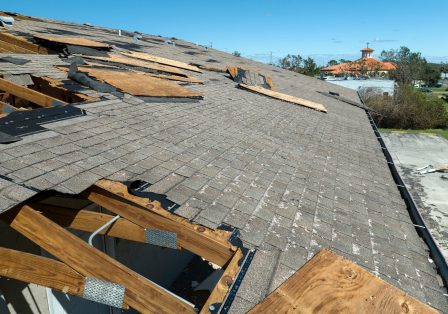
After hurricane roof damage in New Orleans, your first priorities are personal safety, preventing further water intrusion, and documenting everything before you touch it. Tarp exposed areas, photog...

Ever wondered which room in your home could give you the best return on investment when renovated? You’re not alone. Home renovation is a consistent priority for New Orleans homeowners, many...
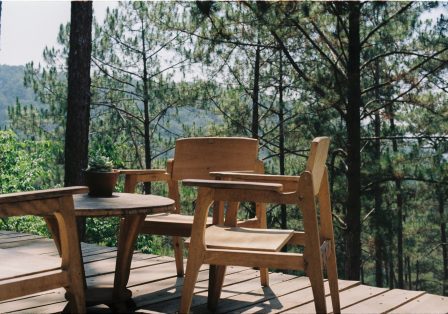
What You Need to Know Composite decking outlasts pressure-treated wood by 15 to 35 years in New Orleans' hot-humid subtropical climate, and it does so without the annual sealing, staining, or rot ...
What You Need to Know In Louisiana's IECC Climate Zone 2A hot-humid environment, composite decking outlasts pressure-treated pine by two to three times, averaging 25 to 30 years of service life co...
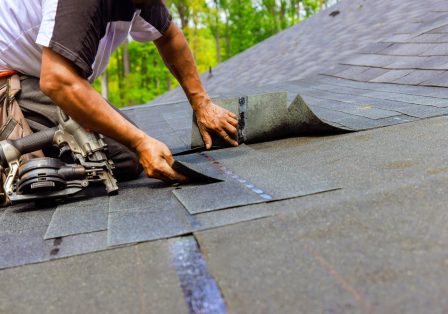
Roof repair in New Orleans typically costs $150 to $1,500 for minor repairs like patching leaks or replacing a few shingles. More extensive repairs involving water damage or structural issues range...
 By BigEZRenovations
  0 Comment
  Jul 7, 2026
  By
BigEZRenovations
By
BigEZRenovations  0 Comments