

Opening Hours Mon - Fri: 8:00 AM - 3:00 PMSat - Sun: Closed
New Orleans’ Trusted Renovation Experts — Transform Your
Home with Confidence- Get Your Free Estimate
Opening Hours Mon - Fri: 8:00 AM - 3:00 PMSat - Sun: Closed

Talk to an Expert504-294-8616
Opening Hours Mon - Fri: 8:00 AM - 3:00 PMSat - Sun: Closed

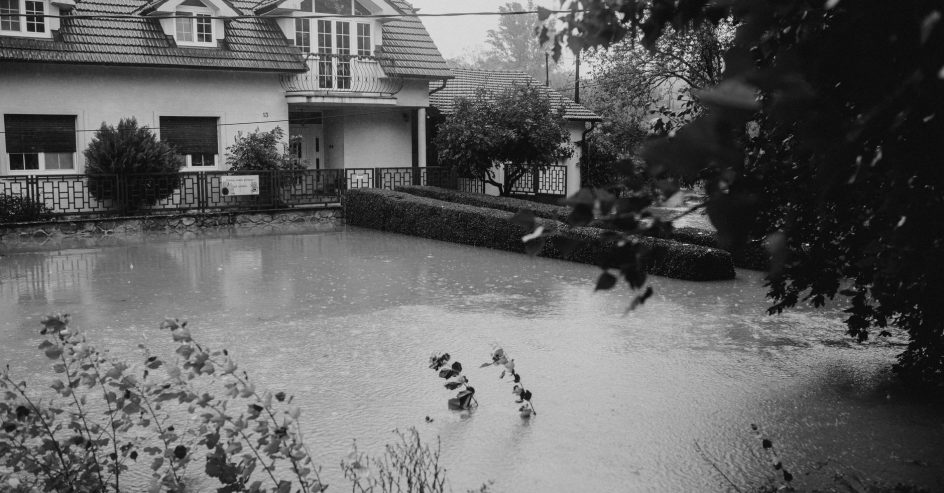
New Orleans receives roughly 64 inches of rain per year, and most of it falls in short, intense bursts. When two inches drop in under an hour, even a well-maintained yard can hold water for days. The cause almost always comes down to one of three factors: improper yard grading, soil that absorbs water far too slowly, or the absence of a drainage system built to move runoff away from the property before it saturates the ground.
What separates New Orleans from most other cities is the combination of soil composition, below-grade elevation, and ongoing subsidence that turns ordinary rain events into multi-day flooding problems. Big EZ Renovations works with homeowners across the metro to diagnose standing water issues and install drainage systems designed for local conditions. A solution that clears water quickly in Baton Rouge or Houston often fails here because the ground itself behaves differently.
The primary culprit in most New Orleans yards is what locals call gumbo soil, a dense blend of clay, silt, and organic matter that absorbs water at a rate of only 0.1 to 0.5 inches per hour. Sandy soils absorb two or more inches per hour. During a typical summer storm, New Orleans soil cannot move water fast enough, so it collects on the surface and stays there until it evaporates or finds a lower point to flow toward.

Elevation compounds the problem. About 65 percent of New Orleans proper sits at or below mean sea level, and the average elevation of the metro area is 1.8 meters below sea level. The city’s pump stations handle street drainage, not individual yards. When those stations reach capacity or a neighborhood’s ground is saturated, standing water in a yard has nowhere to go.
Soil subsidence creates a drainage problem that many homeowners never anticipate. New Orleans sits on compressible sediment that sinks over time as the material compresses and as groundwater withdrawal reduces underground support. A yard graded correctly in 2005 may now slope toward the house rather than away from it, because the soil near the foundation has settled at a different rate than the soil farther out. This shift explains why homeowners who had no drainage issues for years suddenly develop them without any obvious change in weather or landscaping.
Regrading reshapes the soil surface so water flows away from the foundation. The standard requirement for residential properties in the region calls for at least one inch of drop per ten feet of horizontal distance away from a structure. In practice, regrading involves moving soil, adding fill material in low spots, and sometimes bringing in topsoil to build up areas that have subsided. Regrading alone works well when the main problem is a flat or slightly negative slope and the soil still drains at an acceptable rate. When clay content is high and absorption is minimal, regrading moves standing water to a different part of the yard rather than eliminating it.
A French drain is a perforated pipe wrapped in filter fabric, surrounded by gravel, and set in a trench that slopes toward a discharge point such as a street curb, storm drain, or dry well. A standard exterior yard installation uses a trench 12 to 18 inches wide and up to 24 inches deep, depending on the volume of water the system needs to handle. The pipe collects water through its perforations and carries it away before it pools on the surface or saturates soil around the foundation. Because the system does not depend on soil absorption to function, it performs well even in New Orleans gumbo clay.
French drain cost in New Orleans runs $25 to $39 per linear foot for a standard exterior yard installation. A 50-foot run, which covers a typical side yard or rear drainage corridor, comes to roughly $1,250 to $1,950 installed. Projects requiring deeper trenching, larger pipe diameter, or a tie-in to a city drainage line can reach $3,000 to $4,000 or more. The landscaping and drainage team at Big EZ Renovations conducts site assessments before quoting, because oversizing a system adds cost without improving performance.
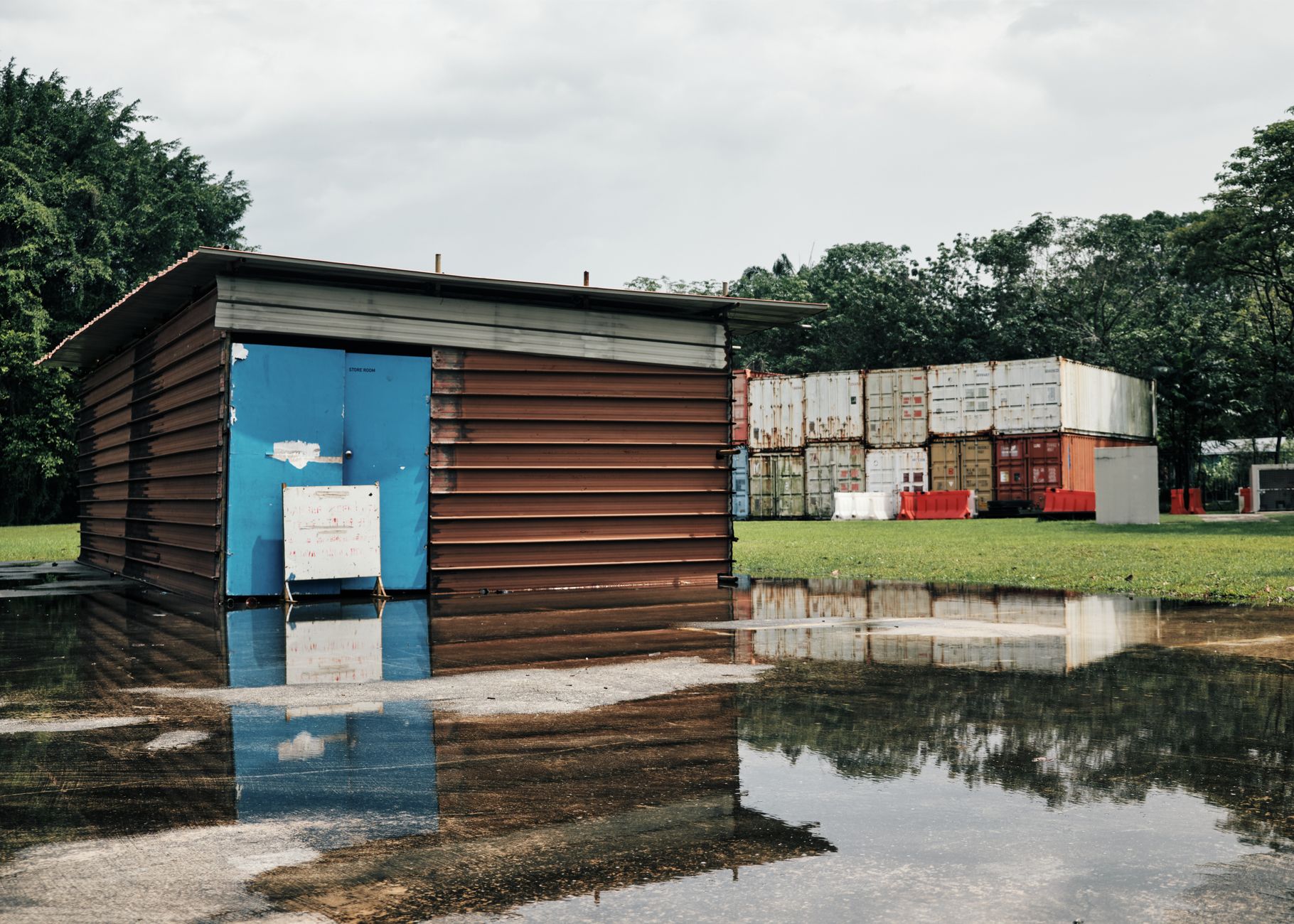
Catch basins are grated surface boxes set at grade level in low spots and connected to underground pipe that exits the yard. Channel drains run as a linear slot across a driveway, patio, or doorway entrance to intercept sheet flow before it reaches a threshold or building wall. Both options work well in hardscaped areas where a French drain in soil cannot function. When a sloped driveway channels water toward a garage during a storm, a channel drain across the entry stops it at the surface. Catch basins suit situations where water collects from multiple directions and a single linear drain cannot intercept all of it.
| Solution | Best For | Typical Cost | Works in Clay? |
|---|---|---|---|
| Regrading | Flat or negative slope toward foundation | $500 to $2,000 | Partially |
| French Drain | Persistent yard pooling, saturated soil, foundation moisture | $25 to $39 per linear foot | Yes |
| Catch Basin / Channel Drain | Driveways, patios, hardscaped runoff areas | $300 to $1,500 per unit | Yes |
Most residential drainage improvements in New Orleans require coordination with the Sewerage and Water Board of New Orleans if the system discharges into a city drainage line. The city’s stormwater management ordinance also restricts grading and drainage work that could increase runoff to adjacent properties or public rights of way. A French drain that empties into an on-site dry well generally does not trigger a formal permit, but a system that ties into a public catch basin or city line does. Before starting any project, contact Big EZ Renovations for a site consultation; the team handles permit research and applications as part of the project scope when permits apply.
Most drainage guides focus on where water collects. The more useful question for New Orleans homeowners is why it collects there now when it did not five or ten years ago. Subsidence is the answer that rarely appears on competitor pages. As the city’s compressible soil sinks, micro-slopes throughout a yard shift. A yard with a slight positive pitch away from the house in 2012 may now have a near-zero slope or a slight depression a few feet from the foundation. Installing a French drain without first correcting the grade treats the symptom rather than the cause, and the pooling problem returns within a season or two.
Water that pools near a foundation during storm season also damages other parts of the house. Splash-zone moisture at the base of exterior walls accelerates paint failure, and homeowners dealing with yard flooding often notice peeling paint on lower courses at the same time. Our guide on exterior painting in New Orleans humidity covers how to address that moisture before repainting. For homeowners preparing structures for storm season, scheduling a roof inspection before peak hurricane season alongside drainage work helps catch vulnerabilities across the whole building envelope. And if you are weighing larger structural improvements, our guide on when a New Orleans roof needs replacing walks through the decision criteria that matter most in this climate.
To schedule a yard drainage assessment or get a quote on a French drain installation, call 504-294-8616. The team serves homeowners across the New Orleans metro and can typically complete a site visit within a week of your call.
French drain installation in New Orleans typically runs $25 to $39 per linear foot for a standard exterior yard system. A 50-linear-foot installation costs approximately $1,250 to $1,950. Projects requiring deep trenching, city drainage tie-ins, or large gravel volume can exceed $3,500 depending on site conditions and total linear footage.
It depends on the discharge point. A French drain that empties into an on-site dry well typically does not require a city permit. Systems that connect to a public drainage line or catch basin require coordination with the Sewerage and Water Board of New Orleans. Always confirm permit requirements with the city before starting any residential drainage project.
Yes. French drains collect water through perforations and carry it to a discharge point without relying on soil absorption. This makes them effective in New Orleans gumbo clay, which absorbs water at only 0.1 to 0.5 inches per hour. Choosing the right filter fabric prevents clay particles from migrating into the gravel and clogging the system over time.
A properly installed French drain with quality filter fabric typically lasts 30 to 40 years before the pipe or fabric degrades. In Louisiana’s high-humidity, high-sediment environment, systems installed without filter fabric or with lower-grade materials may require cleaning or partial replacement within 10 to 15 years. Periodic flushing extends the system’s service life.
A swale is a shallow surface channel graded to direct sheet flow across the yard to a lower point. A French drain is a buried pipe system that captures water below the surface. Swales move large volumes of surface runoff across open yards efficiently. French drains work better where space is tight or where a surface channel would conflict with landscaping or hardscaping.
Yes. New Orleans sits on compressible sediment that sinks gradually over time. A yard graded correctly a decade ago may now slope toward the foundation because different soil zones settled at different rates. When drainage problems develop without an obvious cause, subsidence-driven grade changes are a likely explanation and should be assessed before any drainage infrastructure goes in.
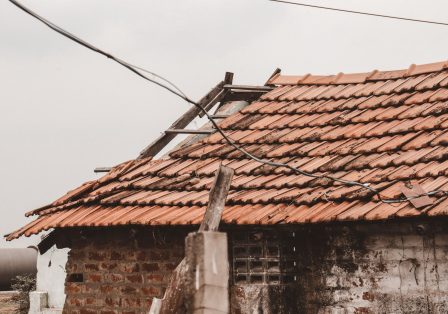
What You Need to Know Big Easy Renovations is an LSLBC-licensed roofing contractor (Residential License #890459, Commercial License #3667) serving Orleans Parish, Jefferson Parish, and St. Ta...

New Orleans roofs face unique challenges from hurricanes, humidity averaging 74%, intense UV exposure, and 62 inches of annual rainfall. Asphalt shingle roofs typically last 10-15 years here versus...

A FORTIFIED roof in Louisiana costs $4.40-$6.90 per square foot, or roughly $8,800-$13,800 for a 2,000 sq ft home, only 10-15% more than a standard replacement. The Louisiana Fortify Homes Program ...
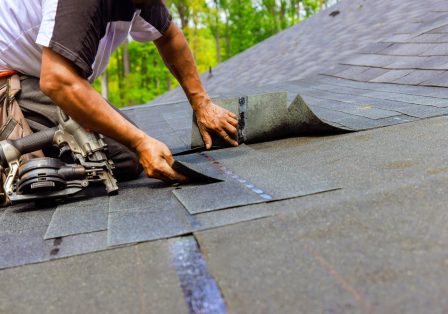
Roof repair in New Orleans typically costs $150 to $1,500 for minor repairs like patching leaks or replacing a few shingles. More extensive repairs involving water damage or structural issues range...
What You Need to Know Composite decking outlasts pressure-treated wood by 15 to 35 years in New Orleans’ hot-humid subtropical climate, and it does so without the annual sealing, staining, o...
The best time to lay sod in New Orleans is September through mid-October, followed closely by March through May. Both windows offer warm soil, manageable air temperatures, and enough natural rainfa...
 By BigEZRenovations
  0 Comment
  Sep 1, 2026
  By
BigEZRenovations
By
BigEZRenovations  0 Comments