

Opening Hours Mon - Fri: 8:00 AM - 3:00 PMSat - Sun: Closed
New Orleans’ Trusted Renovation Experts — Transform Your
Home with Confidence- Get Your Free Estimate
Opening Hours Mon - Fri: 8:00 AM - 3:00 PMSat - Sun: Closed

Talk to an Expert504-294-8616
Opening Hours Mon - Fri: 8:00 AM - 3:00 PMSat - Sun: Closed

The best time to lay sod in New Orleans is September through mid-October, followed closely by March through May. Both windows offer warm soil, manageable air temperatures, and enough natural rainfall to reduce the daily watering demand on newly installed grass. Big EZ Renovations installs sod across Greater New Orleans — from Orleans and Jefferson parishes to St. Tammany and beyond — handling grading, soil preparation, and installation so new turf roots in correctly the first time.
New Orleans lawns carry complications that don’t appear in most of the South. The city sits on dense clay called gumbo soil, a mixture of clay, silt, and organic material that absorbs water at roughly 0.1 to 0.5 inches per hour according to local landscape professionals — so slow that ungraded yards pool after almost any significant rainfall. Big EZ Renovations evaluates drainage and grades yards before sod goes in, because new turf over a poorly draining lot will fail in the wet spots regardless of grass type or season.
The LSU AgCenter identifies April through October as Louisiana’s productive sod installation window, with a specific caution about July and August. Heat indexes in New Orleans during those two months regularly exceed 105 degrees Fahrenheit, and freshly cut sod placed during that stretch dries out before roots can penetrate the soil below. Fall eliminates that risk. Soil temperatures in the New Orleans area stay above 65 degrees through late October, keeping root growth active, while daytime highs drop to the low 80s and October’s typical 3.5 inches of monthly rainfall reduces how much supplemental irrigation new sod requires.
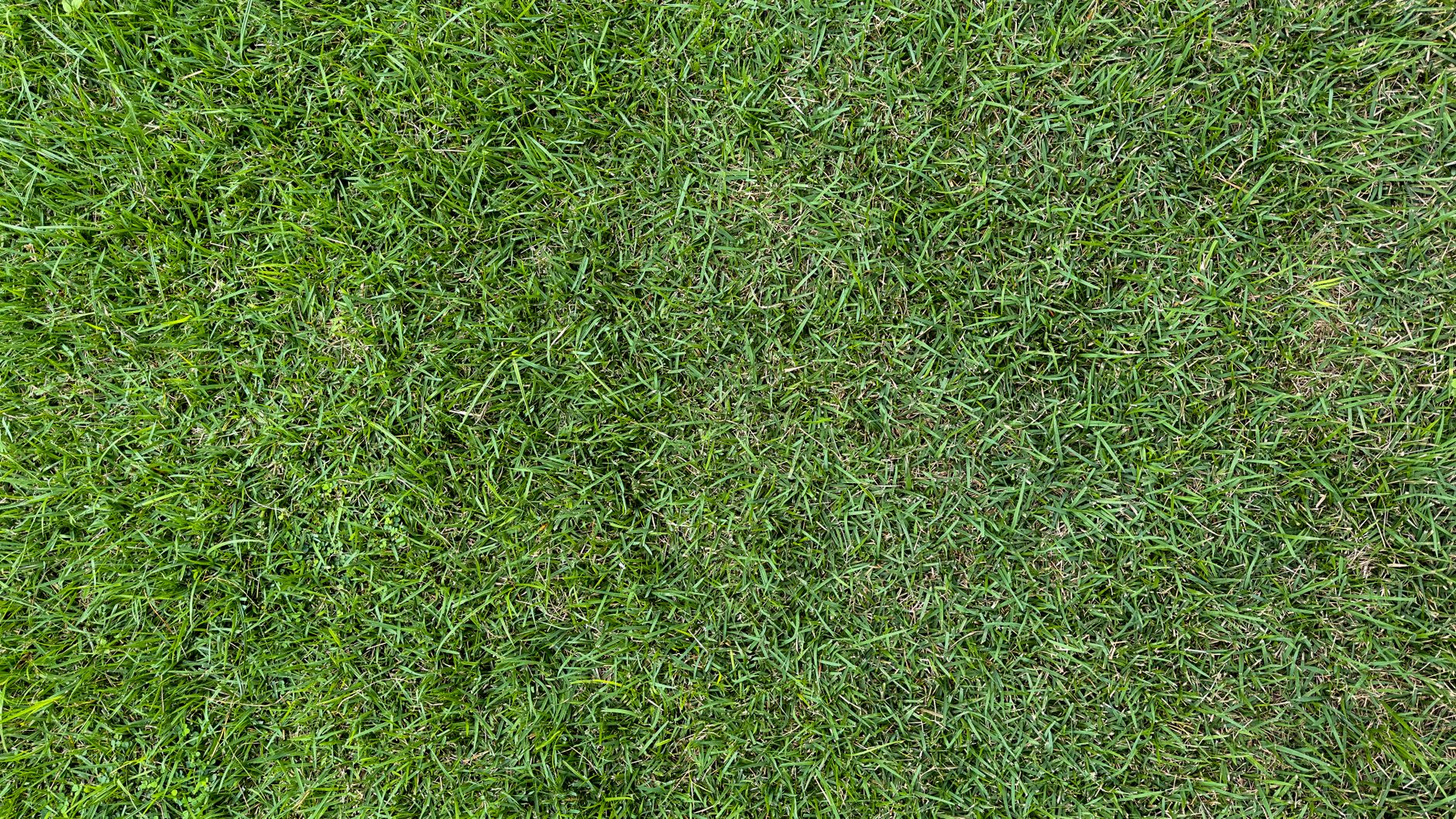
One detail most competitor pages skip entirely: the layout and canopy of a New Orleans lot matters as much as timing does. Most city lots run narrow and deep, with live oaks and magnolia trees reaching full shade coverage by mid-summer. Sod installed in fall roots through the cooler months before that canopy closes in spring, giving new grass maximum sunlight during its most critical growth window. Yards with heavy shade from live oaks should choose St. Augustine grass — it tolerates partial shade better than any other warm-season option available in Louisiana.
In This Article
September is the single strongest month for sod installation in New Orleans. Soil temperatures stay above 70 degrees, root development runs at full speed, and the worst of summer heat has passed. October works well too, though it ranks as one of the historically drier months in South Louisiana, so supplemental watering stays important even as air temperatures cool down noticeably.
Spring — March through May — runs a close second. Early spring brings warm days, mild nights, and spring rainfall that supports establishment without requiring the intensive daily irrigation that summer demands. The risk with late-spring installation is timing: sod planted in mid-to-late May may still be in its four-to-six week establishment phase when June temperatures begin spiking past 90 degrees.
Most experienced installers in the area recommend fall for homeowners who want the least labor-intensive post-installation window. New grass roots into warm fall soil over several weeks, slows its growth through winter, and arrives the following spring already established and ready to fill in aggressively.
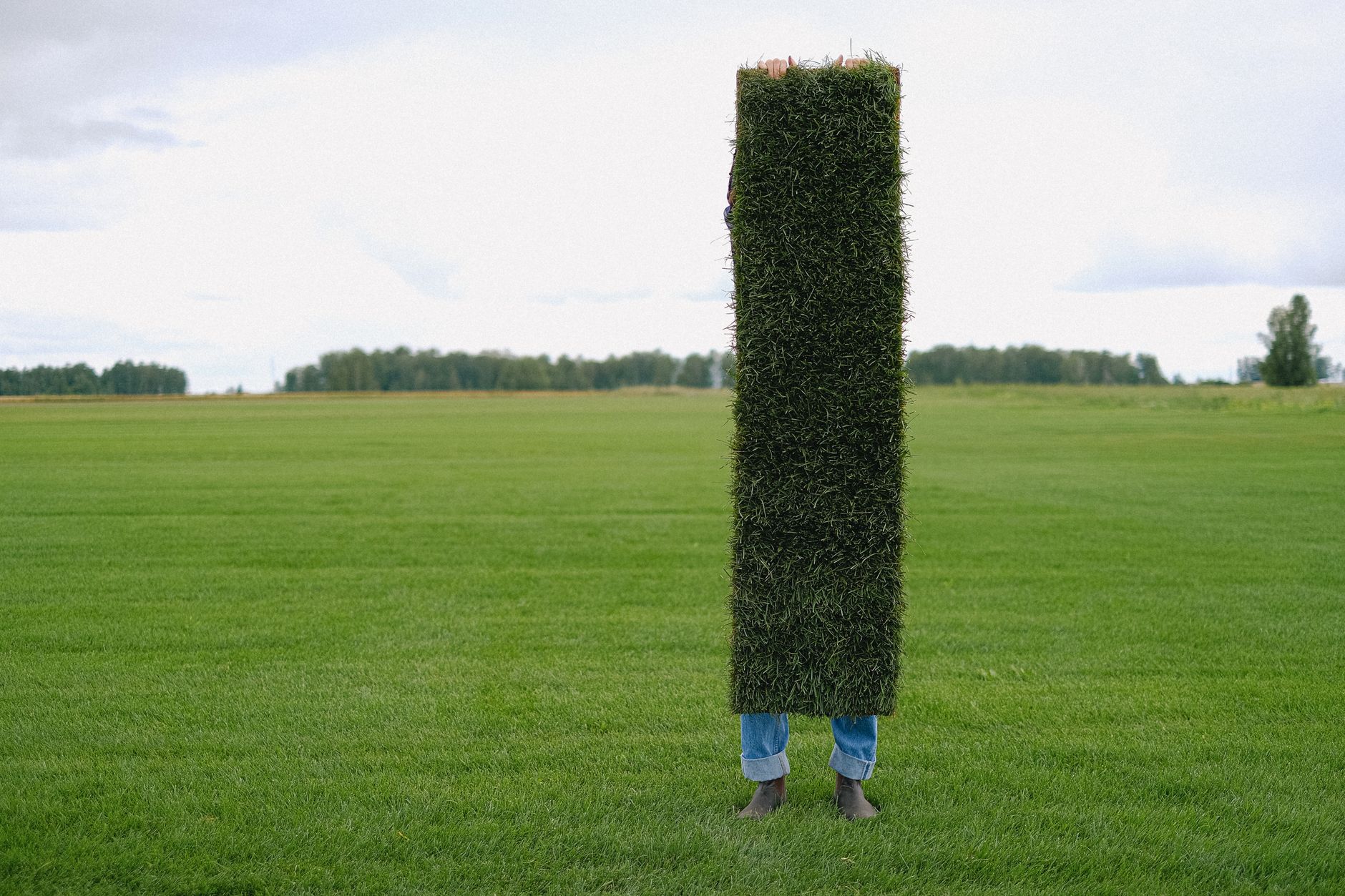
Fall sod installation in New Orleans works because three conditions align at once: warm soil that hasn’t cooled past root-activity thresholds, air temperatures that eliminate heat stress, and seasonal rainfall that reduces daily watering requirements. New grass roots steadily over four to six weeks without the setbacks that July heat or January cold fronts introduce to out-of-season installations.
The soil temperature math is specific. Warm-season grasses — including the St. Augustine, Zoysia, Centipede, and Bermuda varieties available in Louisiana — remain in active root growth above 65 degrees Fahrenheit. New Orleans soil temperatures typically stay above that mark through late October, and in milder years extend into early November. That gives a fall installation a full six to eight weeks of productive rooting time before growth slows.
Fall rainfall patterns in New Orleans also support establishment in a way spring can’t guarantee. August averages around six inches of monthly rain — the wettest month of the year locally. That tapers in September and October, but October’s 3.5-inch monthly average, per National Weather Service historical data for New Orleans, still cuts supplemental irrigation frequency significantly compared to a dry spring installation.
St. Augustine grass dominates New Orleans sod installations because it handles the combination of humidity, brief flooding, clay soil, and partial shade that most city lots present at once. No other warm-season grass available in the Louisiana market manages all four of those local conditions as well, which is why it accounts for the majority of sod installed across coastal Louisiana, Mississippi, and the Florida Panhandle.
| Grass Type | Shade Tolerance | Flood Tolerance | Clay Soil Performance | Best For |
|---|---|---|---|---|
| St. Augustine | Moderate | Good | Excellent | Most New Orleans lots, oak-shaded yards |
| Centipede | Low-moderate | Moderate | Good | Low-maintenance yards, partial shade |
| Zoysia | Moderate | Moderate | Good | Higher-traffic yards, full-sun areas |
| Bermuda | Low | Good | Moderate | Full-sun yards, high-traffic areas |
Bermuda grass suits full-sun New Orleans lots with minimal tree canopy, and it handles high foot traffic better than St. Augustine. The trade-off is winter dormancy — Bermuda turns brown during cold months, which most homeowners find less acceptable than St. Augustine’s year-round green in the local climate.
New Orleans clay soil requires deliberate preparation before any sod installation. The gumbo clay absorbs water at 0.1 to 0.5 inches per hour — far slower than the sandy loams common in other Southern markets — which means inadequate grading turns a new lawn into a standing-water problem after any serious rainfall. Till to six to eight inches deep, incorporate organic matter to improve drainage, and establish a grade of 1% to 2% slope away from the home’s foundation before sod goes down.
Chronic wet spots need drainage solutions addressed before turf installation, not after. No grass type, including St. Augustine, survives standing water for more than 48 to 72 continuous hours. Drainage corrections and yard regrading should happen before sod installation — fixing drainage after established turf is in place costs significantly more and causes serious damage to the lawn in the process.
Homeowners planning hardscape projects alongside new turf should sequence that work first. A paver patio or concrete slab installation brings equipment traffic that tears up new sod, and the finished hardscape changes how drainage moves across the yard — information that needs to inform how sod is graded and placed to avoid creating new wet spots along the patio perimeter.
The six weeks after sod installation in New Orleans are a managed establishment phase, not a passive wait. New sod requires daily deep watering for the first two to three weeks while roots anchor into the soil below. After roots establish, irrigation steps down to every two to three days. At four to six weeks, the lawn handles normal mowing and routine foot traffic without risk of lifting or tearing.
Week-by-week milestones for New Orleans fall sod installations:
For homeowners coordinating a deck build or fence installation alongside new sod, complete that construction before turf goes in, or plan to keep all equipment and foot traffic out of the lawn for the full six-week establishment period.
July and August are the two months to avoid for sod installation in Greater New Orleans. Heat indexes during those weeks regularly exceed 105 degrees Fahrenheit, and freshly cut sod placed in those conditions dries out rapidly before roots can anchor into the soil below. Even aggressive watering twice daily struggles to offset the moisture loss rate at peak summer heat, and sod failure rates during those months are significantly higher than any other window.
December and January carry a different risk. New Orleans sees two to four hard frosts in a typical winter season. Sod installed during those months establishes root-shallow because cold soil limits root growth, leaving the turf vulnerable to frost heave and desiccation during those freeze events. The LSU AgCenter notes specifically that sod is more susceptible to winter injury when laid during dormancy, which in Louisiana runs roughly October through March.
The practical rule for New Orleans: target fall sod installation for completion by October 31. Anything installed after that point is working against soil temperatures that have begun dropping below the thresholds that support productive root development.
You can lay sod in Louisiana during summer, but June is the last month where results are reliable. July and August heat stress freshly installed sod before roots can establish, and failure rates increase significantly during peak heat months. If summer is the only option, plan for twice-daily watering and expect a slower establishment timeline than fall or spring.
Sod installed in New Orleans during fall or spring typically roots within two to three weeks and reaches full establishment at four to six weeks. Summer installations often run eight weeks or longer because high heat slows root development significantly and increases moisture stress on newly cut turf.
St. Augustine grass is the right choice for shaded New Orleans lots. It tolerates partial shade from live oaks and magnolias better than Bermuda, Centipede, or Zoysia, while also managing the clay soil and brief flooding that define most city properties across Orleans and Jefferson parishes.
Yes. New Orleans gumbo clay absorbs water at only 0.1 to 0.5 inches per hour, far too slow for healthy sod establishment without preparation. Tilling to six to eight inches and adding organic matter improves drainage enough to give new grass a realistic chance of rooting correctly.
Sod installation costs in New Orleans vary based on square footage, grass type, drainage conditions, and site access. Call 504-294-8616 to get a site assessment and installation estimate from Big EZ Renovations.
Yes, and skipping this step is the most common reason new lawns fail in New Orleans yards. Sod placed over chronic wet spots will die in those areas regardless of installation quality or grass type. Address grading or drainage problems before turf goes in — contact Big EZ Renovations for a pre-installation drainage evaluation.
What You Need to Know Big Easy Renovations is an LSLBC-licensed roofing contractor (Residential License #890459, Commercial License #3667) serving Orleans Parish, Jefferson Parish, and St. Ta...
After hurricane roof damage in New Orleans, your first priorities are personal safety, preventing further water intrusion, and documenting everything before you touch it. Tarp exposed areas, photog...
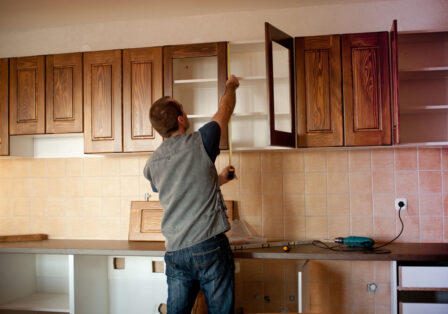
Starting a home renovation is like opening a door to a world of possibilities, where your living space can be transformed into something truly remarkable. At Big EZ Renovations, we appreciate the i...
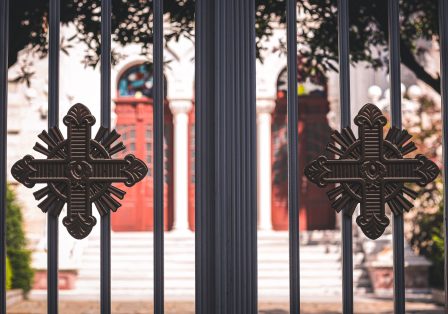
Quick Summary Ornamental iron gates are a defining feature of New Orleans architecture, but the city’s hot-humid climate, classified as IECC Climate Zone 2A, and annual average humidity of 7...
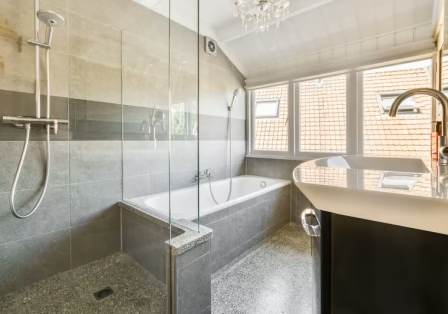
A bathroom renovation in New Orleans costs $2,500 to $50,000 or more in 2026 depending on scope, materials, and whether the project involves plumbing relocation. Big EZ Renovations handles bathroom...
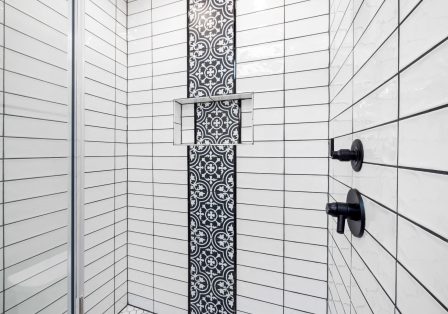
Quick Summary Bathroom renovation in New Orleans, Louisiana requires a permit from the Orleans Parish Department of Safety and Permits before any plumbing, electrical, or structural work begins. M...
 By BigEZRenovations
  0 Comment
  Aug 18, 2026
  By
BigEZRenovations
By
BigEZRenovations  0 Comments