

Opening Hours Mon - Fri: 8:00 AM - 3:00 PMSat - Sun: Closed
New Orleans’ Trusted Renovation Experts — Transform Your
Home with Confidence- Get Your Free Estimate
Opening Hours Mon - Fri: 8:00 AM - 3:00 PMSat - Sun: Closed

Talk to an Expert504-294-8616
Opening Hours Mon - Fri: 8:00 AM - 3:00 PMSat - Sun: Closed

Quick Summary
Fiber cement siding, commonly called Hardie board after the James Hardie brand, is the strongest performer for New Orleans homes because it resists hurricane-force winds above 150 mph, holds its shape in IECC Climate Zone 2A humidity without swelling or rotting, and carries a Class A fire rating that can reduce homeowners insurance premiums. Standard vinyl siding begins to fail structurally at around 110 mph, a threshold New Orleans regularly sees during named storms, though hurricane-rated vinyl with reinforced nail hems and proper fastening performs significantly better. Engineered wood siding delivers 20 to 30 years of service life in Louisiana with diligent maintenance, but Zone 2A’s chronic humidity makes moisture infiltration through unsealed seams the most common cause of early failure. Homeowners in the Marigny, Treme, Bywater, Uptown, and other HDLC-regulated historic districts in Orleans Parish must obtain a Certificate of Appropriateness from the Historic District Landmarks Commission before replacing exterior siding, regardless of which material they select. Big Easy Renovations installs fiber cement, vinyl, and engineered wood siding across Greater New Orleans, Jefferson Parish, and St. Tammany Parish, and coordinates HDLC Certificate of Appropriateness applications for eligible historic district properties.
Last Updated: May 2026
Fiber cement siding is the top-performing material for New Orleans homes, and the reason is specific to this climate: IECC Climate Zone 2A’s hot-humid conditions expose siding to sustained high humidity that warps organic materials and episodic hurricane-force winds that test fastener systems and panel rigidity on every structure in the metro. Big Easy Renovations, licensed by the Louisiana State Licensing Board for Contractors (LSLBC) under Residential Contractor License #890459 and Commercial Contractor License #3667, installs siding across Greater New Orleans, Metairie, Kenner, Gretna, Slidell, Mandeville, and surrounding parishes, with crews experienced in the permitting and material requirements specific to Louisiana’s coastal climate.
The choice between fiber cement, vinyl, and engineered wood carries more consequence here than in most U.S. markets. Licensed for residential and commercial exterior work throughout Greater New Orleans and surrounding parishes, the right siding decision involves weighing hurricane wind ratings, Zone 2A humidity performance, permit requirements, and, for historic district properties, what the Historic District Landmarks Commission (HDLC) will approve before a Certificate of Appropriateness (COA) is issued.
Understanding where each material fails, not just where it performs, is what separates a siding project that holds up through multiple storm seasons from one that generates costly repairs within five years.
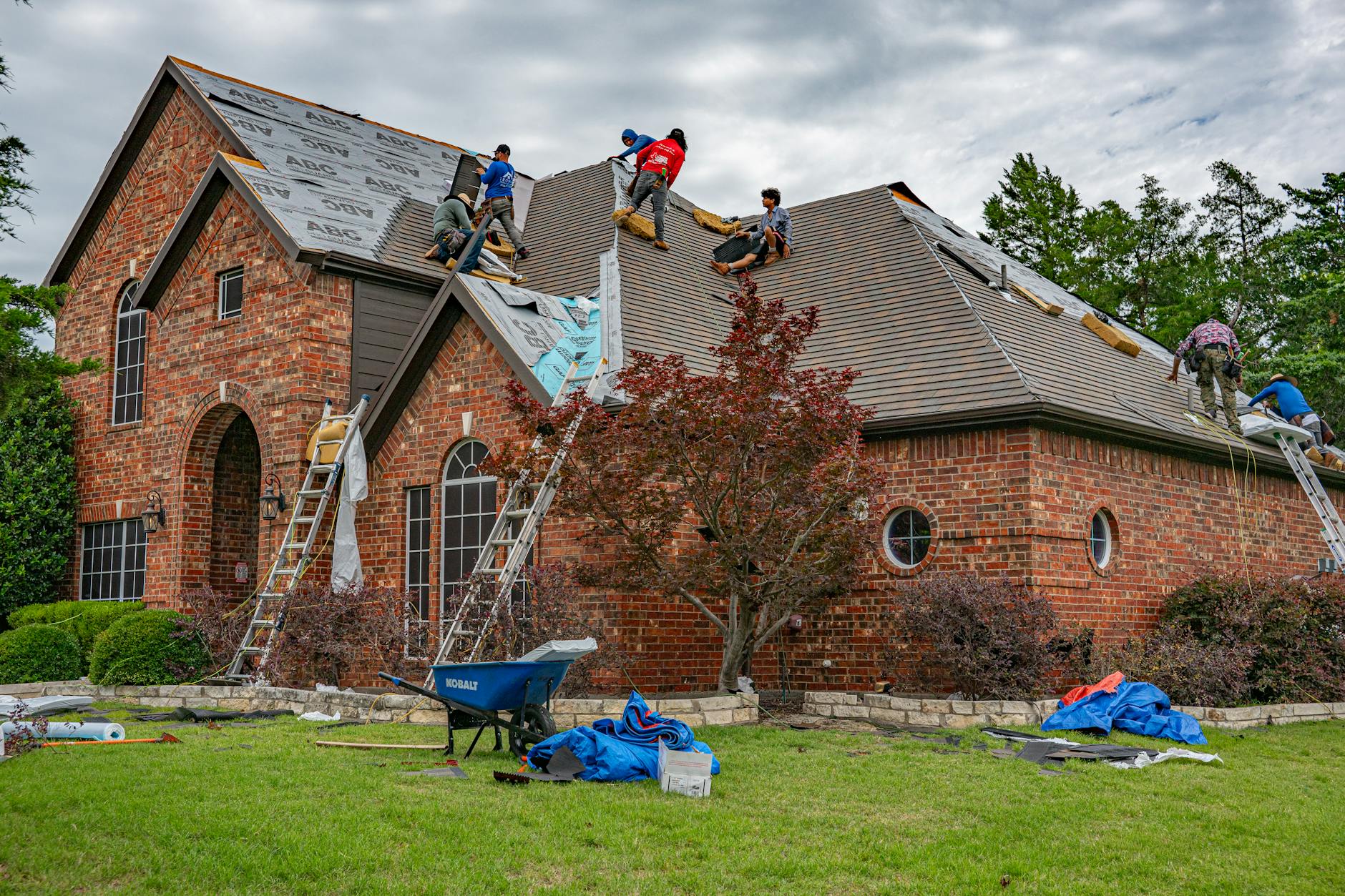
Fiber cement leads across every critical category for New Orleans: wind resistance, humidity tolerance, fire rating, and longevity. Hurricane-rated vinyl is a legitimate second option at a lower upfront cost, but only when rated panels are specified and installed correctly. Engineered wood offers the best visual approximation of real wood siding but requires the highest maintenance discipline of the three materials in Zone 2A conditions.
| Material | Wind Rating | Zone 2A Humidity | Installed Cost (New Orleans) | Lifespan in Zone 2A |
|---|---|---|---|---|
| Fiber cement (Hardie board) | 150+ mph properly installed | Does not swell, rot, or absorb moisture | $7 to $18/sq ft | 50+ years |
| Hurricane-rated vinyl | Up to 150 to 160 mph (rated panels only) | Non-porous, but water can penetrate behind panels | $3 to $7/sq ft | 25 to 40 years with maintenance |
| Engineered wood (LP SmartSide) | Moderate; higher failure risk in extreme events | Swells when moisture enters unsealed seams | $6 to $11/sq ft | 20 to 30 years with diligent maintenance |
Please note: The prices in this article are estimates only, shared to help you plan. Your actual cost depends on your property, the materials and the size of the job. For pricing on your project, call Big EZ Renovations for a quote.
Fiber cement siding withstands hurricane-force winds above 150 mph when installed with correct fasteners, spacing, and flashing, which covers the sustained wind speeds recorded in Greater New Orleans during Hurricane Ida (2021) and Hurricane Zeta (2020). The material does not absorb moisture, does not rot, does not swell in humidity, and does not provide organic matter for mold growth. Those four properties address the exact failure mechanisms that destroyed older siding across Orleans and Jefferson parishes during back-to-back storm seasons over the past two decades.
James Hardie products, the most widely installed fiber cement line in Louisiana, carry a Class A fire rating as non-combustible material, and some homeowners insurance carriers in Louisiana reduce premiums for homes sided with fire-rated materials. Fiber cement also outperforms vinyl in hail impact resistance, so homeowners who have sustained storm damage to siding or roofing in Louisiana and are choosing a replacement material can factor hail resistance alongside hurricane wind performance in their decision. Verify discount availability with your insurer in writing after installation, since discount programs vary by carrier.
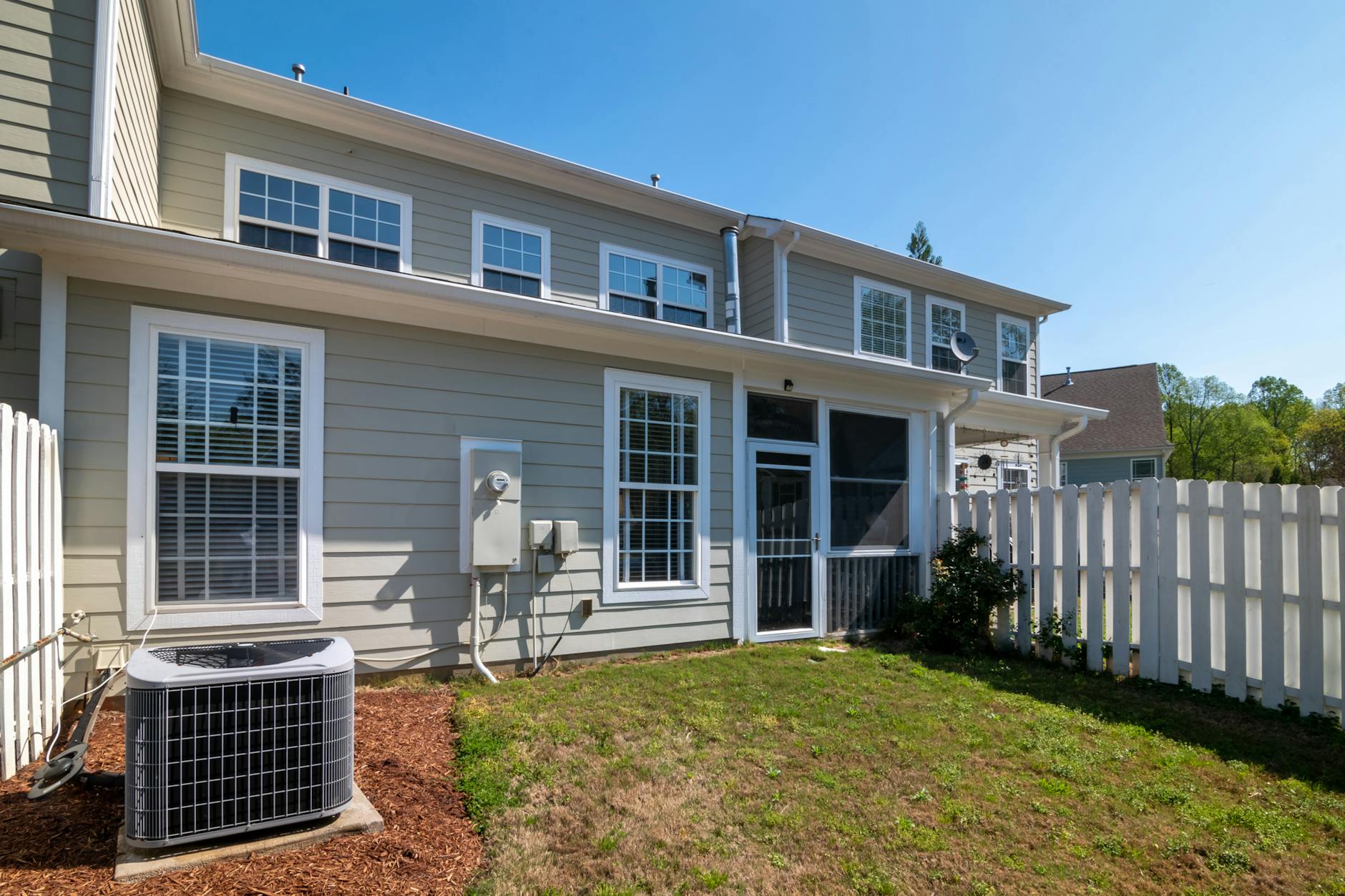
Hurricane-rated vinyl with reinforced nail hems and a minimum panel thickness of 0.044 inches handles Louisiana storms reliably when installed correctly. Standard budget vinyl is a different category entirely. Panels at or below 0.040 inches thickness begin to fail structurally at around 110 mph, a wind speed that Greater New Orleans and Jefferson Parish see during Category 2 and stronger storm events. Detached vinyl panels become wind-driven debris that damages neighboring structures and complicates insurance claims.
Specific risks for Louisiana vinyl siding installations:
Engineered wood siding achieves 20 to 30 years of service life in IECC Climate Zone 2A when installed correctly and inspected annually. The material’s failure point in Louisiana is moisture infiltration through unsealed cut edges, improperly flashed butt joints, or panels installed too close to grade. Once water enters the substrate, swelling spreads quickly and the repair scope expands well beyond the original damaged area.
Louisiana’s history with engineered wood siding includes a documented cautionary chapter. Louisiana-Pacific’s original hardboard siding products generated widespread failure claims in Louisiana parishes through the 1990s because the material absorbed moisture rapidly in Zone 2A’s humid conditions, and the failures were significant enough to drive replacement demand across Orleans and Jefferson parishes for years afterward. LP reformulated the product as LP SmartSide, a resin-bonded engineered wood that performs substantially better, but the same attention to sealed edges, correct flashing, and annual caulk and paint inspection remains mandatory. Homeowners who want the visual character of wood without that maintenance obligation typically find that fiber cement siding in Greater New Orleans achieves a comparable appearance with a fraction of the ongoing upkeep.
Installed siding costs in the Greater New Orleans metro vary by material, home size, architectural complexity, and whether the project requires an HDLC Certificate of Appropriateness review. Fiber cement costs more upfront but typically costs less over its lifespan than vinyl or engineered wood once maintenance and earlier replacement cycles are factored in.
Typical installed cost ranges for Greater New Orleans as of 2025, per ProMatcher and Angi cost data:
Orleans Parish Building Department permits are required for siding replacement. Jefferson Parish Inspection and Code Enforcement issues permits for Metairie, Kenner, Gretna, and other Jefferson Parish cities. Labor runs $40 to $80 per hour for experienced crews across the metro. Homeowners planning a combined roof and siding project often review how roofing insulation in IECC Climate Zone 2A affects the full building envelope, since a properly sealed wall assembly and a properly insulated attic work together to manage Zone 2A moisture and energy performance.
Any exterior siding alteration on a property within an HDLC-regulated district requires a Certificate of Appropriateness from the Historic District Landmarks Commission before work begins. The HDLC enforces this in the Marigny, Treme, Bywater, Uptown, Mid-City, Garden District, Irish Channel, Lakeview, Holy Cross, and nine additional historic districts across Orleans Parish. Installing new siding without a COA is a code violation, and HDLC has flagged fiber cement siding installed without prior approval as an inappropriate modification in documented enforcement cases.
The typical COA process for a siding project in Orleans Parish:
The HDLC prefers repair of original materials over wholesale replacement. When full replacement is necessary and approved, wood-grain fiber cement has received COA approval in some historic district cases, but approval depends on the property’s architectural classification and the surrounding streetscape character. Big Easy Renovations coordinates Certificate of Appropriateness applications for siding projects in HDLC-regulated Orleans Parish districts. Homeowners also undertaking exterior gate or ironwork projects can review how wrought iron gate installation in New Orleans historic districts follows the same COA process under HDLC jurisdiction.
What is the best siding material for a home in New Orleans?
Fiber cement siding, such as James Hardie products, is the top-performing option for New Orleans homes in IECC Climate Zone 2A. It withstands hurricane-force winds above 150 mph, resists moisture absorption and rot, carries a Class A fire rating, and lasts 50 or more years with minimal maintenance. Hurricane-rated vinyl is a lower-cost alternative, but only coastal-rated panels should be used in Orleans and Jefferson parishes.
Does siding replacement require a permit in New Orleans?
Siding replacement requires a permit from the Orleans Parish Building Department for properties in New Orleans, or from Jefferson Parish Inspection and Code Enforcement for properties in Metairie, Kenner, and Gretna. Properties in HDLC-regulated historic districts must also obtain a Certificate of Appropriateness from the Historic District Landmarks Commission before the building permit is issued, and HDLC jurisdictions carry a 50% surcharge on permit fees.
Why does standard vinyl siding fail in Louisiana hurricanes?
Standard vinyl siding begins to fail structurally at around 110 mph wind speeds, which falls below the sustained winds recorded in Greater New Orleans during Category 2 and stronger hurricane events. Panels can detach and become wind-driven debris. Only hurricane-rated vinyl with reinforced nail hems and a minimum panel thickness of 0.044 inches, installed per coastal fastening schedules, provides adequate wind resistance for Louisiana’s Gulf Coast exposure.
Can fiber cement siding be approved for a historic district property in New Orleans?
Fiber cement siding, including wood-grain profiles, has received Certificate of Appropriateness approval from the HDLC in some historic district cases as a replacement for deteriorated original siding. However, approval is not automatic. The Historic District Landmarks Commission reviews each project based on the property’s architectural classification, the proposed profile and color, and compatibility with the surrounding streetscape before issuing a COA.
Which parishes does Big Easy Renovations serve for siding installation?
Big Easy Renovations installs fiber cement, hurricane-rated vinyl, and engineered wood siding in Orleans Parish, Jefferson Parish (Metairie, Kenner, Gretna), St. Tammany Parish (Mandeville, Covington, Slidell), and surrounding areas under LSLBC Residential Contractor License #890459. The company handles HDLC Certificate of Appropriateness coordination for siding projects in Orleans Parish historic districts and manages permit applications across all served parishes.
Ready to compare material options and get a project estimate? Call Big Easy Renovations at (504) 294-8616 to schedule a siding assessment across New Orleans, Metairie, Kenner, Mandeville, and surrounding parishes. The team handles material selection, permit applications, HDLC coordination, and installation under one contract. You can also request a project consultation to discuss timeline, material options, and any historic district requirements that apply to your property.
Starting a home renovation is like opening a door to a world of possibilities, where your living space can be transformed into something truly remarkable. At Big EZ Renovations, we appreciate the i...
A FORTIFIED roof in Louisiana costs $4.40-$6.90 per square foot, or roughly $8,800-$13,800 for a 2,000 sq ft home, only 10-15% more than a standard replacement. The Louisiana Fortify Homes Program ...
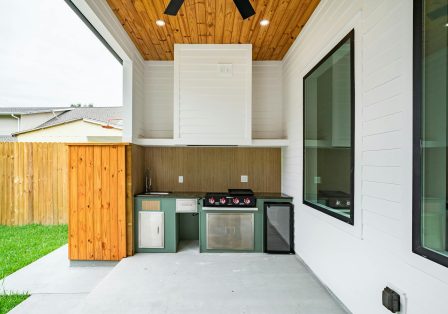
Quick Summary Planning an outdoor kitchen in New Orleans means designing for IECC Climate Zone 2A, a hot-humid environment that receives 61 inches of rain each year and exposes every outdoor surfa...
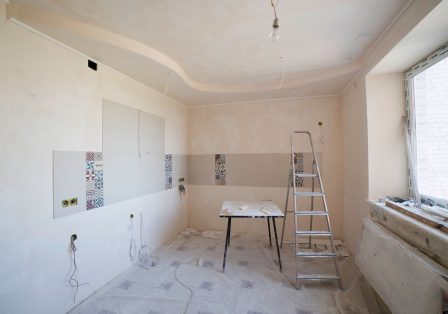
Quick Summary: A kitchen remodel in a New Orleans shotgun house costs $9,900 to $40,500 and typically takes 6 to 12 weeks. Pier-and-beam foundations, aging plumbing, and knob-and-tube wiring add co...
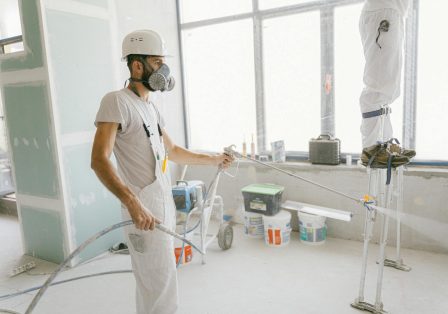
Quick Summary Cellulose insulation absorbs moisture from New Orleans's ambient humidity, compresses over time, and loses the R-value it was installed to deliver, making it a poor long-term choice ...
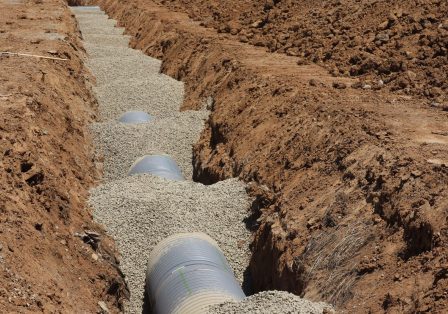
What You Need to Know French drain installation in New Orleans costs between $25 and $39 per linear foot, with most residential projects running $1,500 to $4,000 depending on yard size, depth, and...
 By BigEZRenovations
  0 Comment
  May 26, 2026
  By
BigEZRenovations
By
BigEZRenovations  0 Comments