

Opening Hours Mon - Fri: 8:00 AM - 3:00 PMSat - Sun: Closed
New Orleans’ Trusted Renovation Experts — Transform Your
Home with Confidence- Get Your Free Estimate
Opening Hours Mon - Fri: 8:00 AM - 3:00 PMSat - Sun: Closed

Talk to an Expert504-294-8616
Opening Hours Mon - Fri: 8:00 AM - 3:00 PMSat - Sun: Closed

What You Need to Know
French drain installation in New Orleans costs between $25 and $39 per linear foot, with most residential projects running $1,500 to $4,000 depending on yard size, depth, and whether surface regrading is required first. New Orleans homeowners face drainage challenges most of the country does not: the city’s dense gumbo clay soil absorbs water at just 0.1 to 0.5 inches per hour, and many neighborhoods sit below sea level, leaving standing water with nowhere to go after storms. Big Easy Renovations installs French drains, catch basins, and graded drainage systems across Orleans Parish, Jefferson Parish, and surrounding parishes, and coordinates Sewerage and Water Board of New Orleans permit requirements when a project connects to the municipal drainage network.
Last Updated: September 2026
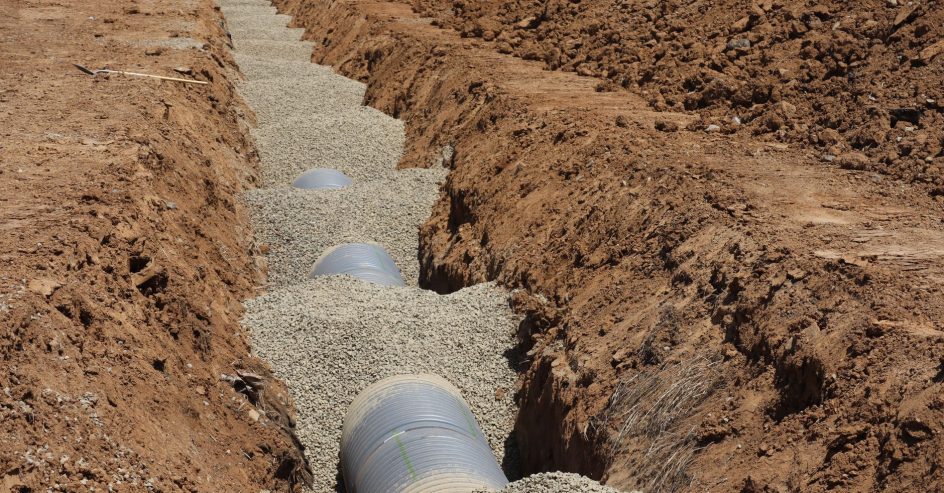
New Orleans yards flood because the soil cannot move water fast enough, not because rainfall is uniquely extreme. The city’s dense clay and organic mix, known locally as gumbo soil, absorbs water at just 0.1 to 0.5 inches per hour, while a typical afternoon thunderstorm drops 4 to 5 inches in a single event. A French drain does not speed up soil absorption. Instead, it intercepts water before it can pool, channels it through a gravel-and-pipe trench, and redirects it toward an approved outlet away from the home.
The full-service renovation and roofing contractor Big Easy Renovations handles landscaping, grading, and drainage system installation across Greater New Orleans and surrounding parishes, including Metairie, Kenner, Gretna, Slidell, and the North Shore communities of Mandeville and Covington. The company holds Louisiana State Licensing Board for Contractors (LSLBC) Residential License #890459 and Commercial Contractor License #3667. Most drainage assessments begin with a site evaluation to determine whether the yard needs regrading, a French drain, a catch basin, or a combination of those systems.
New Orleans also carries a drainage burden that sets it apart from most U.S. cities: land subsidence. Decades of groundwater pumping and the shrink-swell cycle of the city’s clay soils have caused portions of Mid-City, Gentilly, Lakeview, and the Seventh Ward to sink below the elevation of nearby streets and drainage canals. When a yard sits lower than surrounding infrastructure, a French drain alone may not resolve the problem. In some subsided areas, a sump pump is required to push collected water uphill and discharge it into a street catch basin at the correct elevation.
Diagnosing the right solution requires evaluating slope, soil conditions, existing underground utilities, and available discharge points before any trench is opened. Big Easy Renovations has handled drainage projects ranging from simple catch basin installations to full yard regrading combined with French drain systems across its outdoor drainage and landscaping service area in Greater New Orleans.
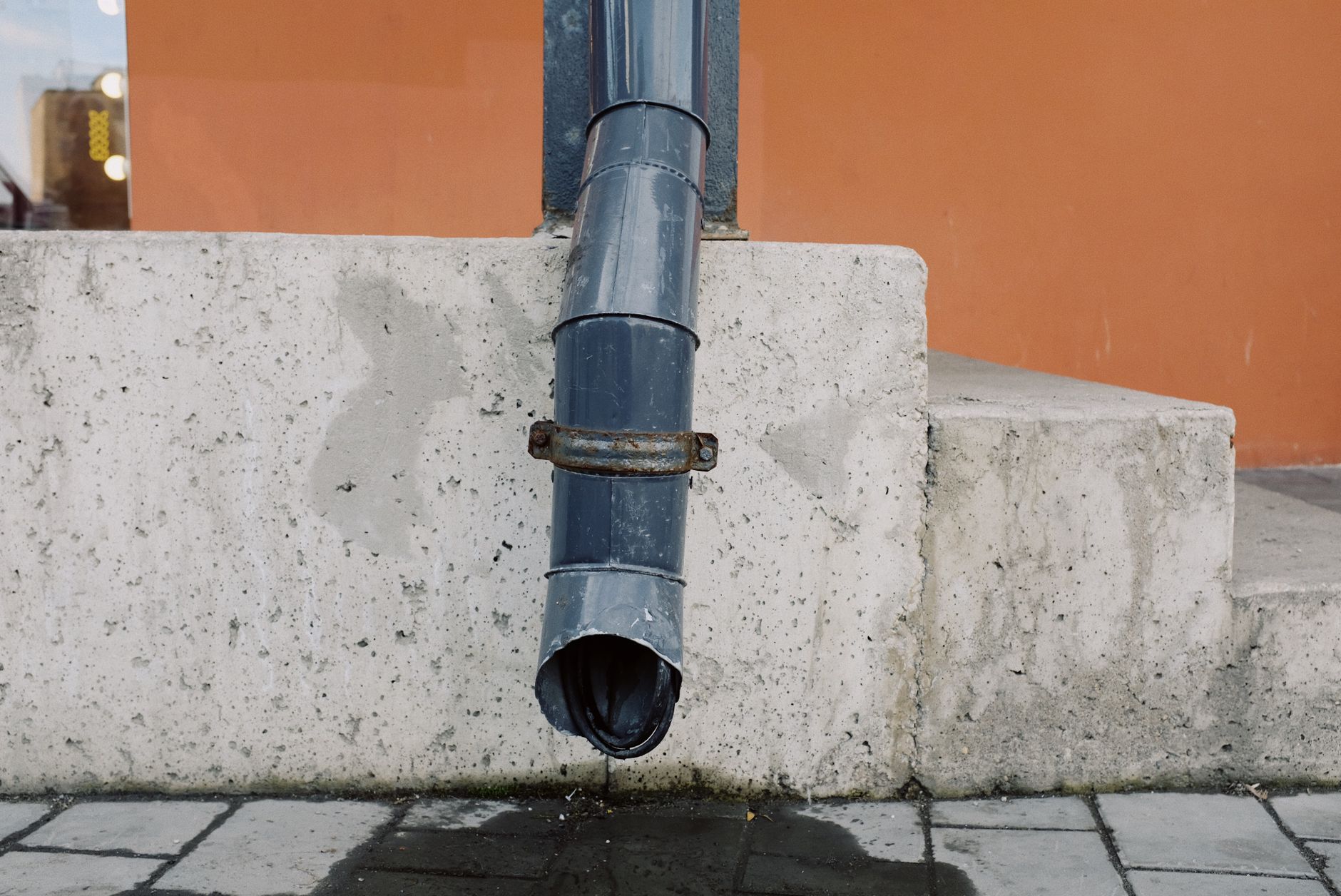
Please note: The prices in this article are estimates only, shared to help you plan. Your actual cost depends on your property, the materials and the size of the job. For pricing on your project, call Big EZ Renovations for a quote.
Standing water remains in New Orleans yards after storms because gumbo clay absorbs water at only 0.1 to 0.5 inches per hour, the city’s municipal drainage system reaches capacity quickly during intense rainfall, and many properties sit at or below the elevation of nearby streets. Those three factors combine to trap water on-site for hours or days after rain stops.
Land subsidence intensifies all three factors. The Sewerage and Water Board of New Orleans (SWBNO) operates the pump stations and drainage canals that move stormwater out of the city, but those systems pull groundwater from the soil as a side effect, accelerating subsidence in the process. After Hurricane Ida struck Orleans Parish in August 2021, saturated soil and overwhelmed drainage canals left standing water in yards and streets for days, demonstrating how quickly these compounding conditions can escalate. Chronic yard moisture that accumulates near exterior walls over time can also lift paint films and damage siding, a secondary repair that Big Easy Renovations addresses through its exterior painting and surface preparation services once the underlying drainage issue is corrected.
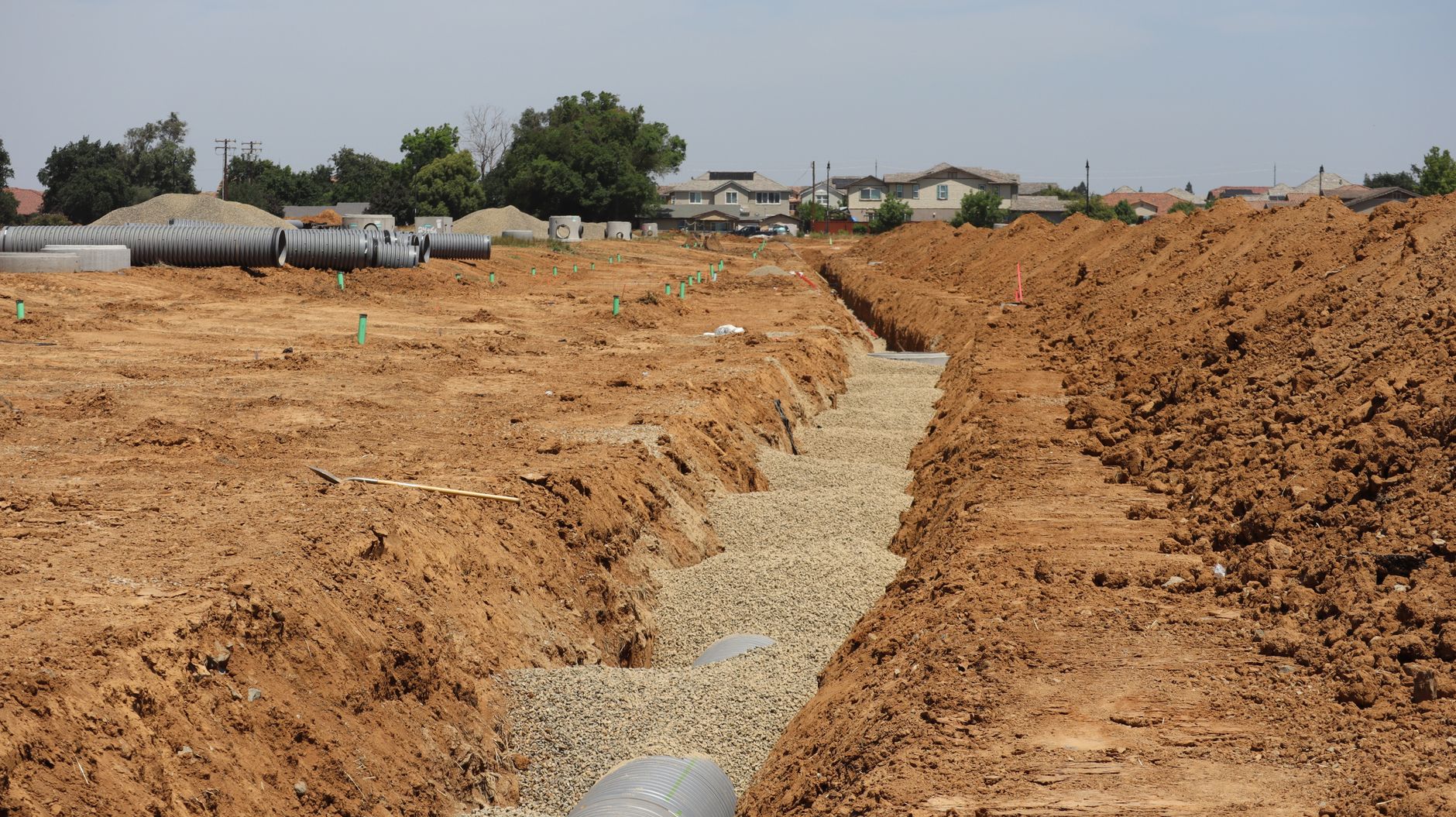
French drains, surface regrading, and catch basins are the three primary approaches to New Orleans yard drainage. Which one fits a property depends on where the water originates, how significant the slope problem is, and what discharge point is accessible from the yard.
| Solution | Best For | Typical New Orleans Cost |
|---|---|---|
| French Drain | Groundwater seeping up or runoff collecting in a low zone of the yard | $25 to $39 per linear foot |
| Surface Regrading | Yard sloping toward the house or flat with no path to drainage | $800 to $4,000 depending on scope |
| Catch Basin | High-volume surface water with a clear discharge path to a street drain | $1,000 to $3,500 installed |
| Combined System | Multiple low spots or chronic flooding across a large yard | $3,000 to $8,000 or more |
In New Orleans, properly installed French drains use 4-inch Schedule 40 PVC pipe rather than corrugated plastic. The city’s dense gumbo clay exerts enough lateral soil pressure to collapse corrugated pipe walls over time, reducing flow capacity and shortening the system’s life. Schedule 40 PVC holds its shape, maintains drainage performance, and lasts significantly longer in Orleans and Jefferson Parish soil conditions. This material distinction separates contractors familiar with New Orleans soil from those applying installation methods suited to sandier regions. Homeowners scheduling a drainage project after a major storm should also consider pairing it with a professional roof condition inspection, since the same heavy rainfall events that saturate yards often expose roofing vulnerabilities at the same time.
A French drain in New Orleans costs $25 to $39 per linear foot for materials and labor as of 2026, based on local contractor pricing. A 60-foot drain runs approximately $1,480 to $2,310. Projects requiring a sump pump, significant regrading first, or a new connection to SWBNO municipal infrastructure push total costs higher, often reaching $4,000 to $7,000 for more complex yards.
Several factors drive costs above the baseline rate. Depth matters: a drain installed 18 inches deep intercepts more water than a surface-level system but requires more excavation labor. Discharge location also affects pricing. A system that daylights naturally into a low area of the yard costs less than one routed under a structure or connected to the city drainage network, which requires a permit and inspection. Clay soil adds excavation effort compared to sandy or loam conditions because gumbo resists digging tools more than looser soil does.
Homeowners should factor in site restoration when comparing contractor quotes. Trenching through established grass and surface landscaping damages the yard, and sod replacement after the trench is filled represents a real additional cost. Big Easy Renovations handles both drainage installation and surface restoration in a single project scope. Homeowners who combine drainage with other outdoor improvements, including custom fencing or ironwork, can often reduce total project mobilization costs by scheduling work together through Big Easy Renovations’ outdoor fabrication and ironwork services.
A French drain that retains all collected water within the property boundaries typically does not require a permit in Orleans Parish. Any drainage system that connects to a SWBNO-maintained pipe, discharges through a curb cut to the street, or uses a sump pump to push water into a municipal storm drain requires a Sewerage and Water Board of New Orleans permit before work begins.
The SWBNO stormwater best practices standards prohibit any drainage discharge to neighboring properties, public sidewalks, or street gutters without authorization. Violations carry fines of up to $500 per day. Homeowners can request a preliminary project review by emailing permits@swbno.org before submitting a full permit application. Big Easy Renovations manages SWBNO permit submissions as part of full drainage installations when a permit is required, so homeowners do not navigate that process independently.
An exterior French drain installed correctly in Louisiana’s clay soil lasts 10 to 20 years in the hot-humid conditions of IECC Climate Zone 2A. Interior perimeter drains, which experience less soil disturbance and root exposure, typically last 30 to 40 years. The two largest threats to French drain longevity in the New Orleans area are tree root infiltration and sediment accumulation when the surrounding geotextile fabric fails.
Ready to stop losing your yard to standing water before the next storm season? Call Big Easy Renovations at (504) 294-8616 to schedule a drainage assessment. The team handles French drain installation, yard regrading, catch basins, and surface restoration across New Orleans, Metairie, Kenner, Gretna, and surrounding parishes. You can also describe your drainage situation through the project scheduling page to get a site visit on the calendar.
What is the most common reason New Orleans yards flood repeatedly after storms?
The most common cause is New Orleans gumbo clay soil, which absorbs water at only 0.1 to 0.5 inches per hour. When the soil is already saturated from prior events, surface water cannot drain until the Sewerage and Water Board of New Orleans clears the street system. Improper yard slope and land subsidence in many Orleans Parish neighborhoods compound the problem.
Can yard regrading replace a French drain in New Orleans?
Regrading alone resolves problems caused by a yard that slopes toward the house or collects runoff in a shallow low spot. It does not address groundwater rising from below or water trapped behind impermeable clay layers. Most New Orleans properties with recurring flooding benefit from both regrading and a French drain installed together to fully resolve the drainage issue.
Does the Sewerage and Water Board of New Orleans require a permit for drainage work?
French drains that keep all water on-site generally do not require a SWBNO permit. Systems connecting to municipal drainage infrastructure, using a sump pump to discharge into a street drain, or creating a new curb cut require a permit before installation begins. Big Easy Renovations coordinates SWBNO permit submissions as part of full drainage projects when a city connection is involved.
How many linear feet of French drain does the average New Orleans yard need?
Most residential French drain projects in New Orleans use 40 to 80 linear feet of perforated pipe. Smaller isolated problem areas may resolve with a 20- to 30-foot curtain drain. Properties with multiple low spots or large corner lots across Orleans and Jefferson parishes sometimes require systems exceeding 100 linear feet to address all drainage zones.
Can Big Easy Renovations handle both French drain installation and landscaping restoration?
Big Easy Renovations installs French drains, catch basins, and yard drainage systems across Greater New Orleans and handles sod replacement and surface restoration as part of the same project. Homeowners do not need a separate landscaping contractor after drainage trench work is complete. The company holds Louisiana State Licensing Board for Contractors Residential License 890459 and serves Orleans, Jefferson, and St. Tammany parishes.
How often does a French drain in New Orleans need maintenance?
Homeowners should inspect French drain outlets before hurricane season each year and clear any storm debris near the outlet. Systems within 15 feet of large trees should be inspected for root infiltration every 3 to 5 years. A drain with a built-in clean-out access point can be flushed periodically and should last well beyond 15 years in Louisiana conditions.
Quick Summary: A kitchen remodel in a New Orleans shotgun house costs $9,900 to $40,500 and typically takes 6 to 12 weeks. Pier-and-beam foundations, aging plumbing, and knob-and-tube wiring add co...
A bathroom renovation in New Orleans costs $2,500 to $50,000 or more in 2026 depending on scope, materials, and whether the project involves plumbing relocation. Big EZ Renovations handles bathroom...
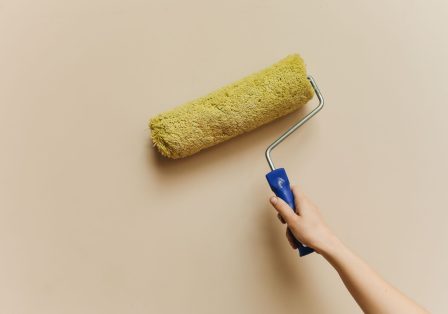
New Orleans homes lose paint adhesion fastest on walls that trap moisture behind the coating, and the culprit is almost always vapor rather than a bad paint job. Big EZ Renovations, licensed by the...

A FORTIFIED roof in Louisiana costs $4.40-$6.90 per square foot, or roughly $8,800-$13,800 for a 2,000 sq ft home, only 10-15% more than a standard replacement. The Louisiana Fortify Homes Program ...

Ever wondered which room in your home could give you the best return on investment when renovated? You’re not alone. Home renovation is a consistent priority for New Orleans homeowners, many...
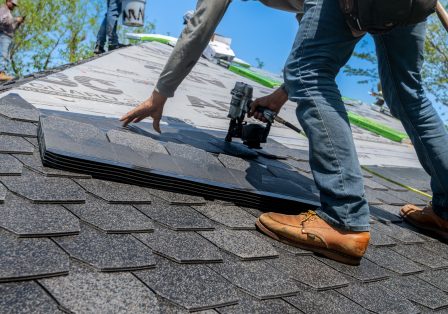
Quick Summary A New Orleans roof with isolated damage on a single section and fewer than 15 years of service can usually be repaired rather than replaced. Big Easy Renovations, licensed by the Lou...
 By BigEZRenovations
  0 Comment
  Sep 8, 2026
  By
BigEZRenovations
By
BigEZRenovations  0 Comments