

Opening Hours Mon - Fri: 8:00 AM - 3:00 PMSat - Sun: Closed
New Orleans’ Trusted Renovation Experts — Transform Your
Home with Confidence- Get Your Free Estimate
Opening Hours Mon - Fri: 8:00 AM - 3:00 PMSat - Sun: Closed

Talk to an Expert504-294-8616
Opening Hours Mon - Fri: 8:00 AM - 3:00 PMSat - Sun: Closed

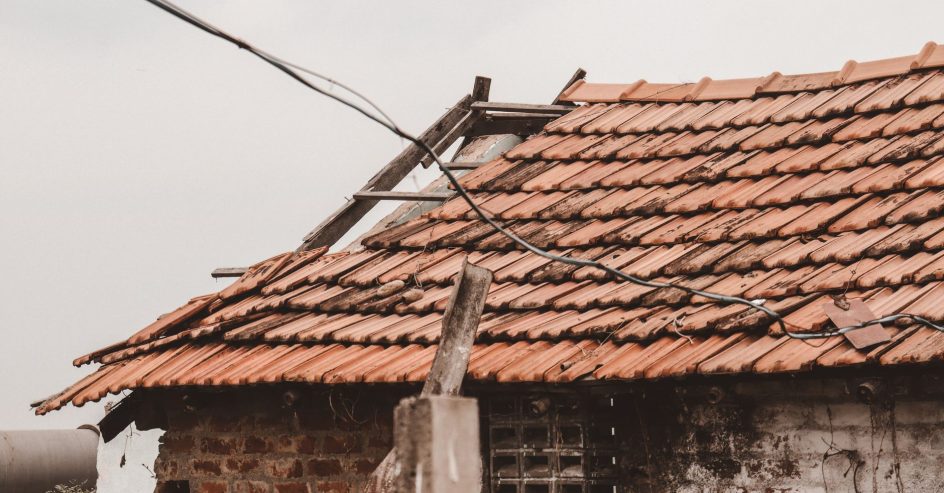
Big Easy Renovations is an LSLBC-licensed roofing contractor (Residential License #890459, Commercial License #3667) serving Orleans Parish, Jefferson Parish, and St. Tammany Parish, specializing in hail damage inspections and insurance claim coordination for Louisiana homeowners. Louisiana sits in Dixie Alley, where fast-moving squall lines produce hail with less warning time than Great Plains storms, and NOAA records show April alone accounts for 1,607 documented hail events in Louisiana’s recorded storm history. Homeowners who suspect hail damage should document the damage promptly and file with their insurer, as Louisiana Revised Statute 22:1892 requires insurers to begin loss adjustment within 14 days of notification and pay undisputed amounts within 30 days of satisfactory proof of loss. The Louisiana Department of Insurance at ldi.la.gov oversees insurer compliance and accepts complaints when adjusters fail to meet those statutory deadlines.
Last Updated: June 2026
Hail damage on Louisiana roofs is almost always invisible from the ground, and most homeowners never know their shingles are compromised until water appears on an interior ceiling months later. A single spring storm can displace enough granules, bruise the asphalt mat, and crack seal strips to cut years off a roof’s service life, all without leaving a mark visible to the naked eye from the street. Big Easy Renovations performs on-roof inspections across Greater New Orleans and handles the full repair process, from hail damage assessment through final roof repair and replacement, so homeowners have an independent professional record before they ever contact their insurer.
Louisiana’s spring storm window is short and punishing, and the damage it leaves behind triggers specific statutory obligations from insurers. Under Louisiana Revised Statute 22:1892, an insurance company must begin adjusting a reported loss within 14 days and pay any undisputed amount within 30 days of satisfactory proof of loss. Knowing those deadlines before you file puts you in a stronger position, and working with a licensed contractor who understands the claim process is one of the most practical steps a New Orleans area homeowner can take. The team at Big Easy Renovations’ full roofing and renovation services includes experienced estimators who document damage in the format insurers require.
Hail damage on asphalt shingles takes three forms: granule displacement from the surface, bruising of the asphalt mat beneath those granules, and fracturing of the factory-applied seal strips that hold shingles flat. Granule loss is the most visible sign, but mat bruising and broken seals are the forms that directly cause leaks and are often invisible until a professional walks the roof.
Granule displacement happens when hailstones strike the shingle surface and knock the embedded mineral granules loose, exposing the darker asphalt mat below. In Greater New Orleans, which sits in IECC Climate Zone 2A, the combination of intense UV radiation and year-round humidity already accelerates granule aging faster than in drier climates. A hailstorm compounds that wear in minutes. The clearest early sign a homeowner can spot is an unusual accumulation of coarse, sand-like granules in gutters and at downspout outlets in the days following a storm.
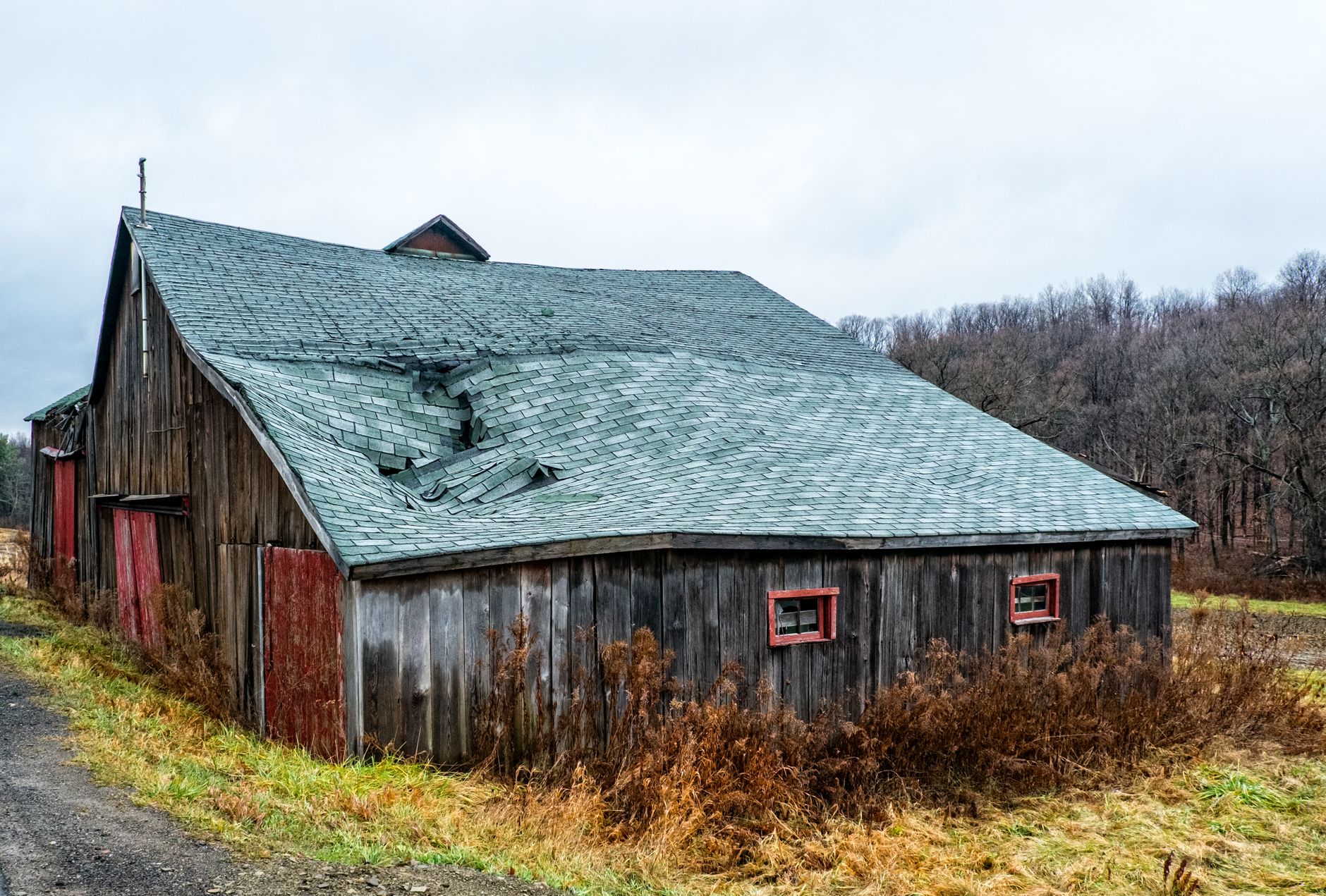
Asphalt mat bruising is harder to detect. A trained inspector will press the shingle surface and feel for a soft, spongy area where the mat has been crushed without the overlying granules showing obvious displacement. Fractured seal strips are a related problem: the adhesive tabs that bond overlapping shingles to each other crack on impact, and those shingles begin to lift at the edges in subsequent wind events, creating a pathway for water intrusion that shows up inside the home long after the storm.
Because bruising and broken seals are invisible from the ground and often invisible even on visual inspection without physical contact, a professional on-roof assessment is the only reliable way to document functional damage for an insurance claim. Self-inspections from the attic or a ladder at the eave miss the vast majority of impact points across the full roof field.
Metal components on and around the roof show hail impact far more clearly than shingles do, because soft metals dent on contact and hold the impression permanently. A homeowner who walks the perimeter of their home after a storm can document strong evidence of hail size and intensity before ever going near a ladder.
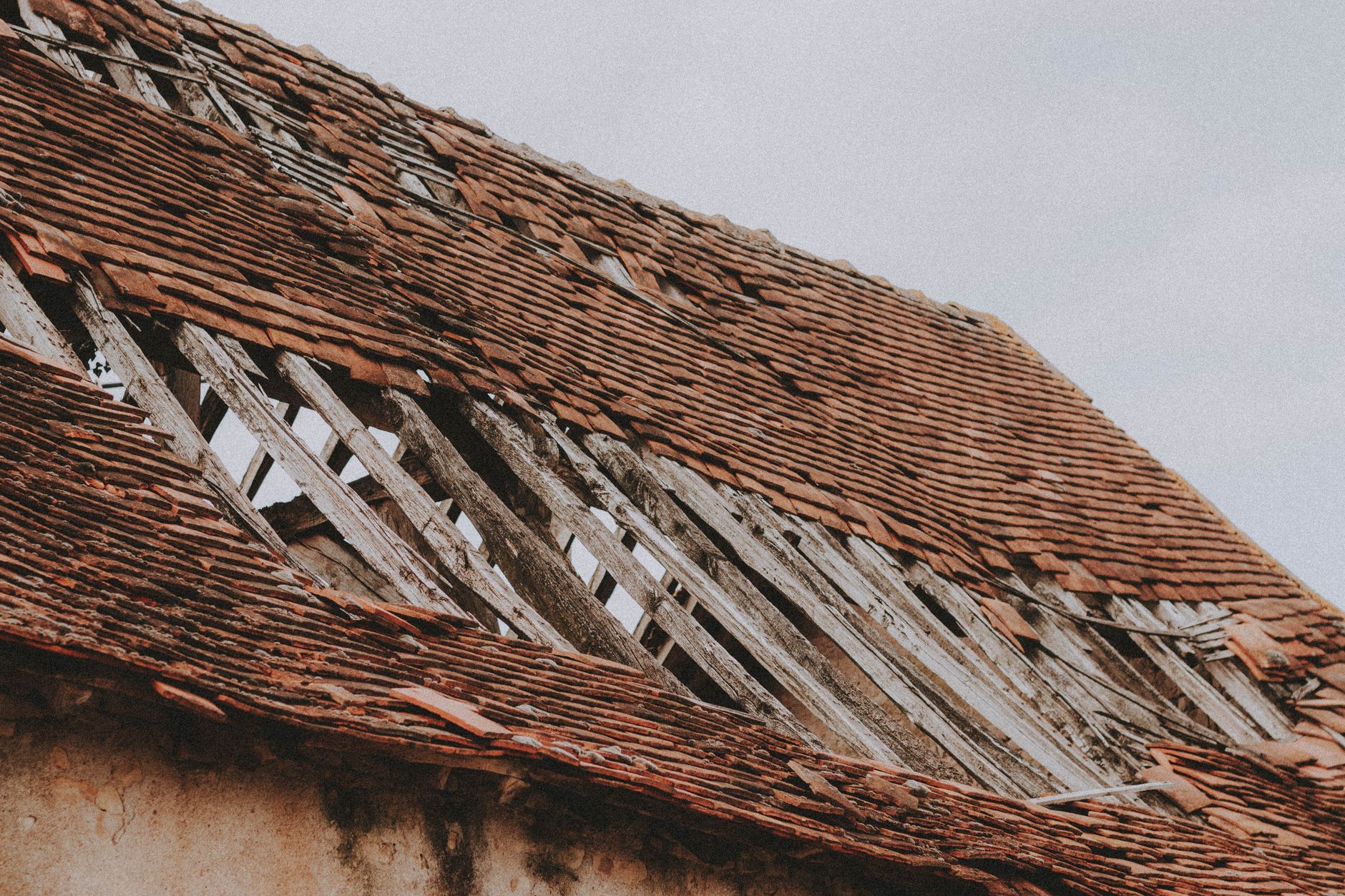
Photographing every dented gutter section, vent cap, and window sill with a ruler or coin for scale before your adjuster visits creates an independent record of hail size and coverage that is far harder to dispute than shingle photos alone. Adjusters and insurance carriers respond to objective evidence, and metal surfaces provide exactly that.
NOAA records show that April is Louisiana’s single busiest hail month, with 1,607 documented hail events recorded in state history, the highest single-month total in Louisiana’s recorded storm data. That number reflects a concentrated spring convective window that runs from roughly March through early June, when atmospheric conditions over the Gulf Coast favor repeated severe storm development and hail-producing updrafts.
Louisiana sits in Dixie Alley rather than the Great Plains tornado corridor, which means damaging hail here arrives primarily from squall lines and mesoscale convective complexes rather than isolated supercells. Those storm types move faster and give residents less warning time than the slower-moving supercells typical of Oklahoma or Kansas. The National Weather Service designates hail at or above one inch in diameter, roughly quarter-sized, as severe, and one-inch stones reliably cause functional damage to asphalt shingles. In IECC Climate Zone 2A, where Greater New Orleans roofs already carry accelerated wear from UV intensity and persistent humidity, a single severe hail event on a roof approaching the ten-year mark can push it past functional service life years ahead of schedule.
Louisiana property insurers distinguish between functional hail damage, meaning damage that compromises the roof’s ability to keep water out or shortens its service life, and cosmetic damage, which affects appearance only. Most standard homeowner policies cover functional damage but may limit or exclude purely cosmetic claims. Documenting mat bruising, broken seals, and granule loss patterns in writing and photographs, tied to a specific storm date from NOAA storm records, is the foundation of a functional damage claim.
Louisiana Revised Statute 22:1337 governs how deductibles apply to different storm types, and the distinction matters significantly for hail claims. Hail that falls during a storm not designated as a named tropical system is treated as a non-named-storm loss, and the applicable deductible is the flat dollar deductible shown on the policy, typically in the range of one thousand to twenty-five hundred dollars. Many New Orleans area homeowners wrongly assume their two-to-five percent named-storm percentage deductible applies to all storm damage. Applying the wrong deductible could cause a homeowner to abandon a legitimate claim, believing their out-of-pocket cost is far higher than it actually is.
Homeowners insured through Louisiana Citizens Property Insurance, the state’s insurer of last resort for coastal properties, have the same RS 22:1892 timeline protections as those with private carriers. If Citizens or any insurer fails to meet the 14-day adjustment start or the 30-day payment deadline, the Louisiana Department of Insurance at ldi.la.gov handles formal complaints and enforcement actions against non-compliant carriers, including disputes over deductible classification and claim denials.
Before contacting your insurer after a suspected hail event, document everything you can safely access from the ground, arrange an independent licensed inspection, and make any emergency temporary repairs needed to prevent further water intrusion. Having an independent record in hand before the adjuster visit protects your claim from the start.
Big Easy Renovations supports homeowners throughout the insurance claim process from first inspection through final settlement, providing written damage reports, scope-of-work estimates in insurer-compatible formats, and direct communication with adjusters. Unresolved roof leaks cause damage well beyond the roof itself: roof leaks are a leading cause of interior paint peeling in New Orleans homes, water that enters at the roof field often reaches bathroom ceilings long before visible mold or staining appears, and prolonged intrusion through the structure means kitchen ceilings and cabinets can show moisture damage from roof leaks that went undetected for months.
To schedule a hail damage inspection or discuss your insurance claim, call Big Easy Renovations at (504) 294-8616 or submit a request through our contact page. We serve Orleans Parish, Jefferson Parish, and St. Tammany Parish, and our team includes estimators experienced in working with both private carriers and Louisiana Citizens Property Insurance. If your roof replacement qualifies, we can also discuss FORTIFIED roof upgrades under the IBHS FORTIFIED Home standard, which may reduce your insurance premiums and strengthen your home against the next storm season.
How can you tell if hail damaged your roof without going on the roof?
Start at the gutters. Fresh dents along the top edge of aluminum gutters and granule accumulation inside the trough are reliable indicators of shingle damage above. Check soft-metal vent caps, window sills, and vinyl siding for dimples and pockmarks. These ground-level signs confirm that hail reached your roof with enough force to cause shingle damage.
Does quarter-sized hail actually damage asphalt shingles in Louisiana?
Yes. The National Weather Service sets the severe hail threshold at one inch in diameter, which is roughly quarter-sized, and that size consistently causes functional damage to asphalt shingles. In Greater New Orleans, where IECC Climate Zone 2A conditions accelerate shingle aging through UV exposure and humidity, a roof that is already several years old is especially vulnerable to impact damage from stones at or above that threshold.
How long does a homeowner have to file a hail damage insurance claim in Louisiana?
Louisiana Revised Statute 22:1892 requires insurers to begin loss adjustment within 14 days of notification and to pay undisputed amounts within 30 days of satisfactory proof of loss. While the statute does not set a hard filing deadline for homeowners, filing promptly is strongly advisable. Waiting beyond 60 days risks adjuster arguments about new versus storm damage and potential policy-based filing deadlines.
What is the difference between functional and cosmetic hail damage on a roof?
Functional hail damage compromises the roof’s ability to prevent water intrusion or measurably shortens its remaining service life. Cosmetic damage affects only appearance, such as surface scuffs on shingles that leave the waterproofing layer intact. Most standard homeowner policies cover functional damage. Asphalt mat bruising, fractured seal strips, and significant granule displacement typically qualify as functional damage under Louisiana policy language.
Does hail damage always require full roof replacement in New Orleans?
Not always. Localized damage from smaller stones on a relatively young roof may be addressed through a targeted repair. However, when hail strikes across the full roof field and the shingles are more than eight to ten years old, the cumulative loss of granules and seal integrity across hundreds of shingles often makes full replacement the more cost-effective and insurer-approved solution. An on-roof inspection determines the actual scope.
Can Big Easy Renovations help coordinate the insurance claim after hail damage?
Yes. Big Easy Renovations holds LSLBC Residential Contractor License #890459 and Commercial Contractor License #3667 and serves Orleans Parish, Jefferson Parish, and St. Tammany Parish. Big Easy Renovations provides written damage documentation, insurer-compatible scope-of-work estimates, and direct communication with adjusters to support the claim from first inspection through final approval and completed repairs across all parishes served.
What You Need to Know French drain installation in New Orleans costs between $25 and $39 per linear foot, with most residential projects running $1,500 to $4,000 depending on yard size, depth, and...
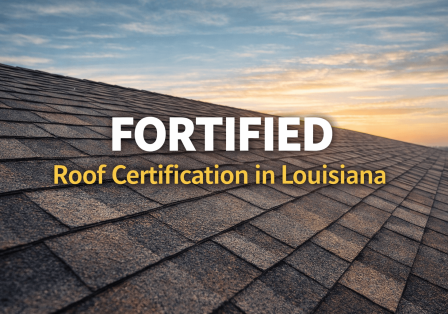
A FORTIFIED roof in Louisiana costs $4.40-$6.90 per square foot, or roughly $8,800-$13,800 for a 2,000 sq ft home, only 10-15% more than a standard replacement. The Louisiana Fortify Homes Program ...
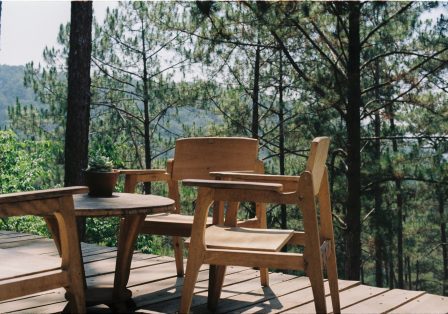
What You Need to Know Composite decking outlasts pressure-treated wood by 15 to 35 years in New Orleans’ hot-humid subtropical climate, and it does so without the annual sealing, staining, o...
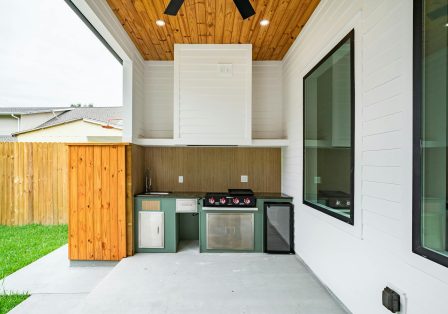
Quick Summary Planning an outdoor kitchen in New Orleans means designing for IECC Climate Zone 2A, a hot-humid environment that receives 61 inches of rain each year and exposes every outdoor surfa...
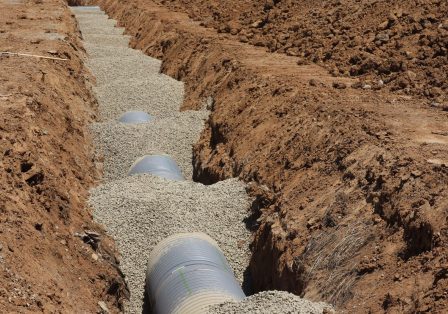
What You Need to Know French drain installation in New Orleans costs $25 to $39 per linear foot, with most residential projects landing between $2,642 and $3,806 depending on length, depth, and so...
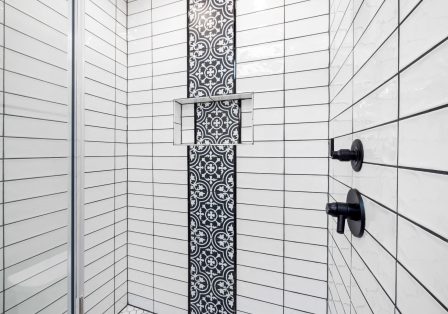
Quick Summary Bathroom renovation in New Orleans, Louisiana requires a permit from the Orleans Parish Department of Safety and Permits before any plumbing, electrical, or structural work begins. M...
 By BigEZRenovations
  0 Comment
  Jun 9, 2026
  By
BigEZRenovations
By
BigEZRenovations  0 Comments