Opening Hours Mon - Fri: 8:00 AM - 3:00 PMSat - Sun: Closed
New Orleans’ Trusted Renovation Experts — Transform Your
Home with Confidence- Get Your Free Estimate
Opening Hours Mon - Fri: 8:00 AM - 3:00 PMSat - Sun: Closed

Talk to an Expert504-294-8616
Opening Hours Mon - Fri: 8:00 AM - 3:00 PMSat - Sun: Closed

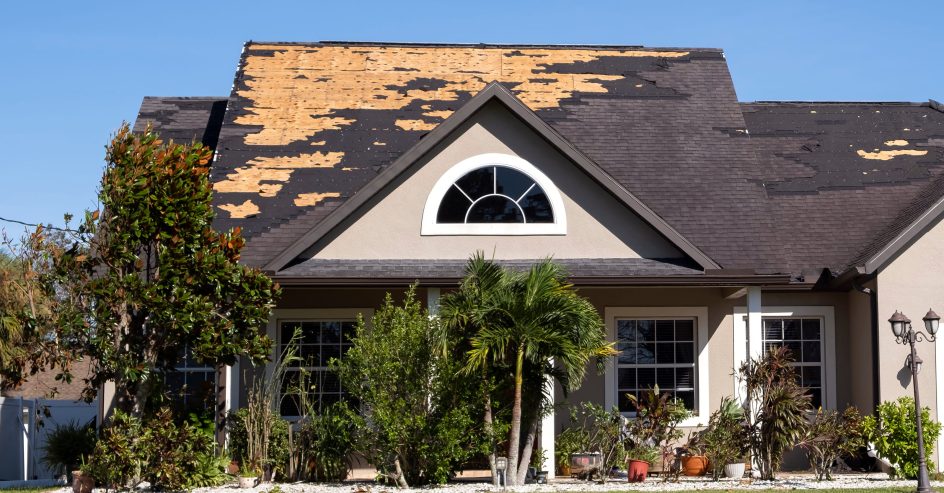
Louisiana homeowners typically have 180 days to file a roof insurance claim after hurricane damage. Insurance companies must begin adjusting your claim within 14 days (or 30 days after a catastrophic event) and must pay within 30 days of receiving satisfactory proof of loss. Document damage within the first 72 hours, get independent estimates before the adjuster arrives, and understand that hurricane deductibles of 2-5% of your home’s insured value apply separately from your standard deductible.
Filing a roof insurance claim in Louisiana can feel overwhelming, especially when you’re already dealing with the stress of storm damage. Between understanding your policy, meeting deadlines, and working with adjusters, homeowners often feel lost in the process.
The good news is that Louisiana has strong policyholder protections built into state law. When you understand the process and your rights, you can navigate claims confidently and maximize your chances of a fair settlement.
This guide walks you through every step, from documenting damage to receiving payment, with specific attention to Louisiana’s unique requirements and deadlines. For a broader overview of roofing in our region, see our complete guide to roofing in New Orleans.
The first 72 hours after discovering roof damage are the most important for your insurance claim. Your actions during this window can make or break your case.
Before inspecting your property, make sure it’s safe to do so. Stay clear of downed power lines, fallen trees, and structural damage. If damage is severe, wait for professionals before entering certain areas.
Your insurance policy requires you to mitigate (prevent) further damage to your property. This means:
Keep all receipts for emergency repairs. These temporary mitigation expenses are typically reimbursable, even before your claim is approved.
Take time-stamped photos and videos of all damage. The more thorough your documentation, the stronger your claim. Capture:
Name your photo files clearly and consistently (example: 2026-03-06_roof_valley-east_missing-shingles.jpg). A clear file system helps adjusters track damage paths from roof to interior.
If safe to do so, retain any fallen shingles, broken vents, or other debris for the adjuster to inspect. Store them in a dry location.
Once you’ve stabilized the property and documented damage, it’s time to notify your insurance company.
Louisiana law doesn’t specify an exact deadline for initial notification, but you should report damage as soon as possible. Most policies require “prompt” notice. For hurricane-specific damage, you typically have 180 days from the storm date to file your claim with proof of loss.
You can file by:
When you call, be concise and factual. Here’s a sample script:
“I’m opening a roof claim for storm damage at [address] that occurred on [date]. We’ve stopped active leaks with temporary tarping and have time-stamped photos of lifted shingles, wet attic insulation, and ceiling stains. Please confirm my claim number and let me know the next steps.”

Before the insurance adjuster arrives, schedule an independent inspection with a licensed roofing contractor. At Big EZ Renovations, we offer free roof inspections that give you:
Understanding how much roof repairs typically cost helps you evaluate whether the insurance company’s estimate is fair.
Louisiana has specific timelines that protect policyholders. Knowing these helps you hold your insurer accountable.
| Deadline | Requirement |
|---|---|
| 180 days | File your claim with proof of loss after a hurricane (typical; can be extended by state after major storms) |
| 30 days | Respond to insurer requests for sworn proof of loss (if formally requested) |
| 2 years | Statute of limitations to file a lawsuit against your insurer for unpaid damages (La. R.S. 22:868) |
| Timeline | Requirement |
|---|---|
| 14 days | Must begin adjusting your claim after receiving notice (normal circumstances) |
| 30 days | Extended deadline for catastrophic loss events |
| 72 hours | Louisiana Citizens must contact you to schedule inspection |
| 30 days | Must pay your claim after receiving satisfactory proof of loss |
If your insurer misses these deadlines, they may be subject to penalties under Louisiana law, including potential bad faith damages of 50% of the amount owed plus attorney fees (La. R.S. 22:1892).
Louisiana policies typically have a separate hurricane deductible that’s different from your standard deductible. This catches many homeowners off guard.
Hurricane deductibles are usually a percentage of your home’s insured value (Coverage A), typically ranging from 2% to 5%.
Example:
This is separate from your regular deductible. If you have a $2,500 standard deductible and a 5% hurricane deductible, the hurricane deductible applies to hurricane-related claims instead of (not in addition to) your standard deductible.
Some policies have a “calendar year” hurricane deductible. This means if you have multiple hurricane claims in the same calendar year, you only pay the deductible once. Subsequent hurricane claims that year would have no deductible.
One way to lower your insurance costs (and potentially your deductible) is upgrading to a FORTIFIED roof. Louisiana homeowners with FORTIFIED certification save a median of 22% on premiums, and some insurers offer additional deductible benefits for fortified homes.
After you file your claim, the insurance company will send an adjuster to inspect the damage. Here’s how to make this process work in your favor.
Your roofing contractor can point out damage the adjuster might miss and speak knowledgeably about repair requirements. Louisiana law now prohibits contractors from acting as your insurance adjuster or handling claims on your behalf (HB 121, signed 2025), but they can absolutely be present during inspections to provide their professional perspective.
The adjuster will assess:
Understanding how long roofs last in New Orleans can help you discuss whether damage is age-related or storm-caused.
Take notes on what the adjuster examines and any comments they make. Ask questions if something is unclear. Request a copy of their report once it’s completed.
Insurance companies sometimes undervalue claims or deny them entirely. You have options.
Louisiana’s Policyholder Bill of Rights (passed 2023) gives you the right to see your complete insurance claim file. This includes all estimates, notes, photos, videos, reports, and other documentation used in the claims process. Request this in writing if you disagree with the settlement.
 If the adjuster’s estimate seems low, get additional estimates from licensed contractors. Document why your estimates differ from the insurance company’s assessment.
If you’re struggling with a complex or disputed claim, a licensed public adjuster can represent your interests. They work for you (not the insurance company) and typically charge a percentage of your settlement. Louisiana law requires public adjusters to be licensed and prohibits them from also serving as contractors on the same claim.
Most policies include an appraisal clause for disputes over the amount of loss. Either party can demand appraisal, where each side hires an appraiser and the two appraisers select an umpire. The decision is binding.
If you believe your insurer is acting in bad faith, you may have grounds for a lawsuit. Louisiana law allows recovery of 50% of the amount owed plus attorney fees in bad faith cases. The statute of limitations is 2 years from the date of loss.
Once your claim is approved, you’ll need to decide whether to repair the damage or replace the entire roof. This decision depends on several factors.
If damage is localized and your roof is relatively young, repairs may be the right choice. But if your roof is older or damage is widespread, replacement often makes more financial sense — especially in Louisiana’s harsh climate where repair vs. replacement decisions require careful consideration of our humidity and storm exposure.
When replacing, consider upgrading to hurricane-resistant roofing materials that can better withstand future storms and may qualify you for insurance discounts.
Learning from others’ mistakes can help your claim go smoothly.
Don’t rely on a few photos. Capture multiple angles of every damaged area, both close-ups and wide context shots. Include the attic, which often shows water intrusion patterns.
Keep every receipt for tarps, temporary repairs, emergency supplies, and additional living expenses. Label each with the storm date and purpose.
Many homeowners skip the attic, but moisture lines on sheathing and wet insulation are powerful evidence of wind-driven rain through the roof.
The 180-day deadline may seem long, but evidence degrades, memories fade, and circumstances change. File promptly.
Insurance company estimates aren’t final. Review them carefully, compare them to your contractor’s estimate, and negotiate if there are discrepancies.
Don’t begin permanent repairs before the adjuster inspects. Emergency tarping is fine (and required), but hold off on full repairs until damage is documented.
Navigating an insurance claim while repairing storm damage is stressful. Big EZ Renovations works with New Orleans homeowners throughout the insurance process:
We focus on what we do best: quality roofing work. We don’t handle your insurance claim for you (that’s now prohibited in Louisiana), but we make sure you have the documentation and expertise you need to advocate for yourself.
Call 504-294-8616 for a free storm damage inspection, or contact us online.
For hurricane damage, Louisiana homeowners typically have 180 days from the storm date to file a claim with proof of loss. The Louisiana Department of Insurance can extend this deadline after major storms. For non-hurricane damage, check your policy for specific requirements, but prompt notification is always best.
Most homeowners insurance policies cover sudden storm damage from wind, hail, and fallen trees. However, damage from gradual wear and tear, neglected maintenance, or flooding (which requires separate flood insurance) is typically excluded. Review your policy’s declarations page or contact your agent to understand your specific coverage.
No. Louisiana HB 121 (effective August 2025) prohibits roofing contractors from acting as insurance adjusters or handling claims before a homeowner files. Your contractor can inspect damage, provide estimates, and attend the adjuster meeting, but the claim itself must be filed and managed by you or a licensed public adjuster.
If your repair costs are less than your hurricane deductible, you’ll pay the full cost out of pocket. However, it’s still wise to report the damage to your insurer, as additional damage may be discovered later, and you’ll want the initial claim on file.
Signs of bad faith include unreasonable delays, failure to investigate properly, denying claims without explanation, and offering settlements far below documented damage costs. If you suspect bad faith, consult with an attorney who specializes in insurance claims. Louisiana law provides significant penalties for insurers who act in bad faith.
Yes. Getting 2-3 estimates from licensed, reputable contractors gives you a realistic picture of repair costs and provides documentation if the insurance company’s estimate is too low. Make sure estimates are detailed and itemized.
Roof repair in New Orleans typically costs $150 to $1,500 for minor repairs like patching leaks or replacing a few shingles. More extensive repairs involving water damage or structural issues range...
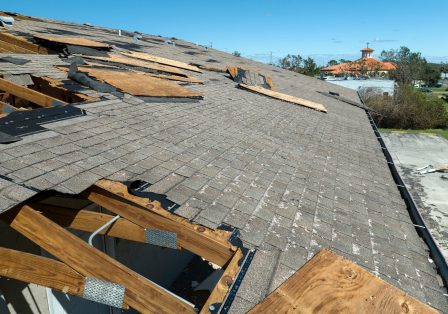
After hurricane roof damage in New Orleans, your first priorities are personal safety, preventing further water intrusion, and documenting everything before you touch it. Tarp exposed areas, photog...
New Orleans roofs face unique challenges from hurricanes, humidity averaging 74%, intense UV exposure, and 62 inches of annual rainfall. Asphalt shingle roofs typically last 10-15 years here versus...

Ever wondered which room in your home could give you the best return on investment when renovated? You're not alone. Home renovation is a hot topic among homeowners, with many seeking to improv...
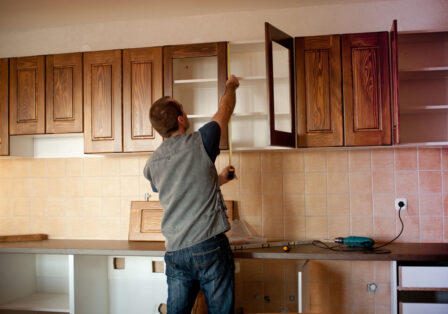
Starting a home renovation is like opening a door to a world of possibilities, where your living space can be transformed into something truly remarkable. At Big EZ Renovations, we appreciate the i...
 By BigEZRenovations
  0 Comment
  Mar 6, 2026
  By
BigEZRenovations
By
BigEZRenovations  0 Comments