

Opening Hours Mon - Fri: 8:00 AM - 3:00 PMSat - Sun: Closed
New Orleans’ Trusted Renovation Experts — Transform Your
Home with Confidence- Get Your Free Estimate
Opening Hours Mon - Fri: 8:00 AM - 3:00 PMSat - Sun: Closed

Talk to an Expert504-294-8616
Opening Hours Mon - Fri: 8:00 AM - 3:00 PMSat - Sun: Closed

Quick Summary
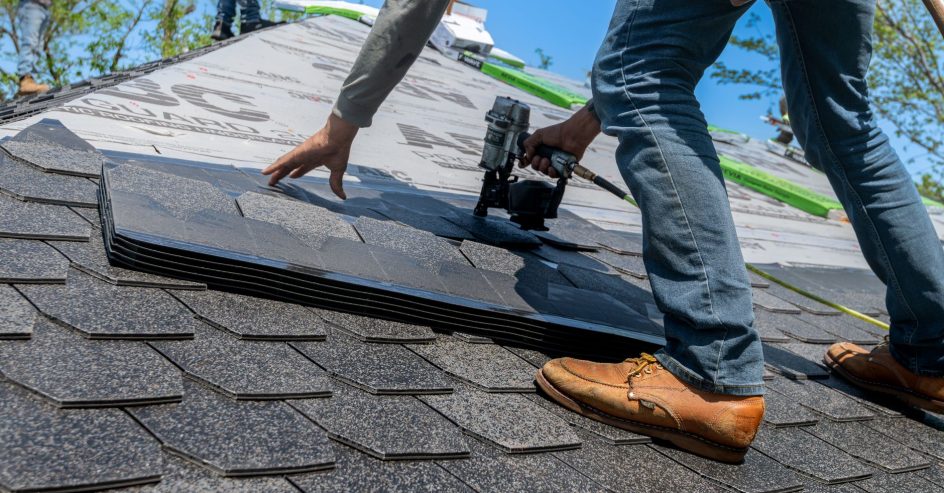
A New Orleans roof with isolated damage on a single section and fewer than 15 years of service can usually be repaired rather than replaced. Big Easy Renovations, licensed by the Louisiana State Licensing Board for Contractors (LSLBC) under Residential License #890459, assesses roofs across Greater New Orleans, Jefferson Parish, St. Tammany Parish, and surrounding parishes using the 50% rule, IECC Climate Zone 2A lifespan benchmarks, and each homeowner’s insurance policy terms to determine which option protects their investment. Full replacement opens the door to the IBHS FORTIFIED Roof designation, which qualifies homeowners for the Louisiana Fortify Homes Program grant, a City of New Orleans CDBG grant of up to $35,000, and insurance premium discounts now mandated by the Louisiana Department of Insurance.
Last Updated: September 2026
Repairing a roof makes financial sense when damage is contained, the underlying system is structurally solid, and enough service life remains to justify the repair cost. Big Easy Renovations evaluates roofs across Greater New Orleans, Jefferson Parish, St. Tammany Parish, and surrounding parishes, applying the 50% rule, IECC Climate Zone 2A lifespan standards, and insurance policy terms to determine which path forward protects the homeowner’s investment. Replacement becomes the better option when damage spans multiple roof areas, the decking is compromised, or the roof is old enough that another repair would only delay a larger expense by a season or two.
Roof repair is the right call when damage is limited to a clearly defined area, the rest of the system is structurally sound, and the roof has fewer than 15 years of service under Greater New Orleans conditions. A single failed flashing section, a small cluster of cracked or missing shingles, or one roof penetration that failed after a storm are all repair candidates, provided the decking underneath shows no moisture damage or rot.
Asphalt shingle roofs in IECC Climate Zone 2A, the hot-humid classification covering Greater New Orleans and the surrounding Louisiana parishes, typically deliver 15 to 20 years of reliable service compared to the 25 to 30-year range cited in national product specs. Heat cycling, year-round humidity, UV intensity, and Gulf Coast storm exposure break down granule coating and shingle integrity faster than those ratings reflect. A 10-year-old roof with a single damaged section is a repair candidate; the same roof at year 18 with comparable damage is a replacement conversation.
Any homeowner with a roof past the 12-year mark should schedule a full inspection before committing to a patch repair. A contractor who quotes repair work without examining the broader system may leave the homeowner facing a second service call within the same hurricane season. Reviewing what hail and storm damage looks like on a New Orleans roof before it escalates into a structural problem helps homeowners catch issues at the repair stage rather than the replacement stage.
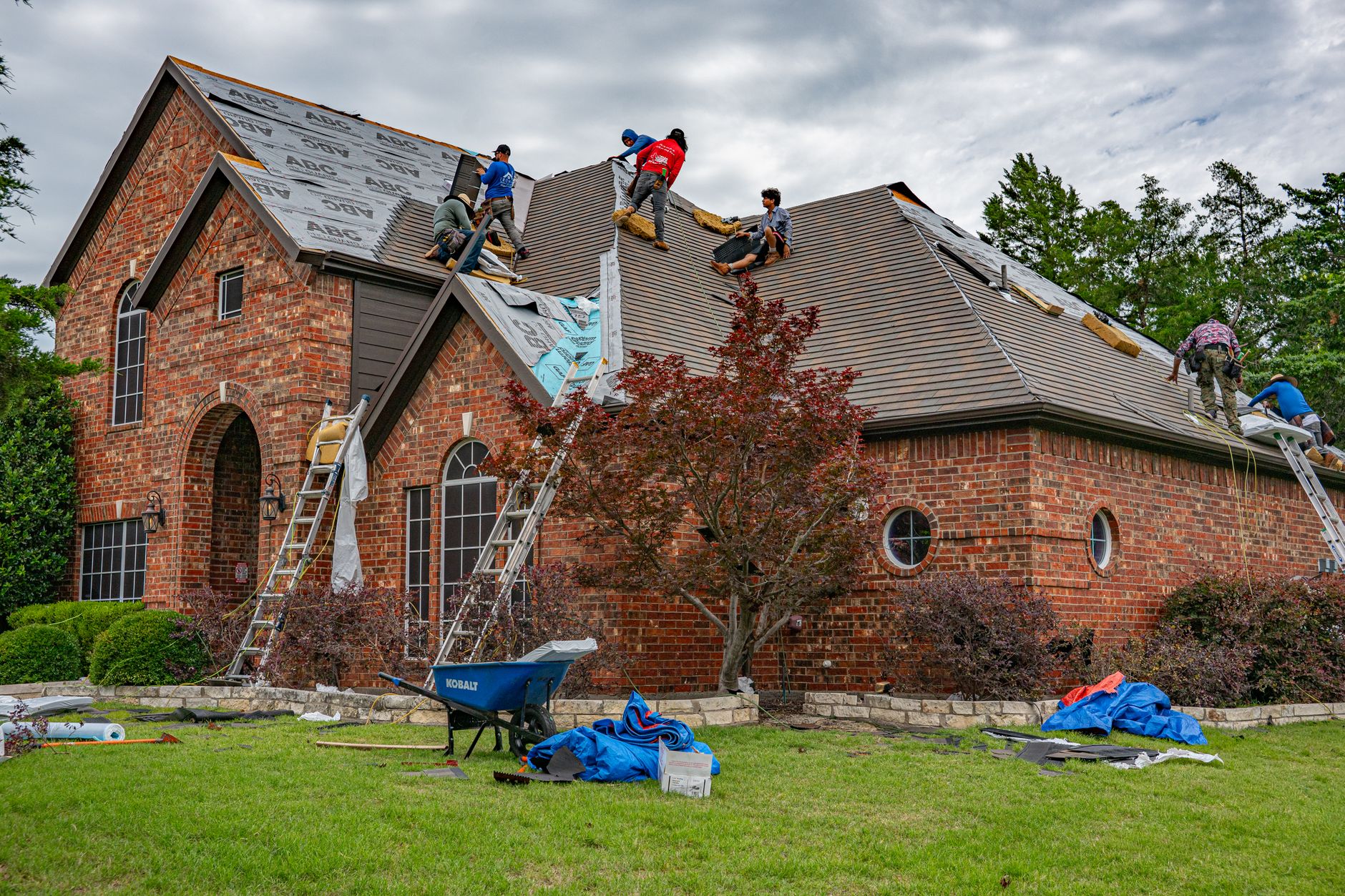
Water staining on attic decking, granules collecting in gutters in significant quantity, and shingle edges that curl upward or downward indicate systemic aging rather than isolated event damage. Those signs do not automatically mean the roof must be replaced, but they shift the inspection toward determining whether the system can still protect the home through another active hurricane season. The Insurance Institute for Business and Home Safety (IBHS) and the Orleans Parish Building Department both recommend addressing those conditions before they reach the sheathing level, where moisture-damaged decking adds substantial cost to any subsequent project.
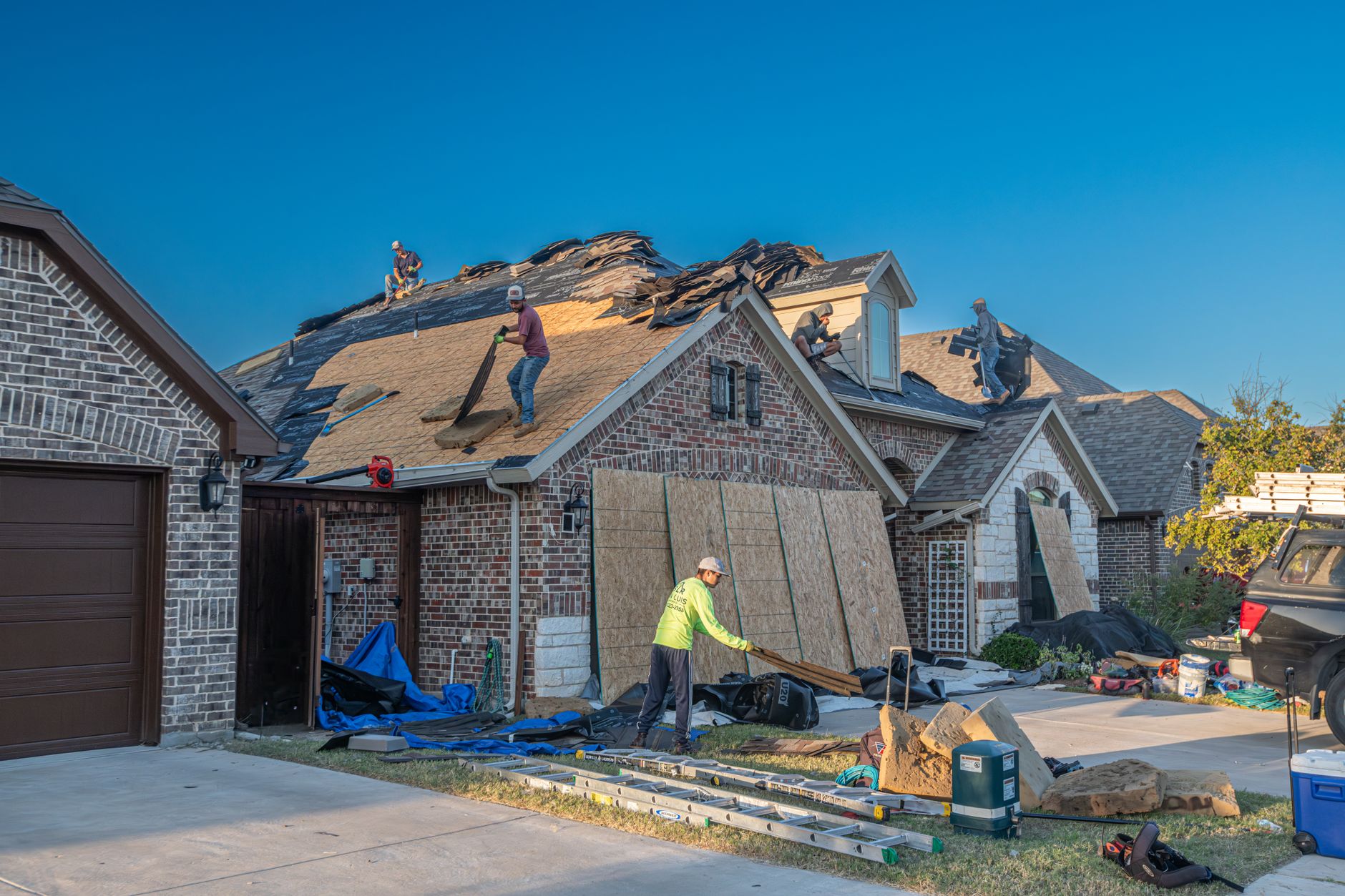
Full replacement becomes the better long-term decision when damage covers more than 30% of the total roof area, when the decking shows moisture damage or structural weakness, or when the roof has aged past the point where a repair extends service life by more than one or two years. Homeowners evaluating a full roof replacement in Greater New Orleans typically arrive at that conclusion through widespread storm damage or progressive systemic failure that cannot be addressed cost-effectively through patching alone.
Coastal asphalt shingle roofs at or past the 15-year mark enter a different insurance territory in Louisiana. Carriers frequently shift policies on older roofs from Replacement Cost Value (RCV) coverage, which pays the full cost of a new roof without deducting for depreciation, to Actual Cash Value (ACV) coverage, which applies a depreciation schedule that can reduce the claims payout by 40% to 50% on a roof that is 15 or more years old. Understanding which policy type applies before a storm is far less expensive than discovering the distinction during a claims dispute. The Louisiana Department of Insurance (Louisiana DOI) provides homeowner guidance on policy terms and handles appeals when carriers dispute coverage on storm-damaged roofs.
The 50% rule is the most widely used benchmark for the repair-or-replace decision: when a repair estimate exceeds 50% of the cost of a full replacement on the same structure, replacement is the financially sound choice. A roof where repair costs $9,000 and full replacement runs $16,000 gains almost nothing from patching, and the homeowner loses the warranty reset and condition documentation that comes with a new installation. For coastal New Orleans properties, most contractors also apply a coastal age threshold: if an asphalt shingle roof is over 15 years old and the repair cost exceeds $2,000, replacement typically makes more long-term economic sense.
Orleans Parish Ordinance 30,235 MCS, adopted by the City of New Orleans in May 2025, introduces a parallel 50% threshold from a permitting standpoint. Any residential re-roofing project that replaces more than half of the roof area on a one- or two-family home now requires a permit from the Orleans Parish Building Department. The ordinance aligns with the 2021 International Building Code and was designed in part to help homeowners qualify for reduced insurance premiums and to document roofing work for grant program requirements. Act 422, effective August 1, 2025, additionally requires that all roofing work in Louisiana be performed by a contractor holding a separate LSLBC roofing license regardless of project value.
Homeowners in the Marigny, Treme, Bywater, or any other Historic District Landmarks Commission (HDLC)-regulated neighborhood in Orleans Parish face an additional requirement during a full replacement. The HDLC governs exterior alterations on properties in 14 or more historic districts across the city, and a re-roofing project that changes material type or profile may require a Certificate of Appropriateness (COA) before work begins. Confirming HDLC jurisdiction and whether a COA is needed before the permit is pulled avoids approval delays once the crew is on site. Homeowners can check their property’s historic district status through a pre-replacement roof inspection in New Orleans that flags permit and approval requirements alongside condition findings.
Please note: The prices in this article are estimates only, shared to help you plan. Your actual cost depends on your property, the materials and the size of the job. For pricing on your project, call Big EZ Renovations for a quote.
Replacing a roof and adding an IBHS FORTIFIED Roof designation at the same time is one of the most cost-effective roofing decisions a New Orleans homeowner can make. The incremental cost difference between a standard replacement and a FORTIFIED-rated installation is significantly smaller when the projects are combined than when a FORTIFIED upgrade is attempted as a standalone project later. The designation then qualifies the home for financial benefits that outpace that incremental difference in most Greater New Orleans ZIP codes.
The Louisiana Department of Insurance administers the Louisiana Fortify Homes Program, which awards $10,000 grants through a lottery to homeowners whose IBHS-certified contractors confirm FORTIFIED Roof designation eligibility. Act 404 (2025) added a nonrefundable Louisiana state tax credit of up to $10,000 for FORTIFIED installations completed after July 1, 2025, subject to a $10 million annual statewide cap on a first-come, first-served basis. The City of New Orleans separately deployed an Owner-Occupied Fortified Roof Program using Community Development Block Grant (CDBG) funds in 2024, making up to $35,000 available for eligible homeowners. The Louisiana Legislative Auditor found that the median homeowner who earned the FORTIFIED designation saved $1,250 per year on homeowner’s insurance, a 22% reduction in annual premium costs, driven by Louisiana DOI Regulation 136, which orders all carriers to implement FORTIFIED Roof discount programs by January 1, 2027.
Big Easy Renovations holds LSLBC Residential Contractor License #890459 and is certified to complete FORTIFIED installations and manage the IBHS designation process from inspection through application. Homeowners exploring material options before committing to a replacement can also review how shingle and metal roofing compare for New Orleans conditions since FORTIFIED certification is available for qualifying systems in both categories.
Call Big Easy Renovations at (504) 294-8616 to schedule a roof evaluation or ask about FORTIFIED certification alongside an upcoming replacement. The team handles roof replacement, FORTIFIED certification, and insurance claim coordination across New Orleans, Metairie, Kenner, Slidell, and the surrounding parishes. Homeowners can also submit a project request online to describe their situation and get a callback for next steps.
How long does a roof last in New Orleans, Louisiana?
Asphalt shingle roofs in New Orleans typically last 15 to 20 years due to IECC Climate Zone 2A conditions, including sustained heat, year-round humidity, and Gulf Coast storm exposure. That range is 5 to 10 years shorter than national product specs, which are calibrated for cooler, drier climates.
Does Orleans Parish require a permit to replace a roof?
Yes. Orleans Parish Ordinance 30,235 MCS, adopted in May 2025, requires a permit from the Orleans Parish Building Department when a residential re-roofing project replaces more than 50% of the roof area on a one- or two-family home. Homeowners in HDLC-regulated historic districts may also need a Certificate of Appropriateness before work begins.
What is the 50% rule for roof repair versus replacement?
The 50% rule states that when a repair estimate exceeds 50% of the total cost of a full replacement, replacing the roof is the more financially sound decision. In New Orleans, a coastal age threshold also applies: if an asphalt shingle roof is over 15 years old and repair costs exceed $2,000, full replacement typically makes more long-term economic sense.
Can New Orleans homeowners get a grant for a new roof?
Eligible homeowners may qualify for up to $35,000 through the City of New Orleans Owner-Occupied Fortified Roof Program for an IBHS FORTIFIED installation. The Louisiana Fortify Homes Program, administered by the Louisiana Department of Insurance, also awards $10,000 grants through a lottery. Act 404 (2025) adds a nonrefundable state tax credit of up to $10,000 for FORTIFIED installations completed after July 1, 2025.
Will homeowners insurance pay for a full roof replacement in Louisiana?
Coverage depends on policy type and roof age. Replacement Cost Value policies pay the full cost without depreciation and are most available for roofs under 10 years old. Actual Cash Value policies deduct depreciation and can reduce payouts by 40% to 50% on a roof 15 or more years old. Louisiana homeowners should confirm their policy type before a storm, not after one.
What does a FORTIFIED Roof designation do for Louisiana homeowners insurance?
An IBHS FORTIFIED Roof designation qualifies Louisiana homeowners for premium discounts under Louisiana DOI Regulation 136, which requires all carriers to implement FORTIFIED discount programs by January 1, 2027. The Louisiana Legislative Auditor found the median savings was $1,250 per year, a 22% reduction. Big Easy Renovations in New Orleans handles FORTIFIED installations under LSLBC Residential License #890459.
Quick Summary Bathroom renovation in New Orleans, Louisiana requires a permit from the Orleans Parish Department of Safety and Permits before any plumbing, electrical, or structural work begins. M...
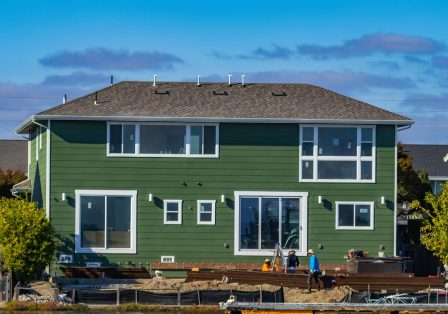
Quick Summary Fiber cement siding, commonly called Hardie board after the James Hardie brand, is the strongest performer for New Orleans homes because it resists hurricane-force winds above 150 mp...
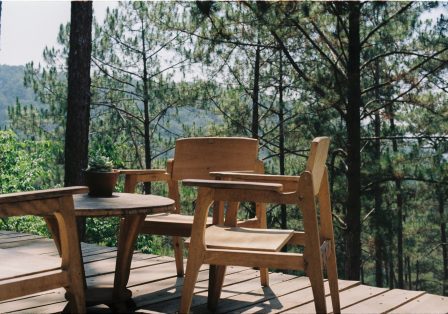
What You Need to Know Composite decking outlasts pressure-treated wood by 15 to 35 years in New Orleans’ hot-humid subtropical climate, and it does so without the annual sealing, staining, o...
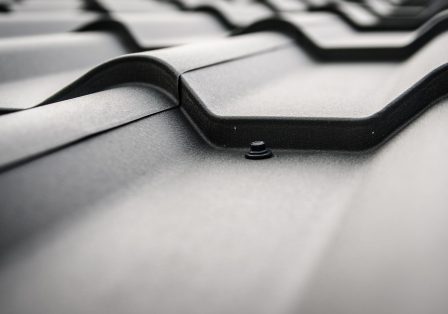
Quick Summary In Greater New Orleans, Louisiana, homeowners choosing between asphalt shingles and standing seam metal roofing face real differences in wind resistance, upfront cost, and how each m...
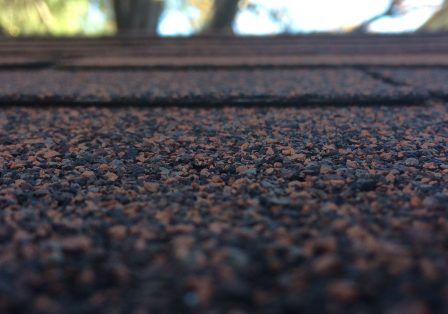
What You Need to Know A professional roof inspection in New Orleans costs $85 to $755, with most residential inspections running $270 to $388 for a standard visit covering shingles, flashing, deck...
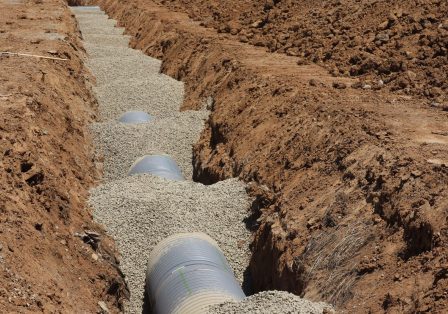
What You Need to Know French drain installation in New Orleans costs between $25 and $39 per linear foot, with most residential projects running $1,500 to $4,000 depending on yard size, depth, and...
 By BigEZRenovations
  0 Comment
  Sep 29, 2026
  By
BigEZRenovations
By
BigEZRenovations  0 Comments